Pushkar Brahma Temple: Why It is Famous Around the World
By Jitendra Singh 12 Jun 2026 7 min read
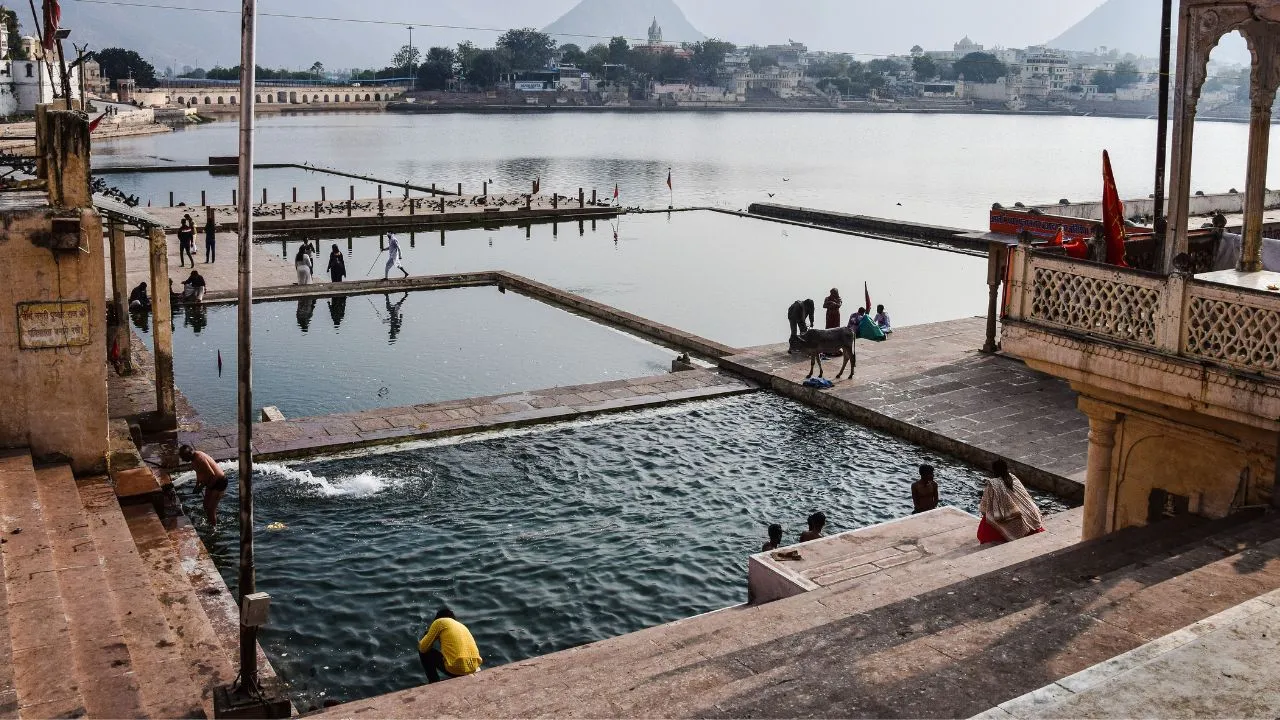
If you’ve ever scrolled through travel photos of India, you’ve probably seen it: vibrant crowds, camels adorned with colorful beads against a desert sunset, and a serene lake surrounded by white buildings. That magical place is Pushkar, a small, ancient town on the edge of the Thar Desert in Rajasthan.
While it looks like a scene straight out of a storybook, Pushkar holds a massive spiritual secret. It is home to the Jagatpita Brahma Temple, one of the very few temples in the entire world dedicated to Lord Brahma, the Hindu creator god.
For international travelers planning their dream trip to India, this town is an absolute must-see. Let's dive into why this specific temple is famous across the globe and why it should be at the top of your travel itinerary.
The Mystery of the Missing Temples: Who is Lord Brahma?
To understand why this temple is such a big deal, we need to look at Hindu mythology. In Hinduism, there is a holy trinity of main gods:
- Brahma (the Creator)
- Vishnu (the Preserver)
- Shiva (the Destroyer)
If you travel anywhere else in India, you will see thousands of magnificent temples dedicated to Lord Shiva and Lord Vishnu. But temples for Lord Brahma? They are incredibly rare.
The Famous Cosmic Curse
According to ancient legends, Lord Brahma wanted to perform a sacred ritual, a yajna, on earth to bless the land. To do this, he needed his wife, Goddess Savitri, by his side. However, she was running late, and the auspicious cosmic timing was slipping away.
In a hurry, Brahma married a local milkmaid named Gayatri so he could complete the ritual on time. When Savitri finally arrived and saw another woman sitting in her place, she was absolutely furious. In her anger, she cursed Brahma, declaring that he would never be worshipped anywhere on earth—except in Pushkar.
Later, she softened the curse a little bit, allowing his worship only here. That is why, for centuries, Pushkar has remained the ultimate global epicenter for honoring the Creator of the universe.
What Makes the Pushkar Brahma Temple So Special?
The temple you see today dates back to the 14th century, though it’s believed the original sacred site is over 2,000 years old. When you walk up the stone steps, the first thing that catches your eye is its bright red spire (shikhara) and a distinct motif of a hamsa (a mythical swan or goose, which is Brahma’s vehicle).
Inside, the architecture is a beautiful mix of marble and stone slabs. The floors are a black-and-white checkered marble pattern, and if you look closely, you will see hundreds of silver coins embedded into the floor and walls. These coins were placed there by devotees from all over the world as offerings, often engraved with the names of their loved ones.
In the center of the temple sits the four-headed idol of Lord Brahma. The atmosphere inside is intensely spiritual but surprisingly peaceful compared to the bustling markets right outside the gates.
The Sacred Lake and the 52 Ghats
You cannot talk about the Brahma Temple without talking about Pushkar Lake. They are spiritually connected.
Legend says that the lake was formed when Lord Brahma dropped a lotus flower from the heavens to kill a demon. Wherever the petals fell, water gushed out, creating the holy lake.
The lake is surrounded by 52 bathing ghats (stone steps leading down to the water). Devotees believe that a dip in these holy waters cleanses the soul of lifetimes of bad karma. As a traveler, sitting on the steps during sunset, listening to the evening chants (aarti), and watching oil lamps float on the water is a deeply emotional and unforgettable experience.
How to Fit Pushkar into Your India Travel Plans
Many travelers from the US wonder how to squeeze a hidden desert gem like Pushkar into their vacation. The good news is that it is incredibly accessible. Pushkar is located just about three hours away from Jaipur, the famous "Pink City."
If you are looking at rajasthan vacation packages, you will find that Pushkar is the perfect contrast to the big cities. While Jaipur and Jodhpur offer grand forts and massive palaces, Pushkar offers soul, spirituality, and a relaxed, bohemian vibe.
For first-time visitors to India, the absolute best way to see the country is by booking a Best Golden Triangle Tour, which typically covers Delhi, Agra (the Taj Mahal), and Jaipur. The great thing about this route is that you can easily extend it by a couple of days to include Pushkar. By choosing the best rajasthan tour packages, you can seamlessly transition from the architectural wonders of the kings to the mystical, ancient energy of the desert priests.
The Best Time to Visit: The World-Famous Pushkar Fair
While Pushkar is beautiful year-round, visiting in the fall turns the trip into an absolute bucket-list experience. Every year in October or November, the town hosts the Pushkar Camel Fair.
During this week-long festival, tens of thousands of camels, horses, and cattle gather in the desert dunes. Local nomads trade livestock, while the town explodes into a carnival of colors, Ferris wheels, folk dances, gypsy music, and even mustache competitions! It all culminates on the full moon night, when pilgrims head to the Brahma Temple and take a holy dip in the lake.
Pro Tip: It is highly recommended to book your hotels and tours months in advance if you plan to visit during the Camel Fair, as people fly in from all corners of the globe to witness it.
Conclusion
The Pushkar Brahma Temple isn't just famous because it's a rare architectural piece; it is famous because it holds the living history, myths, and heartbeat of Rajasthan. It is a place where time seems to slow down, where hippie culture meets ancient Vedic rituals, and where you can sit by a holy lake and watch the world go by.
Whether you are looking for a spiritual awakening or just want to see a unique side of India that feels completely untouched by modern skyscrapers, Pushkar is waiting for you.
Frequently Asked Questions (FAQs)
1. Is photography allowed inside the Brahma Temple?
To maintain the sanctity and privacy of the worshippers, photography and videography are strictly prohibited inside the main temple complex. You will need to leave your camera and smartphone in secure lockers outside the temple before entering.
2. Can foreign tourists visit the Brahma Temple and the lake?
Yes, absolutely! Pushkar is incredibly welcoming to international tourists. In fact, because it has been a favorite spot for global backpackers for decades, you will find plenty of English signage, western-friendly cafes, and locals who speak excellent English.
3. What is the dress code for visiting the temple and the holy lake?
Since these are highly sacred religious sites, you should dress modestly. Both men and women should cover their shoulders and knees. Avoid wearing shorts, sleeveless tops, or revealing clothing. Also, remember that you must remove your shoes before entering the temple or stepping onto the holy lake ghats.
4. How many days do I need in Pushkar?
A 2-day, 1-night stay is usually perfect for most travelers. This gives you enough time to visit the Brahma Temple, explore the local markets, take a sunset camel safari in the dunes, and experience the evening aarti by the lake without feeling rushed.
Jitendra Singh - Maharaja Trails
Maharaja Trails travel experts share authentic travel guides, itineraries and insider tips for exploring India including Delhi, Agra, Jaipur and the Golden Triangle. Our goal is to help travellers experience India's culture, history and heritage in the best possible way.
0 Comments
Leave a Reply
Your email address will not be published. Required fields are marked *