Best Places to Visit in Leh Ladakh: 2026 Travel Guide
By Jitendra Singh 22 Jun 2026 9 min read
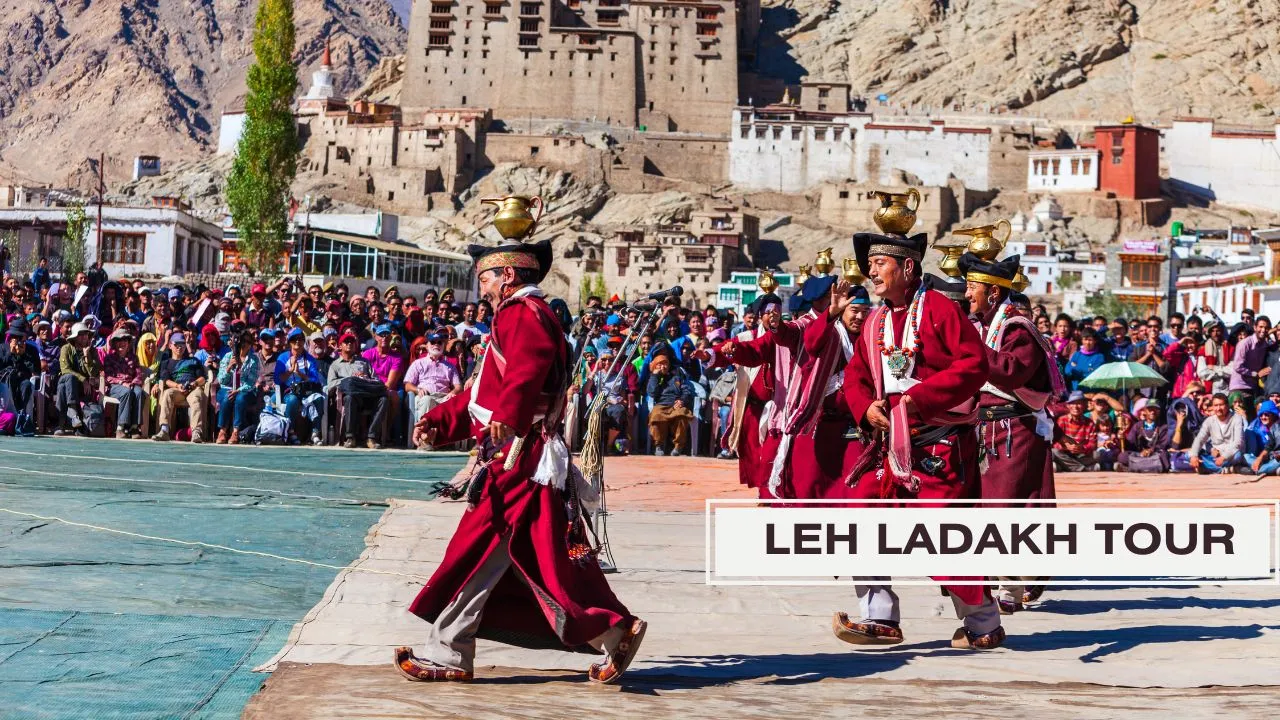
If you've ever dreamed of a landscape so raw and dramatic it almost doesn't feel real — welcome to Leh Ladakh. Perched high in the Indian Himalayas, this region is everything a traveler hungry for real adventure could ever want. Turquoise lakes that look photoshopped, ancient monasteries sitting on clifftops, and roads that twist through some of the highest mountain passes on earth. If you're an American traveler planning your next big trip, Leh Ladakh deserves a serious spot on your bucket list.
Let me walk you through everything you need to know before you go — the best places, how to get there, and what kind of tour packages actually make sense for first-timers.
Why Leh Ladakh Should Be on Every Traveler's Radar in 2026
Honestly, there's no place quite like it. The air is thinner (you're often above 11,000 feet), the skies are impossibly blue, and the culture is a fascinating blend of Tibetan Buddhism and Central Asian influence. Most tourists from the US who visit India skip this region entirely. That's a mistake.
Ladakh received tourism infrastructure upgrades going into 2025 and 2026, making it more accessible without losing that wild, untamed feeling. But here's the thing — you still need to plan smart. The best window to visit is between May and September, when the mountain roads are open and the weather is manageable.
Top 10 Places to Visit in Leh Ladakh
Here are the must-see spots. Whether you're booking Leh Ladakh tour packages independently or going with an agency, make sure your itinerary covers most of these.
1. Pangong Tso Lake
This is the one. Pangong Lake stretches about 134 km, cutting across both India and China, and the color of the water changes from blue to green to violet depending on the time of day. It sits at around 14,000 feet, and the drive there is an adventure in itself. If you've seen the Bollywood film 3 Idiots, you've seen this lake — though no movie does it real justice.
Stay overnight in one of the lakeside camps. Watching the stars reflect off the still water at midnight is something you won't forget.
2. Nubra Valley
Take the world's highest motorable pass — Khardung La — and descend into this surreal valley where sand dunes sit surrounded by snowcapped peaks. Yes, actual sand dunes. You can ride a double-humped Bactrian camel here, which feels completely absurd and magical at the same time.
The valley also has the Diskit Monastery, home to a massive Maitreya Buddha statue that watches over the valley from a hilltop.
3. Leh City
Your base of operations and a destination in its own right. The Leh Palace, built in the 17th century, towers over the city like a miniature Potala Palace. Wander through the old bazaar, grab some butter tea, and get your bearings before heading out to the more remote spots.
The city sits at around 11,500 feet, so give yourself at least a day or two to acclimatize before doing anything strenuous.
4. Magnetic Hill
About 30 km from Leh on the Leh-Kargil highway, there's a stretch of road where your car appears to roll uphill on its own. It's an optical illusion caused by the surrounding landscape, but it's genuinely disorienting and fun. A quick stop, but worth it.
5. Hemis Monasterya
The wealthiest and largest monastery in Ladakh. Hemis is a living, breathing religious center — monks go about their daily routines while visitors wander through the thangka paintings and golden statues. If you're lucky enough to visit during the Hemis Festival (usually June/July), you'll see masked dances that are centuries old.
6. Tso Moriri Lake
Less crowded than Pangong, equally stunning. Tso Moriri is a high-altitude lake in the Changthang plateau, sitting at over 15,000 feet. The shores are home to migratory birds and wild kiang (Tibetan wild asses). The silence here is absolute — in the best possible way.
7. Khardung La Pass
At nearly 17,500 feet, Khardung La is one of the highest motorable passes in the world. Most Leh Ladakh tour packages include a stop here, and for good reason. Even if altitude makes you breathless, standing at the top — with prayer flags whipping in the wind and snow-covered ridges stretching in every direction — is a moment that hits hard.
8. Zanskar Valley
For the adventurous traveler, Zanskar is a remote, rugged valley accessible only through narrow gorges. The most epic way to explore it is the Chadar Trek, a winter walk on the frozen Zanskar River. That said, the valley is equally beautiful in summer, with emerald rivers and untouched villages.
9. Alchi Monastery
Dating back to the 10th century, Alchi is the oldest monastery in Ladakh and arguably the most artistically significant. The woodwork, frescoes, and statues inside are in a completely different style from other Ladakhi monasteries — reflecting ancient Kashmiri and Tibetan artistic traditions. This is a place for slow, attentive visits.
10. Lamayuru Monastery
Known as the "moonland" of Ladakh, the landscape around Lamayuru is otherworldly — eroded mud formations that look like the surface of another planet. The monastery perched above is one of the oldest in the region and gives you one of the most iconic photo opportunities in all of Ladakh.
Getting There: Leh Ladakh Tour Package from Manali
One of the most popular and scenic ways to reach Ladakh as a traveler is via the Leh Ladakh tour package from Manali. The Manali-Leh highway is legendary — a two-day drive across mountain passes, glacial rivers, and high-altitude deserts that's an experience all on its own.
Most packages from Manali include:
- Private vehicle with an experienced driver
- Stops at key viewpoints like Rohtang Pass, Baralacha La, and Tanglang La
- Night stay in Jispa or Sarchu (the midpoint camps)
- Arrival in Leh on Day 2
The road is typically open from late May through October. If you're flying in from the US, you'll usually land in Delhi first, then connect to Manali or directly to Leh (yes, Leh has an airport — Kushok Bakula Rimpochee Airport).
Choosing the Right Leh Ladakh Tour Packages
If you're coming from the US, self-driving or backpacking Ladakh is doable but takes serious research. Most first-timers are better off booking leh ladakh tour packages that include:
- Airport pickup and drop-off in Leh
- Inner Line Permits (required for places like Pangong, Nubra, and Tso Moriri — your operator handles this)
- Acclimatization day in Leh (non-negotiable — altitude sickness is real)
- Experienced local guide who knows road conditions and alternate routes
- Accommodation options ranging from guesthouses to glamping tents near the lakes
Tour lengths typically range from 7 to 14 days. A 10-day package covering Leh, Nubra Valley, Pangong Lake, and Tso Moriri is the sweet spot for most travelers.
Budget tip: The best value packages run between $800–$1,500 USD for 7–10 days (all-inclusive), depending on the comfort level you choose.
Practical Tips for American Travelers
- Visa: India requires a tourist visa. Apply online through the Indian e-Visa portal at least 2 weeks before travel.
- Altitude: Leh sits at 11,500 feet. Don't fly in from sea level and immediately start hiking. Rest for 48 hours first.
- Cash: Carry enough Indian rupees. Many remote areas have no ATMs and cash is king.
- Connectivity: Mobile data is hit or miss. Download offline maps before heading out of Leh city.
- Best months for US visitors: June through early September for most places. May and October are shoulder seasons — fewer crowds, slightly unpredictable weather.
Conclusion
Leh Ladakh is the kind of place that changes how you think about travel. It's not a destination you check off a list — it's one that stays with you. The landscapes are unlike anything most Americans have ever seen, the culture is deeply fascinating, and the sense of remoteness is thrilling.
Whether you take the epic leh ladakh tour package from Manali, fly directly into Leh, or customize your own route through the top 10 places to visit in Leh Ladakh, one thing is guaranteed: you'll leave wishing you had stayed longer.
Start planning now. The mountains are waiting.
Frequently Asked Questions (FAQs)
Q1. Is Leh Ladakh safe for American tourists?
Yes, Ladakh is generally very safe for international tourists. It's a peaceful region, and locals are warm and welcoming. Just be aware of altitude-related health risks, and travel with a reputable tour operator.
Q2. Do I need a special permit to visit Leh Ladakh?
Foreign nationals need an Inner Line Permit (ILP) to visit certain restricted areas like Pangong Lake, Nubra Valley, and Tso Moriri. Your tour operator will typically arrange these for you. They're not expensive — usually a few hundred rupees per area.
Q3. What is the best time of year to visit Leh Ladakh from the USA?
June through August is the most popular window — roads are open, weather is pleasant, and all the key destinations are accessible. September is also excellent with fewer crowds. Avoid the monsoon-heavy months, though Ladakh gets far less rain than the rest of India thanks to the rain shadow effect.
Q4. How do I get from Delhi to Leh?
The easiest option is a direct flight from Delhi to Leh (about 1 hour, operated by IndiGo, Air India, and SpiceJet). Alternatively, you can take the scenic overland route via Manali, which is part of many leh ladakh tour packages and takes 2 days by road.
Q5. How much does a Leh Ladakh trip cost for an American traveler?
Flights from the US to India typically run $700–$1,200 round-trip depending on your departure city and timing. Once in India, a full 10-day Leh Ladakh tour package (including accommodation, transport, permits, and guide) usually costs between $900–$1,800 depending on comfort level. Budget roughly $2,000–$3,000 total for a well-planned trip.
Jitendra Singh - Maharaja Trails
Maharaja Trails travel experts share authentic travel guides, itineraries and insider tips for exploring India including Delhi, Agra, Jaipur and the Golden Triangle. Our goal is to help travellers experience India's culture, history and heritage in the best possible way.
0 Comments
Leave a Reply
Your email address will not be published. Required fields are marked *