Have you ever visited a place where the air itself feels heavy with devotion? Where thousands of people stand in line, not with frustration, but with a quiet, burning hope in their eyes?
Welcome to Salasar Balaji.
Tucked away in the Churu district of Rajasthan, this isn't just another temple on a map. For millions of devotees, it’s a powerhouse of miracles. If you’re traveling from abroad and want to experience the authentic, spiritual "vibe" of rural India—beyond the usual five-star hotels and crowded monuments—this is your destination.
In this guide, we’re going to walk through everything: how to get there, the best time to see the "beard and mustache" Hanuman, where to eat the best local food, and how to fit this into your broader India trip.
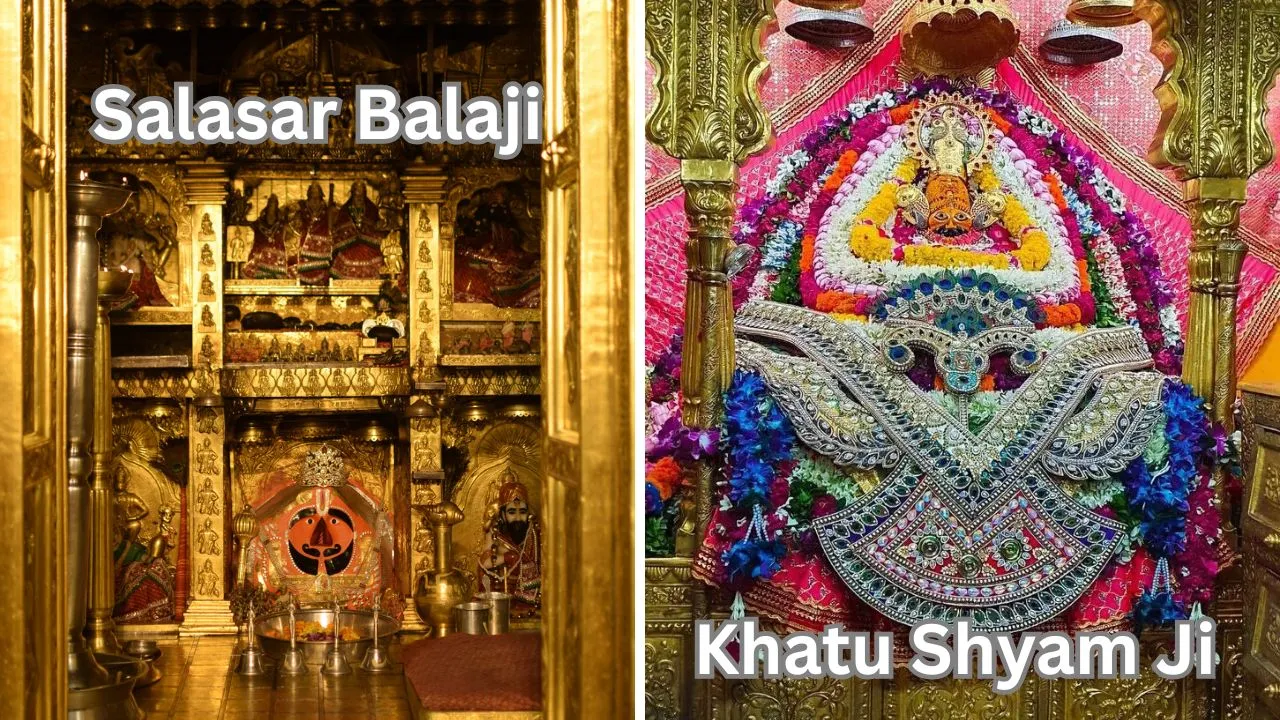
Most Hanuman temples across India show the deity as a warrior or a humble devotee. But in Salasar, the idol is strikingly different. Lord Hanuman is depicted here with a beard and a mustache.
The story is fascinating. Local legend says that back in the 1700s, a farmer was plowing his field in a nearby village when his plow hit something hard. He unearthed a stone idol covered in vermilion. At the same time, a devotee named Mohandas Ji had a vision of this exact form of Hanuman. He brought the idol to Salasar, and the rest is history.
For an international traveler, the energy here is the real draw. It’s raw, it’s loud, and it’s deeply moving. You’ll see people performing "Prostration" (lying flat on the ground) for kilometers as a mark of respect. It’s a level of dedication that is hard to describe until you see it for yourself.
Salasar is located in a somewhat remote part of Rajasthan, which actually adds to its charm. You get to see the real, rustic side of the state.
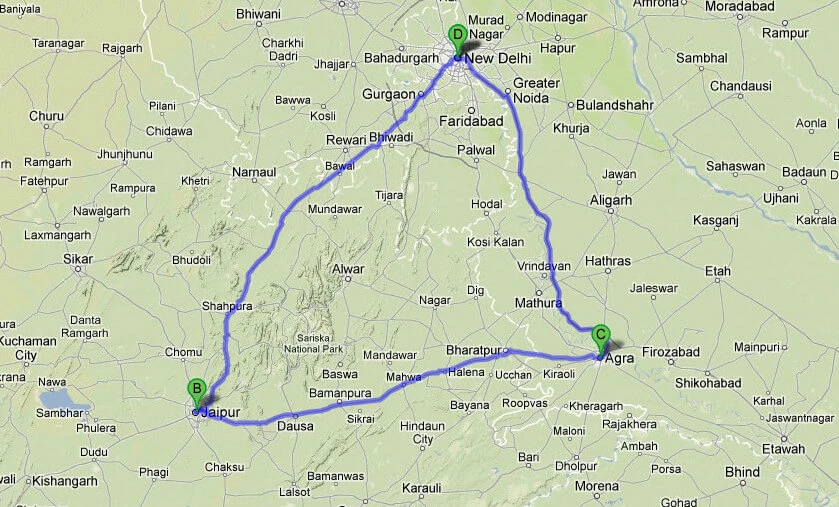
Most international tourists land in Jaipur. From the Pink City, Salasar is about 170 km (105 miles).
If you’re starting in the capital, it’s a longer haul—about 300 km (186 miles).
Rajasthan is famous for its heat, and the desert sun near Salasar can be intense.
October to March is the perfect window. The mornings are crisp and cool, and the afternoons are sunny but pleasant. You can walk the temple corridors without feeling like you're in an oven.
If you want to see the temple at its most vibrant (and most crowded), visit during Hanuman Jayanti (March/April). The village turns into a giant carnival. However, be prepared for 6-to-8-hour wait times in the queue. If you prefer peace over pageantry, avoid Tuesdays and Saturdays, which are the busiest days of the week.
The temple follows a strict but soul-stirring schedule:
Pro Tip: If you want a quick "Darshan" (viewing of the deity), try to reach the queue by 3:30 AM. There is something magical about walking through the village in the dark, hearing the distant sound of temple bells starting to ring.
Don't expect a Marriott or a Hilton in Salasar. The stay options here are traditional and cozy.
If you’ve traveled all this way, don't just visit one temple. The area is part of a spiritual triangle.
Just a kilometer away is the temple dedicated to Hanuman’s mother. It’s much quieter than the main temple and has a beautiful, calming energy. Locals believe you should visit the mother before you visit the son.
About 100 km away is Khatu Shyam Ji. This is perhaps the most popular temple in Rajasthan right now. The story of "Shyam Baba" is legendary, and the temple architecture is stunning. Many people use their jaipur day tour package to cover both Salasar and Khatu Shyam in one long, fulfilling day.
If you need a break from temples, head to Tal Chhapar (about 40 km away). It’s a unique grassland where you can see the Blackbuck—an elegant Indian antelope. It’s a photographer's dream, especially at sunset.
You cannot leave Salasar without trying the local food. It’s strictly vegetarian but incredibly rich.
A journey to Salasar Balaji is a journey inward. Whether you are a believer or just a curious traveler, the sheer scale of faith here will leave you changed. It’s a place where the dust of the desert meets the golden glow of the sanctum.
If you’re staying in Jaipur, don’t overthink the logistics. Grab a jaipur day tour package, pack a camera, and get ready for a day of culture, color, and calm. You might just find that "Balaji" has a way of answering questions you didn't even know you were asking.
Q1: How much time is needed for the Darshan?
On a normal weekday, expect to spend 45–90 minutes in the queue. On weekends or festival days, this can easily jump to 4 or 5 hours.
Q2: Is the temple accessible for elderly travelers?
Yes! The temple trust has made great efforts to include ramps and resting areas. If you are traveling with someone who has mobility issues, ask the temple staff for the "Senior Citizen" or "Special Entry" gate.
Q3: Can I visit Salasar and Khatu Shyam Ji in one day?
Yes, it’s a very common itinerary. If you leave Jaipur by 5:00 AM, you can visit Salasar by 9:00 AM, head to Khatu Shyam Ji by 1:00 PM, and be back in Jaipur for a late dinner.
Q4: What is the best souvenir to buy?
The "Churma" (sweets) is a must-buy. You can also find beautiful hand-painted wooden idols of Hanuman and traditional Rajasthani textiles in the local market.
Q5: Is English widely spoken?
In the temple, mostly Hindi and Rajasthani are spoken. However, in hotels and with tour operators, you will find many people who speak basic to fluent English. Using a guide or a professional driver makes communication much easier.

Your email address will not be published. Required fields are marked *
Recent Post










0 Comments