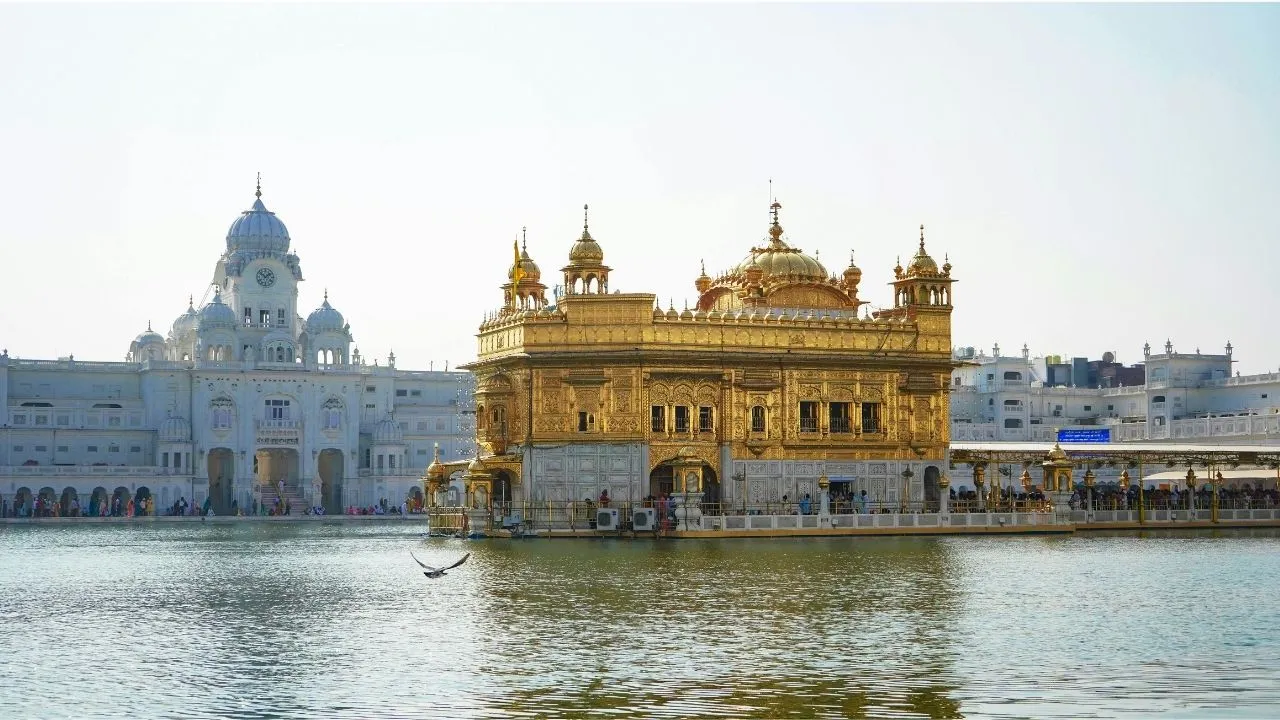
If there's one place in India that leaves visitors speechless, it's the Golden Temple in Amritsar. I still remember the first time I walked through its entrance gate and saw that shimmering golden structure reflected in the water around it. It's hard to describe in words, honestly. You just have to stand there and feel it.
This guide is for anyone planning a trip to the Golden Temple, whether you're coming from abroad or just curious about what makes this place so special. I'll walk you through the history, the best times to visit, what to expect, and a bunch of practical tips that I wish someone had told me before my first visit.
The Golden Temple, also known as Sri Harmandir Sahib, is the holiest shrine in Sikhism. It was built in the late 16th century by Guru Ram Das, the fourth Sikh Guru, and later completed by Guru Arjan Dev. What makes this temple so unique is that its foundation stone was laid by a Muslim saint, Mian Mir, which tells you a lot about the spirit of unity this place was built on.
The upper floors of the temple were later covered in gold by Maharaja Ranjit Singh in the early 1800s, and that's where the name "Golden Temple" comes from. But locals and devotees usually just call it Darbar Sahib or Harmandir Sahib.
What really struck me was learning that the temple has four entrances, one on each side. This was intentional, meant to symbolize that people from all four directions, all religions, and all walks of life are welcome here. And they truly are. You'll see people of every background sitting together, eating together, and praying side by side.
Amritsar can get brutally hot in the summer months, especially between May and July, so I wouldn't recommend visiting then unless you don't mind sweating buckets. The best time to go is between October and March, when the weather is pleasant and you can actually enjoy walking around without melting.
Winter mornings can be a bit foggy and cold, so carry a light jacket if you're visiting early. December and January nights get quite chilly too.
If you can, try to time your visit around Baisakhi (mid-April) or Guru Nanak Jayanti (usually in November). These are major Sikh festivals, and the temple is decorated beautifully during this time. Just know that it'll be more crowded than usual.
Here's something people often get wrong: the Golden Temple doesn't really "close." It's open 24 hours a day, all through the year. But there are specific rituals and timings you should know about if you want the full experience.
If you want to witness either of these ceremonies, it's best to check the exact timing at the information center once you arrive, since it shifts slightly with the seasons.
Walking around the parikrama, which is the marble walkway surrounding the sacred pool (called the Amrit Sarovar), is an experience in itself. People take a dip in the holy water, sit quietly, or just watch the temple glow at different times of the day. Sunrise and sunset are especially magical, when the light hits the gold dome just right.
The Langar hall is something you absolutely cannot skip. This is the community kitchen where thousands of people are fed free meals every single day, regardless of religion, caste, or background. Volunteers cook, serve, and clean, and honestly, sitting on the floor eating simple dal and roti with strangers from all over the world is one of the most humbling experiences you'll have in India.
A few things to keep in mind before you go:
None of these rules are strict or intimidating. The volunteers are friendly and will politely guide you if you're unsure about something.
Amritsar has its own airport, Sri Guru Ram Dass Jee International Airport, which connects to major Indian cities and a few international destinations too. If you're flying in from abroad, you might land in Delhi first and then take a short domestic flight or a train to Amritsar.
The train journey from Delhi to Amritsar takes around six hours, and it's actually a pretty comfortable ride if you book a decent class. Buses are available too, though they take longer.
Once you're in the city, the temple is easy to reach by auto-rickshaw or cab from anywhere in Amritsar.
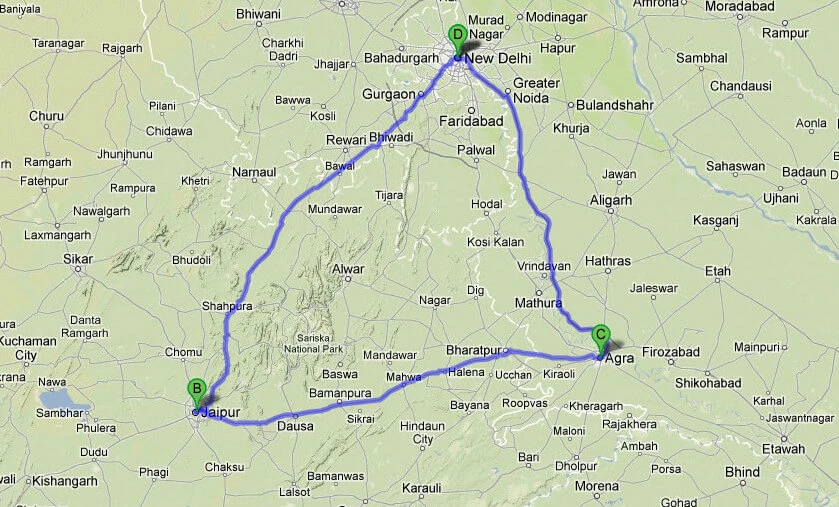
Here's something I'd genuinely recommend if you're traveling from another country and don't want to just see one city. A lot of international travelers combine their visit with a Golden Triangle Tour With Golden Temple, which basically means covering Delhi, Agra, and Jaipur along with Amritsar. It's a fantastic way to experience India's history, culture, and spirituality all in one trip.
You get to see the Taj Mahal in Agra, the forts and palaces of Jaipur, the bustling streets of Delhi, and then end it all with the peaceful, spiritual vibe of the Golden Temple. Most tour operators can customize this itinerary based on how many days you have, so it's worth looking into if this is your first time in India.
There are options for every budget here. The Sikh temple management itself runs free or very low-cost accommodations for pilgrims (called Sarais), and honestly, they're clean and well-maintained. If you prefer more comfort, there are plenty of hotels within walking distance of the temple, ranging from budget guesthouses to premium properties with rooftop views of the golden dome.
I'd suggest booking something close to the temple if you want to catch the early morning or late-night ceremonies without needing transport.
The Golden Temple isn't just a tourist spot, it's a feeling you carry with you long after you've left. Whether you're there for the history, the architecture, the spirituality, or simply the sense of community that radiates through the Langar hall, it leaves a mark. If you're planning a longer trip, pairing it with a Golden Triangle Tour With Golden Temple gives you the best of both worlds: India's royal history and its spiritual heart, all in one journey. Just go with an open mind, and let the place do the rest.
Yes, the temple complex is open all day and night. However, specific rituals like the opening and closing of the holy scripture happen at fixed times that vary slightly with the season.
No, entry to the Golden Temple is completely free for everyone, regardless of nationality or religion.
Absolutely. People from all religions and countries are welcome. You just need to follow the basic dress code and etiquette.
One full day is enough to see the temple and nearby attractions like Jallianwala Bagh and the Wagah Border, but staying two days lets you experience the morning and evening ceremonies without rushing.
Yes, Amritsar is generally very safe and welcoming for foreign visitors. The temple staff and locals are used to tourists and are usually happy to help if you have questions.

Your email address will not be published. Required fields are marked *
Recent Post











0 Comments