
Planning a trip through Delhi, Agra, and Jaipur sounds exciting until you actually start googling fort timings and entry fees. Suddenly you're staring at ten different blogs, all quoting slightly different numbers, and you're not sure which one to trust. I've been there myself, helping friends plan this exact route more times than I can count, and I know how confusing it gets when the information online is outdated or just plain wrong.
This guide is my attempt to cut through that noise. I'll walk you through the real timings and fees for the big monuments in each city, share when you should actually go to avoid the worst crowds and heat, and toss in a few tips I've picked up along the way. Just keep in mind that entry fees do get revised now and then by the Archaeological Survey of India and local tourism boards, so it's always smart to confirm the latest numbers right before you travel.
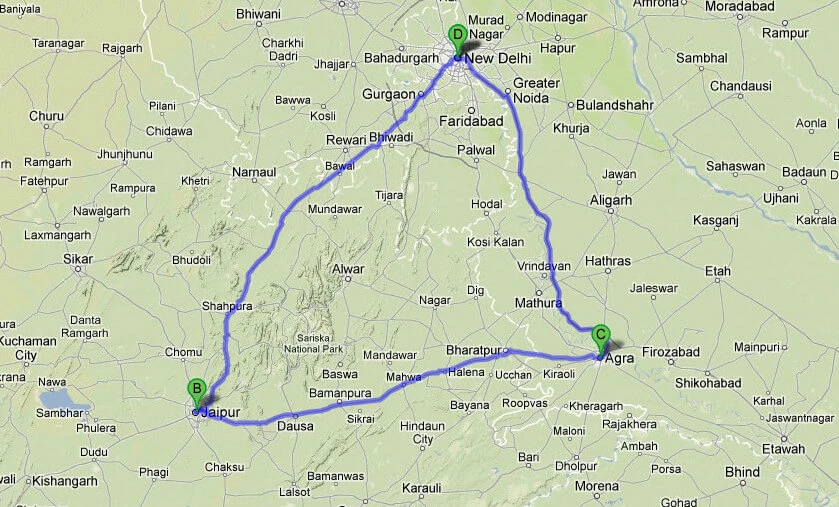
Delhi, Agra, and Jaipur together make up what's famously called the Golden Triangle, and honestly, the name fits. Delhi gives you a mix of Mughal grandeur and modern chaos, Agra hands you the Taj Mahal along with some seriously underrated forts, and Jaipur rounds things off with pink sandstone palaces and hilltop forts that feel straight out of a storybook. A lot of travellers choose a Golden Triangle Tour 5 Days package because five days is just enough to see everything properly without feeling rushed at every stop.
If you'd rather have more flexibility and control over your schedule, a Golden Triangle Tour by Car and Driver is a popular choice too. You get a private vehicle, stop wherever you like along the way, and skip the hassle of public transport between three fairly spread-out cities. And for travellers who want a bit more comfort baked into the whole experience, a Luxury Golden Triangle Tour with boutique hotels and private guides can honestly make the trip feel like a completely different kind of holiday.
Most itineraries kick off in Delhi, so let's start there.
The Red Fort, or Lal Qila, is open from around 9:30 AM to 4:30 PM, and it stays closed every Monday. This one detail catches a lot of people off guard, especially those trying to pack Delhi sightseeing into a single busy day.
Indian visitors pay somewhere around ?35, while foreign tourists pay approximately ?550. Children under 15 don't pay anything at all. There's also a light-and-sound show most evenings from Tuesday to Sunday, and if your schedule allows it, it's a nice way to end the day.
Try to arrive right at opening time. The morning light on the red sandstone walls is lovely around 9:30 to 10 AM, and you'll dodge the bigger tour groups that show up later. Winter, from October through March, is far more pleasant here than the scorching summer months.
The Taj Mahal opens about thirty minutes before sunrise and shuts thirty minutes before sunset, but here's the big one to remember: it's completely closed every Friday. No exceptions, no workarounds. Plan your week around this, because plenty of travellers show up on a Friday and get turned away.
Foreign visitors pay somewhere in the range of ?1,100 to ?1,300, which works out to roughly 13 to 16 US dollars, while Indian citizens pay just ?50. If you want to actually step inside the marble mausoleum where Shah Jahan and Mumtaz Mahal are buried, that's an extra ?200 — and I'd say it's worth every rupee, since skipping it means missing the emotional core of the whole visit. Kids under 15 get in free no matter where they're from.
There's also night viewing available on select dates around the full moon each month, which is a completely different atmosphere if your trip happens to line up with it.
Right after the Taj, most people head over to Agra Fort, and honestly, it deserves more attention than it usually gets. It's open every day from sunrise to sunset, roughly 6 AM to 6 PM, though last entry is at 5 PM sharp. Don't cut it close here.
Foreign tourists pay around ?600 to ?650, Indians pay somewhere between ?40 and ?50 depending on the day, and again, under-15s enter free.
Sunrise, hands down. Getting to the Taj right when it opens means softer light, thinner crowds, and a much calmer experience overall. Weather-wise, October through March is your best window — Agra summers regularly hit 40°C or more, and standing on that white marble at midday in peak summer is genuinely rough.
Amber Fort, sometimes spelled Amer Fort, sits about 11 kilometers outside Jaipur on a hill overlooking Maota Lake, and it's easily one of the most photogenic stops on this whole trip. It's open daily from around 8 AM to 5:30 PM.
Entry fees are roughly ?100 for Indian visitors and about ?500 for foreign tourists. There's also an evening light-and-sound show, usually starting somewhere between 7 and 7:30 PM, walking you through the fort's history and the Kachwaha dynasty that built it.
Jaipur has plenty more to offer beyond Amber Fort. The City Palace, Hawa Mahal, and Jantar Mantar each charge their own separate entry fees, and Jaipur also offers composite tickets that bundle several monuments together over a couple of days, which can save both time and money if you're planning to see it all.
Aim to get to Amber Fort before 9:30 AM if you can. Elephant rides up the hill, if that interests you, only run in the morning anyway. The afternoon heat can make walking around the fort exhausting, so an early start really pays off. And once again, winter is the friendliest season here.
If you're already in Rajasthan, it's worth thinking about extending your trip with a Jaipur Ranthambore Tour Package. Ranthambore National Park is just a few hours from Jaipur, and it gives you a genuine chance to spot a wild tiger, along with old ruined forts scattered through the jungle. After days of monuments and palaces, a bit of wildlife and open forest makes for a really nice change of pace before heading back into city life.
If someone asked me straight up, I'd say October to March is the sweet spot for this entire route. Temperatures stay manageable across Delhi, Agra, and Jaipur, monument visits don't turn into an endurance test, and you get much clearer skies for photos. December and January can bring a bit of morning fog in Delhi and Agra, which sometimes delays flights or softens early Taj Mahal views, so build in a spare day if you're travelling during peak winter. As for April through June, I'd honestly avoid it unless you really don't mind extreme heat — daytime temperatures often cross 40°C and outdoor sightseeing becomes a real struggle.
Once you actually know the real timings and fees, planning the Golden Triangle stops feeling overwhelming. Delhi's Red Fort, Agra's Taj Mahal and Agra Fort, and Jaipur's Amber Fort all follow a fairly similar rhythm — arrive early, travel in the cooler months, and always double-check closure days before locking in your plans. Whether you go for a straightforward Golden Triangle Tour 5 Days, add on Ranthambore for some wildlife, or opt for something more relaxed like a private car and driver setup, a little prep beforehand makes the whole trip smoother and far more enjoyable.
The Taj Mahal is closed every Friday for prayers. It's open the rest of the week from around sunrise to sunset.
Yes, the Red Fort in Delhi is closed every Monday, so plan your Delhi sightseeing around that.
No. Children under 15 get free entry at the Taj Mahal, Agra Fort, and Red Fort, regardless of their nationality.
October to March works best. The weather is much cooler and easier to handle compared to the intense heat between April and June.
For most international travellers, yes. A Golden Triangle Tour by Car and Driver gives you flexibility, comfort, and saves a lot of time compared to figuring out trains and buses between three cities.

Your email address will not be published. Required fields are marked *
Recent Post











0 Comments