Manas National Park: Where Silence Is the Real Attraction
By Jitendra Singh 30 Sep 2026 11 min read
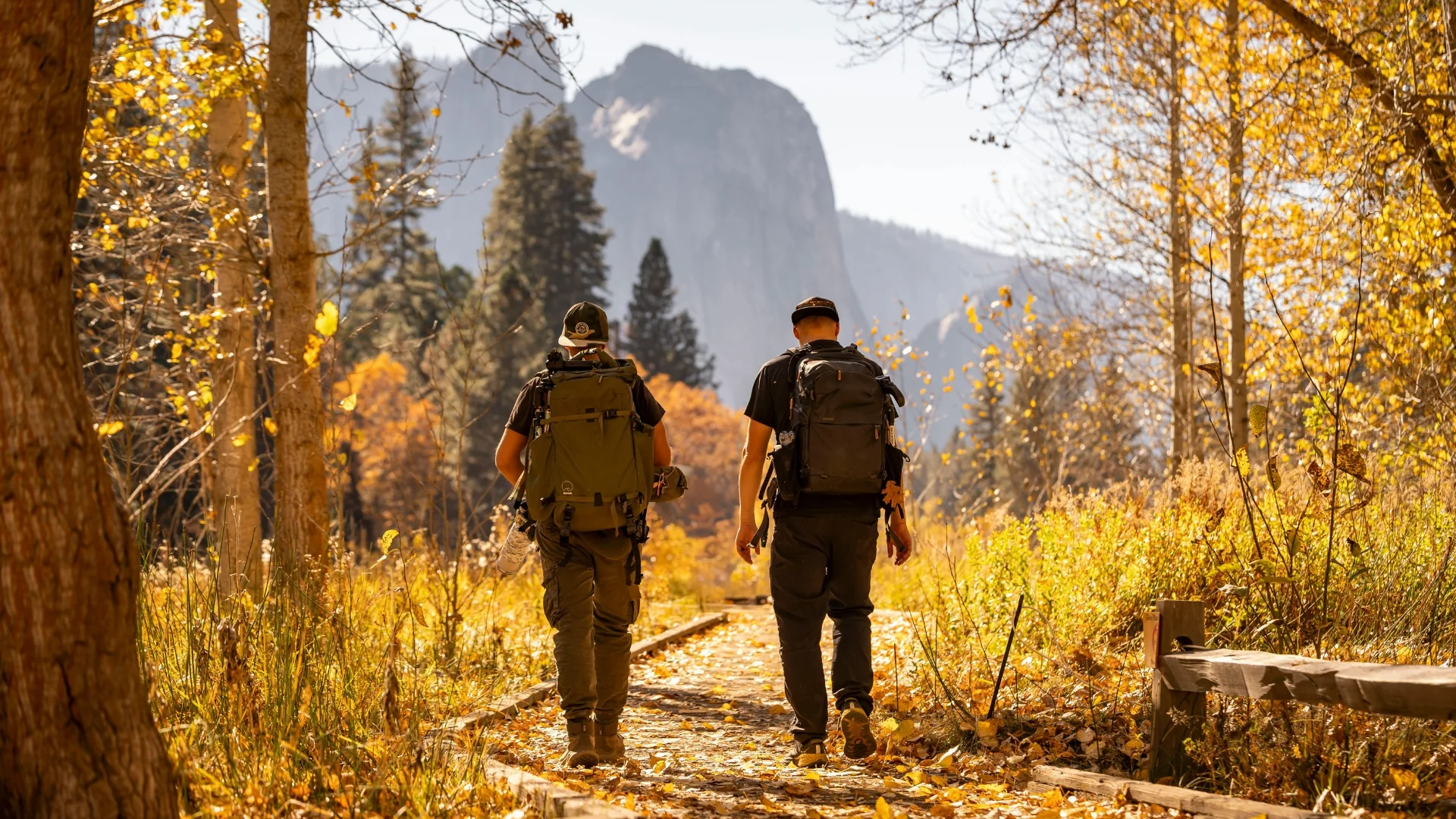
Most wildlife parks sell you a sighting. Manas sells you something harder to find: quiet.
Picture a morning where the only sounds are a hornbill overhead and a river running over stones, with hills going blue in the distance. No line of jeeps, nobody shouting at a tiger to turn around. That is Manas National Park on a good day, and it explains why people who visit once tend to come back.
Tucked into western Assam, right against the Bhutan border, this is one of India's least talked-about wild places, and one of its richest. Whether you are still deciding if Manas deserves a spot on your list or you already know it does and need a workable plan, this guide covers the landscape, the animals, the right season, the routes, the stays and the mistakes most first-timers make.
Manas at a Glance
|
Detail |
What you should know |
|
Location |
Western Assam, on the India-Bhutan border, at the foot of the eastern Himalayas |
|
Status |
UNESCO World Heritage Site, tiger reserve, elephant reserve and biosphere reserve |
|
Size |
Roughly 500 sq km of core national park inside a much larger reserve |
|
Famous for |
Tigers, elephants, golden langurs, rare grassland species and over 450 bird species |
|
Best months |
November to April |
|
Nearest airport |
Guwahati, around 140 km away |
|
Main activities |
Jeep safari, birdwatching, river rafting, village and culture experiences |
A Landscape Built by Water
The park is named after the Manas River, a strong tributary of the mighty Brahmaputra. Water decides everything here. The river splits into several channels, cuts across wide grasslands and then disappears into thick tropical forest. Past the plains, the ground lifts slowly into foothills that mark the start of Bhutan.
You get three habitats in one trip: open grassland, moist forest and hill slope. Each attracts different animals, so a single day can feel like visiting three separate parks. Mornings are the best part. Cool air, a light haze hanging low over the ground, and bird calls building before the sun clears the trees. Plenty of people arrive for tigers and leave talking about the mornings.
Why Manas Feels Different from Other Parks
In many famous reserves, the wildlife is spectacular but the experience is crowded. Manas flips that. Tourism here is still limited, the forest is deep, and human interference is low. Forest officials say this calm is exactly what helps birds and animals breed and settle. As a visitor, you feel the difference. Animals appear without warning, nobody rushes you, and long stretches pass with nothing but forest noise.
That is also the catch. Manas rewards patience, not schedules. If you want a checklist of five animals in two hours, this is not that park. If you want a place where nature still sets the pace, it is.
Wildlife You Can Realistically Expect
Here is what lives in Manas, along with an honest word on how likely you are to see each one:
- Royal Bengal tiger: Present and protected, but very elusive. Treat a sighting as a bonus, never a promise.
- Asian elephant: Herds are often seen near riverbanks and grassland edges, especially in the cooler months.
- Wild water buffalo: Manas is one of the few places where you can still see these massive animals in a natural setting.
- Golden langur: A rare primate with a glowing golden coat, best spotted high in the tree canopy.
- Pygmy hog: The smallest wild pig in the world and critically endangered. Reintroduction work has happened here, but seeing one is very unlikely.
- Leopard and sloth bear: Present, mostly shy, and more often heard or tracked than seen.
- Greater one-horned rhino: Brought back through a reintroduction programme after the park lost its rhinos during its difficult years.
Set your expectations right and Manas will beat them. Set them at "tiger or nothing" and you may miss the herd of elephants crossing a shallow channel in soft morning light.
A Real Haven for Birdwatchers
Serious birders treat Manas as a must-visit. More than 450 species have been recorded here, and the numbers rise in winter when migratory birds arrive. The grasslands are especially rewarding, with birds active from first light until the heat builds.
Look out for the great hornbill, the Bengal florican, and the swamp francolin, all of them hard to find elsewhere. Keep binoculars around your neck at all times, and ask your guide to slow down near water edges where activity is highest.
Manas vs Kaziranga vs Jim Corbett: Which One Suits You?
Travellers often ask how Manas stacks up against better-known parks. This comparison should help you decide quickly.
|
Factor |
Manas |
Kaziranga |
Jim Corbett |
|
State |
Assam |
Assam |
Uttarakhand |
|
Crowd level |
Low to moderate |
Moderate to high |
High in peak season |
|
Known for |
Diverse habitats, rare species, quiet forest |
One-horned rhinos |
Tiger tourism and easy access |
|
Landscape |
Grassland, forest and Himalayan foothills |
Tall grass and wetlands |
Hills, river valley and sal forest |
|
Special activity |
River rafting and Bhutan-side views |
Elephant-back and jeep safaris |
Multiple safari zones |
|
Best for |
Peace seekers, birders, photographers |
First-time rhino watchers |
Short trips from Delhi |
|
Wildlife certainty |
Lower, but rewarding |
Higher for rhinos |
Moderate for tigers |
Many travellers pair Manas with Kaziranga in one Assam circuit. The two complement each other well: one for crowds and rhinos, the other for silence and variety.
Best Time to Visit
The best time to visit Manas National Park is between November and April. The weather is pleasant, the forest is easy to move through, and animals are easier to spot. Here is how the year breaks down:
|
Months |
What to expect |
Our advice |
|
November to February |
Cool mornings, clear skies, migratory birds |
Ideal for birding and photography. Pack layers. |
|
March to April |
Warmer days, animals gather near water |
Good for elephants. Book early and start safaris at dawn. |
|
May to September |
Heavy rain, flooded tracks, limited access |
Generally avoid. The park is usually closed or restricted. |
|
October |
Transition period, greenery at its peak |
Check reopening dates before planning anything. |
How to Reach Manas
The nearest big city is Guwahati, about 140 km away. From there, road and rail both take you to the park gates. Here is the simplest route:
- Fly or take a train into Guwahati.
- Travel by road or rail towards Barpeta Road, the closest town to the main entrance. Expect roughly three to four hours by road depending on traffic.
- Continue to the Bansbari range for safari access, or head towards Mathanguri, the traditional gateway near the border.
- Carry valid photo ID and confirm current permit and entry rules before you travel.
A private cab from Guwahati gives you the most flexibility, especially if you want to reach the gate before sunrise.
Where to Stay
You have three broad choices, and the right one depends on how much comfort and local flavour you want.
- Forest rest house: Closest to nature and very atmospheric, but rooms are limited and need advance booking through the forest department.
- Eco-resorts: More comfort, cleaner facilities and organised meals. Good for families and first-timers.
- Homestays: Villages around the park offer homestays where you eat local food and learn how communities live alongside the forest. This is the best way to understand the region's culture.
Whichever you choose, book at least three to four weeks ahead for the November to February window. Good rooms disappear early.
Jeep Safari and River Rafting
The most popular way to explore is a jeep safari. Moving through grasslands and forest tracks feels natural and unhurried. Animals often step out with no warning, and the engine noise stays low because traffic is thin. Morning slots usually give the best light and activity.
For a completely different angle, try river rafting on the Manas. It is calm and scenic rather than a thrill ride, and you may spot animals and birds along the banks as you drift past. Availability depends on water levels and season, so confirm before you plan your day around it.
A Conservation Story Worth Knowing
Manas is not just a pretty place. It is a comeback story. The area became a tiger reserve under Project Tiger in 1973 and earned its World Heritage listing in 1985, which makes it a UNESCO World Heritage Site. Then came years of unrest in the region. Poaching rose, infrastructure was damaged, and the park was placed on the list of World Heritage sites in danger in 1992.
Recovery took strict protection, support from international bodies, and, most importantly, local people stepping up. Communities across the Bodoland region took part in patrolling and awareness work, and the park was taken off the danger list in 2011. Today it is widely counted among India's strongest conservation recoveries. When you buy a safari ticket or stay in a local homestay, your money helps keep that recovery going.
A Simple 3-Day Manas Itinerary
- Day 1: Drive from Guwahati, check in, and take a gentle evening walk around the village or lodge. Sleep early for the dawn start.
- Day 2: Early jeep safari through grassland and forest, a long lunch break, then an afternoon birdwatching session near water.
- Day 3: Optional river rafting or second safari, followed by the return drive with time for a village visit.
Add a fourth night if you want to include Kaziranga or a slower pace with more birding.
Mistakes First-Time Visitors Make
- Visiting during monsoon and finding the park closed.
- Booking only one night, which barely covers travel and one safari.
- Arriving with a "must see tiger" mindset and missing everything else.
- Wearing bright clothes or using strong perfume on safari.
- Leaving stay and safari bookings to the last minute in peak months.
Travel Responsibly
Manas stays special only because visitors behave. Keep noise low, never feed animals, carry your rubbish out, stay inside the vehicle unless your guide says otherwise, and follow every forest department rule. Choose local guides and locally run stays wherever you can. It keeps the benefits close to the people who protect this landscape.
Plan Your Manas Trip with Someone Who Has Done It Before
Manas is not a destination you can plan well from a random listing. Rules change, safari slots fill, road conditions shift after rain, and the right guide can change your whole experience. At Maharaja Trails, we build Manas trips around your dates, budget and interests, and we handle the parts that usually cause stress.
- Custom itinerary for couples, families, photographers or birders
- Safari, stay and transport coordination from Guwahati
- Guidance on seasons, permits and what to pack
- Local guide recommendations and homestay arrangements
Book a free 15-minute consultation on +91 9549442142 or write to jsingh@maharajatrails.com. Tell us your dates and we will tell you honestly whether Manas is right for you and how to get the most from it.
Frequently Asked Questions
What is the best time to visit Manas?
November to April is the ideal window. Winters are cool and comfortable, and animals and birds are easier to spot. Avoid the monsoon months, when access is limited.
Where is Manas National Park located?
It sits in western Assam along the India-Bhutan border, at the base of the eastern Himalayas. The park is reached most easily from Guwahati, which is around 140 km away.
Can I see a tiger in Manas?
Tigers live here, but they are elusive and sightings are never guaranteed. Focus on the full experience, including elephants, buffalo, langurs and birds, and treat a tiger as a bonus.
How many days do I need for Manas?
Two nights is the minimum for a proper visit. Three nights gives you multiple safaris and time for birding or rafting without rushing.
How do I reach Manas from Guwahati?
Take a cab or train towards Barpeta Road, then continue to the Bansbari or Mathanguri side. The journey usually takes a few hours, so start early.
Is Manas safe for families and solo travellers?
Yes, when you follow forest rules, travel with authorised guides and choose reputed stays. Children are welcome, but early safaris can be tiring for very young ones.
Where should I stay near Manas?
Options include forest rest houses, eco-resorts and village homestays. Rest houses are atmospheric but limited, resorts are comfortable, and homestays offer the deepest cultural experience.
Is river rafting available in Manas?
Rafting on the Manas River is offered as a calm, scenic activity, but it depends on water levels and season. Confirm availability before you finalise your plan.
What should I pack for a Manas trip?
Bring neutral-coloured clothing, layers for cool mornings, a hat, sunscreen, insect repellent, binoculars, a camera with a zoom lens and a power bank. Avoid bright colours and strong scents.
How far ahead should I book?
For November to February, plan three to four weeks ahead for stays and safaris. Last-minute trips are possible, but the best rooms and slots usually go first.
Final Thoughts
Manas will not perform for you. It will not line up animals for your camera or fill your day with noise. What it offers instead is space, patience and a forest that feels genuinely alive. If that appeals to you, start planning now, because the best seasons are short and the good stays are few.
Ready to go? Send us your travel dates and we will shape a Manas plan that fits you. Talk to our travel experts today.
Jitendra Singh - Maharaja Trails
Maharaja Trails travel experts share authentic travel guides, itineraries and insider tips for exploring India including Delhi, Agra, Jaipur and the Golden Triangle. Our goal is to help travellers experience India's culture, history and heritage in the best possible way.
0 Comments
Leave a Reply
Your email address will not be published. Required fields are marked *