Best Time to Visit the Golden Triangle: Month-by-Month Weather Guide
By Jitendra Singh 13 Nov 2026 13 min read
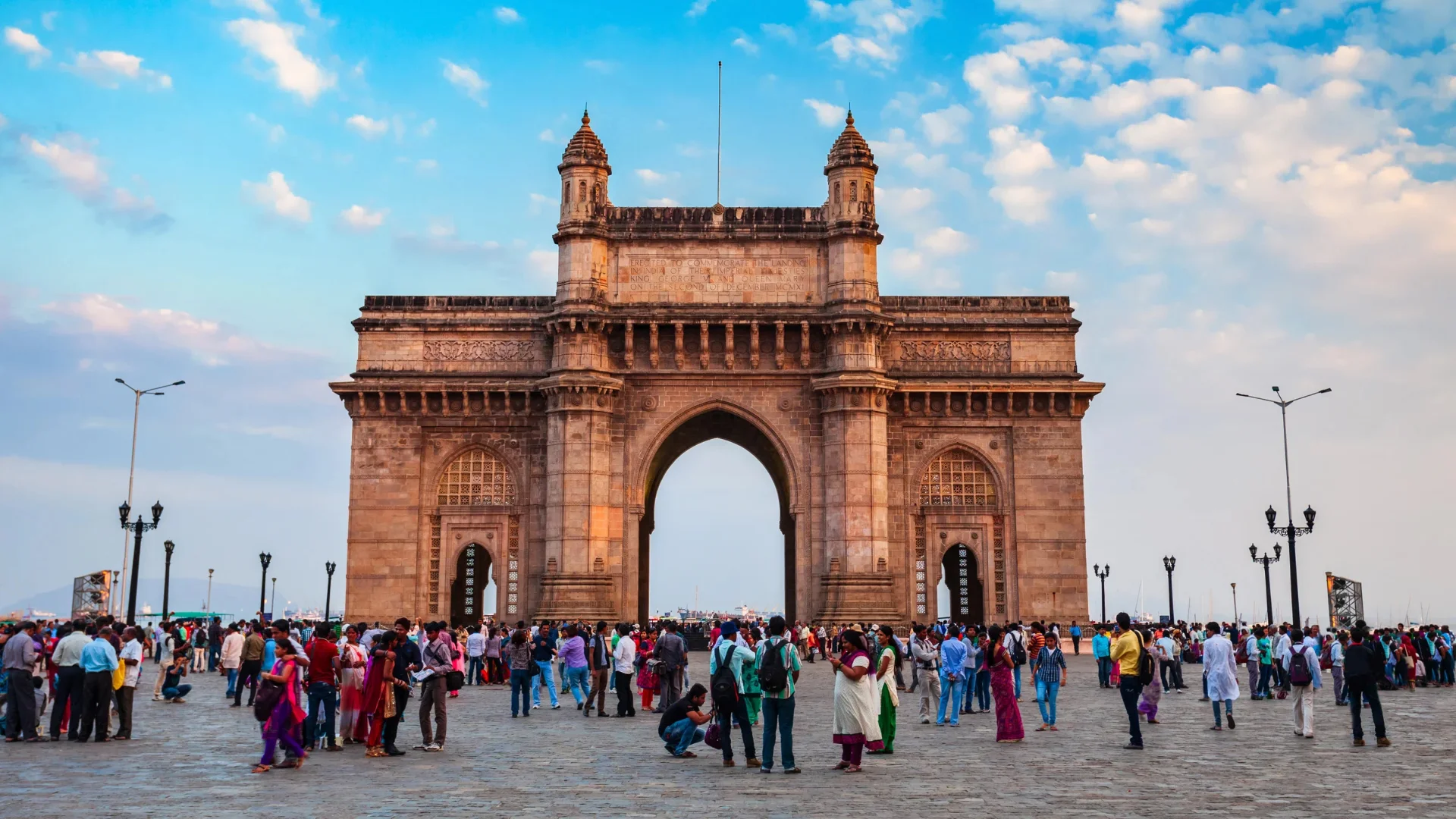
Ask ten people about the best time to visit the Golden Triangle and nine will say “October to March.” They are not wrong, but that answer hides a lot. December can bring fog thick enough to ground flights and turn the Taj Mahal into a gray outline. November can bring hazy air that stings your eyes in Delhi. April, officially the start of the hot months, can work better than expected if you start at dawn and your hotel has a pool.
The truth is that each month gives you a different trip, with different trade-offs in comfort, crowds, light and price. This guide walks through all twelve months across Delhi Agra Jaipur, explains what the weather actually feels like on the ground, and ends with a clear recommendation for your type of traveler. We organize private tours on this route from Jaipur, so the advice comes from planning and running these trips, not from a weather chart alone.
The Short Answer
- Best overall: mid-February to mid-March. Days are warm and clear, nights are cool, and the winter crowds are thinning.
- Second best: mid-October to early November. Skies are bright and the heat has broken, though air quality in Delhi begins to slip.
- Coldest and busiest: December and January. Expect crisp days, chilly mornings, fog risk and the highest prices of the year.
- Cheapest: April to September. You get empty monuments and discounted rooms, but you pay in heat or humidity.
How the Climate Works Across the Three Cities
The three cities sit within about 125 to 170 miles of each other, so they share the same broad pattern. Drive times on our standard route are roughly 3 to 4 hours from Delhi to Agra, 4 to 5 hours from Agra to Jaipur, and 5 to 6 hours back to Delhi. The year splits into four moods:
- Winter (November to February): dry, sunny and cool, with cold nights and morning fog.
- Summer (March to June): temperatures climb fast and peak in May, with hot, dry winds and dust.
- Monsoon (July to September): humid, with heavy but usually short bursts of rain.
- Post-monsoon (October): warm afternoons, clearer skies and a short window of near-perfect weather.
There are small differences between cities. Jaipur is semi-arid and a little drier. Agra tends to run hottest before the rains and gets dusty. Delhi has the heaviest traffic and the most noticeable air-quality swings. None of this changes the big picture, but it helps you pack and plan.
Month-by-Month Weather at a Glance
The table shows rounded long-term averages for the three cities combined. Real conditions vary year to year, so treat the numbers as a guide, not a forecast.
|
Month |
Typical high / low |
Rain |
Crowds and prices |
Verdict |
|
January |
72°F (22°C) / 46°F (8°C) |
Very low |
Peak |
Cool days, foggy mornings |
|
February |
77°F (25°C) / 50°F (10°C) |
Very low |
High, easing |
Excellent |
|
March |
90°F (32°C) / 61°F (16°C) |
Very low |
Moderate |
Very good, warm by month-end |
|
April |
100°F (38°C) / 72°F (22°C) |
Very low |
Low |
Hot, workable with early starts |
|
May |
106°F (41°C) / 79°F (26°C) |
Low, dust storms |
Lowest |
Hardest month |
|
June |
104°F (40°C) / 82°F (28°C) |
About 2 in |
Low |
Very hot and sticky |
|
July |
93°F (34°C) / 81°F (27°C) |
About 8 in |
Low |
Humid and green |
|
August |
91°F (33°C) / 79°F (26°C) |
About 8–9 in |
Low |
Wettest month |
|
September |
93°F (34°C) / 75°F (24°C) |
About 3–5 in |
Low, rising |
Humid, improving |
|
October |
93°F (34°C) / 66°F (19°C) |
Very low |
Rising |
Great, warm days |
|
November |
84°F (29°C) / 55°F (13°C) |
Very low |
High |
Excellent weather, hazier air |
|
December |
73°F (23°C) / 46°F (8°C) |
Very low |
Peak |
Cold mornings, fog, top prices |
Winter: December and January
This is the classic Golden Triangle Tours in winter experience, and for many first-timers it feels like the safe choice. Afternoons are pleasant at around 70°F, walking through forts is comfortable, and hotels are at their liveliest. The catch is how the mornings behave.
- Mornings: dense fog is common on winter mornings, especially in Delhi and Agra. It can delay flights and trains and slow the road to Agra. Never book a tight same-day connection on the day you leave.
- Cold: nights drop to around 46°F. A light jacket, scarf and closed shoes matter more than most visitors expect, especially for a sunrise at the Taj.
- Crowds: this is peak season. Book hotels and drivers early, and expect long lines at the main monuments.
- Events: Jaipur’s kite-filled Makar Sankranti in mid-January is a joy, and the Jaipur Literature Festival typically falls in January or early February and fills hotels fast. Republic Day on January 26 brings road closures and tight security in Delhi.
One more honest note: smog and low visibility can mute the Taj Mahal’s famous glow on bad mornings. If photography is your priority, build a spare morning into your plan.
Late Winter and Spring: February and March
If we had to pick a single window, it would be here. February is clear, bright and mild, and the biggest winter crowds are gone. March gets warmer by the week but stays comfortable in the morning and evening.
- February: light is excellent, fog usually fades, and temperatures sit near 77°F. It suits families, seniors and honeymooners alike.
- Early March: still pleasant. By late March, afternoons feel properly warm, so shift your sightseeing to mornings.
- Holi: this spring festival of colors usually falls in March. It is a great experience if you want it, but expect street celebrations, some closures and a bit of dye on your clothes. Ask your operator about dates before you book.
- Gangaur: a spring festival in Rajasthan, usually March or April, with colorful processions in Jaipur.
The Hot Months: April, May and June
This is off-season travel at its most extreme, and it is not for everyone. Highs reach 100 to 106°F, and hot, dry winds called the “loo” can blow through in May and June. Still, some travelers choose it for good reasons: no crowds, empty courtyards, and hotel rates that drop sharply.
- Start early: plan sightseeing between sunrise and about 10 a.m., and again after 4 p.m. Use midday for the hotel pool or a long lunch.
- Stay hydrated: carry water, electrolyte sachets and a hat. Know the signs of a heatwave illness: dizziness, headache, nausea and confusion.
- Choose the right guest: this season is a poor fit for young children and anyone with heart or breathing conditions.
April is the most manageable of the three. May is the toughest month of the year. June starts adding humidity as pre-monsoon showers arrive.
Monsoon: July, August and September
The monsoon is the most misunderstood season. It does not rain all day. Showers tend to arrive in bursts, then the sky clears and the air feels washed. Jaipur’s Aravalli hills turn green, and Amber Fort looks very different from its dry-season postcard version.
- Pros: the fewest tourists, the lowest prices, fresh landscapes and dramatic skies. Teej in Jaipur, usually in July or August, brings swings, songs and festive markets.
- Cons: high humidity, occasional waterlogged roads, and slower drives between cities. Some outdoor stops may be shortened.
- September: rain tapers off and humidity gradually drops. It is a good late-season bargain if you can handle warm afternoons.
Travelers who value quiet monuments over perfect weather often enjoy this season far more than they expect.
Post-Monsoon: October and November
October is the start of the high season, and it earns the hype. Rain has washed the dust away, skies are bright, and evenings start to cool. Days are still warm at 93°F, so keep the plan light at midday. November is cooler and very comfortable on paper.
The complication is air quality. From late October through January, Delhi and the wider region often see poor readings, sometimes after Diwali fireworks and seasonal crop burning. Check the AQI before you travel, carry a well-fitting N95-type mask, and plan Delhi sightseeing for the cleaner hours of the day. Agra can be hazy too. If you have asthma or lung sensitivity, February or March is a safer choice.
Peak vs Shoulder vs Off Season
|
Season |
Months |
Weather |
Crowds |
Best for |
|
Peak |
November to February |
Cool and dry, fog risk |
Highest |
Comfort-first travelers and first-timers |
|
Shoulder |
Late February to March, October |
Warm, mostly clear |
Moderate |
Balanced weather and value |
|
Off |
April to September |
Hot, then humid and wet |
Lowest |
Budget travelers and photographers who want space |
Remember that hotel prices follow the same curve. Rooms with Taj views and heritage palaces in Jaipur can cost far more in December than in August for the same category.
Which Month Suits Which Traveler?
|
Traveler |
Best months |
Why |
|
First-time visitors |
February, early March, late October |
Comfortable weather and all attractions fully open |
|
Family trip with kids |
February to March, early November |
Mild heat and manageable walking in the afternoon |
|
Senior travelers |
December to February |
Cool days, but plan for fog delays |
|
Honeymoon couples |
February to March |
Clear skies and romantic evening light |
|
Photographers |
October, February, July to August |
Clear light in dry months, dramatic clouds in monsoon |
|
Budget travelers |
April, September |
Deep discounts and quiet monuments |
|
Festival lovers |
January, March, October to November |
Kites, Holi and Diwali lights |
Timing the Taj Mahal Itself
The weather matters, but so does the calendar. The Taj Mahal is closed to general visitors on Fridays, so your plan should place Taj Mahal at sunrise on any other day. This Friday closure surprises many travelers who book fixed itineraries without checking.
- Sunrise: the best light and thinner crowds. In winter, mist can soften the view, which some people love and others find disappointing.
- Weekdays: Monday to Thursday are generally calmer than weekends, when domestic visitors arrive in large numbers.
- Full moon night: the monument opens for evening viewing on five nights a month around the full moon night, usually excluding Fridays and Ramadan. Numbers are limited and tickets are sold in advance, so confirm the current rules with the Archaeological Survey of India before you plan around it.
What to Pack by Season
- Winter: layers, a warm scarf, closed shoes and a light jacket for dawn visits.
- Summer: breathable cotton, wide-brim hat, sunglasses, sunscreen and a refillable water bottle.
- Monsoon: a light rain jacket, quick-dry clothing and sandals with grip for wet marble and stone.
- All year: modest clothing that covers shoulders and knees at temples and mosques, comfortable walking shoes and personal medications. A complete packing list is worth sharing with your group before you fly.
Booking Smart: When to Reserve
For October to March, we suggest booking hotels and your private tour at least three to four months ahead, longer if you want a heritage hotel or a specific festival date. For the off-season, a month or two is usually fine. If you are flying from the USA, check Golden Triangle from USA flight options early, since fares to Delhi rise around Diwali and the winter holidays. Buying travel insurance with trip-delay cover is sensible in fog season.
How Maharaja Trails Helps You Pick the Right Dates
Our 5-day tour covers Delhi, Agra and Jaipur over four nights, with a private air-conditioned vehicle, a professional chauffeur, hotel stays with daily breakfast, airport transfers and English-speaking local guides. Rates start from ?34,999 per person, and hotel category can be matched to your budget, from 3-star to luxury. The route includes Old and New Delhi, the sunrise visit at the Taj Mahal, Agra Fort, a stop at Abhaneri stepwell, and Jaipur’s Amber Fort, City Palace, Hawa Mahal and Jantar Mantar.
Before you book, send us your dates. We will check the Friday closure, festival dates, fog and air-quality risk, and suggest a better sequence if one exists. Our customized tour options also let you add days, upgrade hotels or shift the route, and our concierge line is open every day.
|
Plan Your Dates With a Travel Designer Share your travel dates and we will check the Taj Mahal Friday closure, festivals, fog and air-quality risk, then send a free quote for your 4-night Golden Triangle tour. Call / WhatsApp: +91 9549442142 Email: jsingh@maharajatrails.com |
Frequently Asked Questions
1. What is the best month to visit the Golden Triangle?
February is the best all-round month, with clear skies and mild temperatures. Early March and mid-October to early November are strong second choices. Your own priorities, such as budget or crowds, may shift the answer.
2. Is December a good time for the tour?
Yes, if you want cool weather and do not mind crowds. The risks are morning fog, travel delays and the highest hotel prices of the year. Keep your final day flexible.
3. Can I visit in summer, from April to June?
You can, with planning. Sightseeing should happen early and late in the day. April is manageable, while May is the hardest month. This season is not ideal for young children or travelers with health conditions.
4. Is the Golden Triangle worth visiting during the monsoon?
For the right traveler, yes. You get lush scenery, fewer people and lower prices, but also humidity and the occasional road delay. Carry rain gear and stay flexible about timings.
5. Is the Taj Mahal open every day?
No. It is closed to general visitors on Fridays. Check opening rules close to your travel date, because timings and policies can change.
6. When is the Taj Mahal least crowded?
Early on weekday mornings, and during the hotter and wetter months from April to September. Winter weekends are the busiest.
7. How bad is air pollution during the tour?
It varies by season. Delhi’s air often worsens from late October through January. Check the AQI, wear a well-fitting mask on bad days and shift outdoor sightseeing to cleaner hours.
8. How far ahead should I book for peak season?
Three to four months is a safe window for October to March, longer for festival dates or specific hotels. Off-season travel can usually be booked closer to departure.
9. How long are the drives between cities?
Roughly 3 to 4 hours from Delhi to Agra, 4 to 5 hours from Agra to Jaipur, and 5 to 6 hours from Jaipur back to Delhi, with comfort breaks. Fog or monsoon rain can add time.
10. Can Maharaja Trails adjust the tour to my travel dates?
Yes. Share your dates and preferences, and our team will suggest the best sequence, hotel category and extras. Itineraries can be customized for families, couples, seniors and solo travelers.
Final Word
There is no single perfect month, only the month that fits you. Choose February for balance, October for bright skies, December for cool days and festive energy, or August for quiet monuments and green hills. If you would like help matching your dates to the right plan, talk to our team before you book flights.
Jitendra Singh - Maharaja Trails
Maharaja Trails travel experts share authentic travel guides, itineraries and insider tips for exploring India including Delhi, Agra, Jaipur and the Golden Triangle. Our goal is to help travellers experience India's culture, history and heritage in the best possible way.
0 Comments
Leave a Reply
Your email address will not be published. Required fields are marked *