India Tourist Visa Guide for US, UK and Australian Travelers
By Jitendra Singh 23 Oct 2026 13 min read
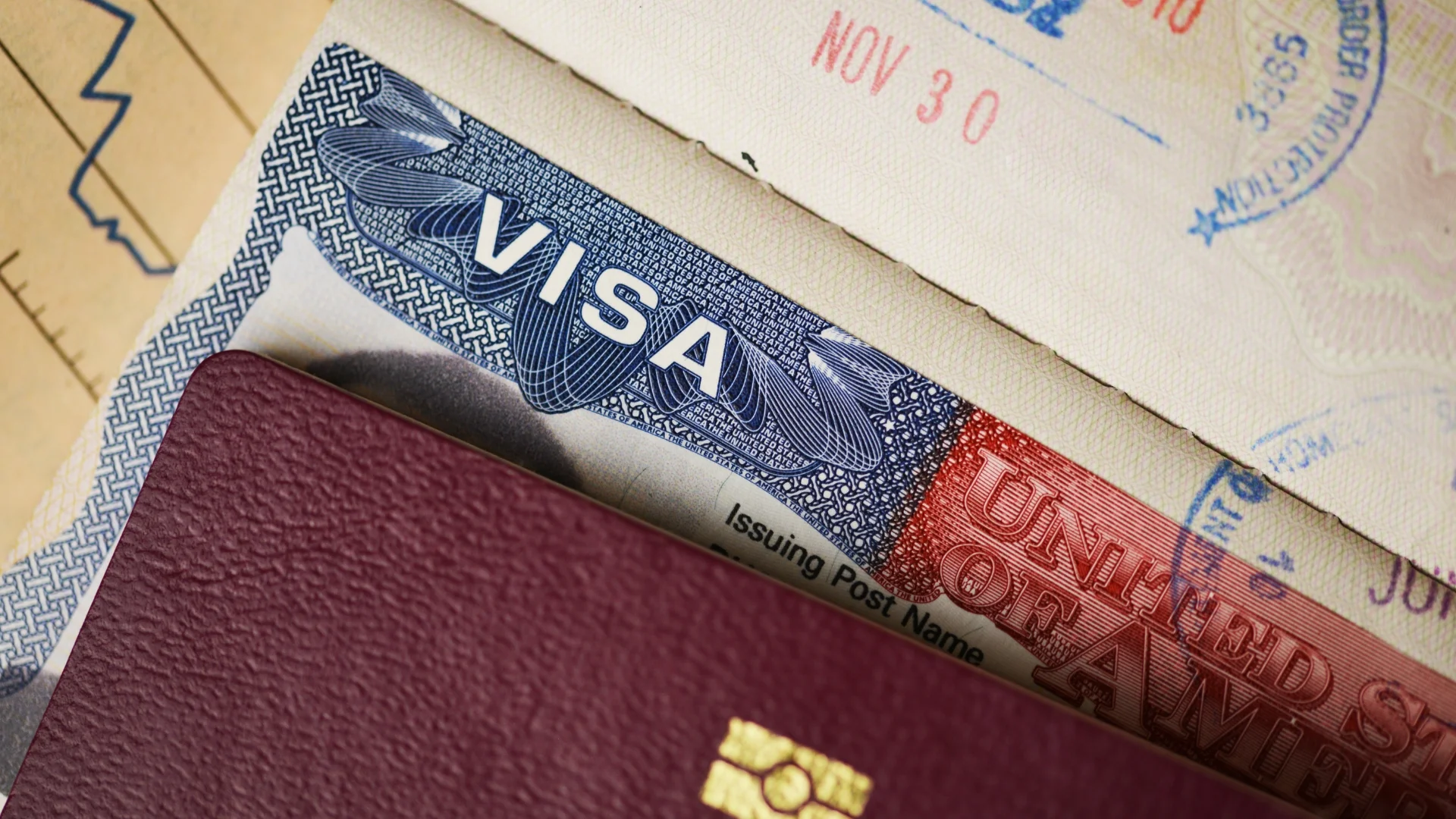
Most India trips begin the same way. You spot a decent fare, someone in the group says “Jaipur in February, yes?”, and ten minutes later the real question lands: what do we actually need to enter the country? If you hold a US, UK or Australian passport, the news is good. The India tourist visa is handled online, nobody mails your passport anywhere, and most applications come back within a few working days.
The catch is that small mistakes get expensive. A blurry photo, a passport that expires too soon, or a payment made on a look-alike website can leave you rebooking flights and hotels. This guide covers what first-timers and repeat visitors tend to get wrong, and how to avoid it. Fees and rules below were checked against government sources in October 2026. India revises visa policy often, so treat the official portal as the final word before you pay.
Do You Actually Need a Visa to Enter India?
Yes. Americans, Britons and Australians all need permission before they land. There is no visa on arrival India option for these three passports, so you cannot fix it at the airport counter. What you can do is apply for the India e-Visa, officially called the e-Tourist Visa, on the government portal at indianvisaonline.gov.in. Once approved, you receive an Electronic Travel Authorization (ETA) by email. Print it and keep it with your passport.
The e-Visa covers leisure: sightseeing, meeting friends or family, a short yoga program, or a course lasting under six months. It does not cover paid work or long-term study. If your plans go beyond a holiday, you will need a different visa category or a regular sticker visa from an Indian mission or its authorized application center.
e-Visa or Sticker Visa: Which One Fits Your Trip?
For most leisure trips the e-Visa is the simpler route. Still, it is worth knowing where it stops working.
- Pick the e-Visa if you are flying into a designated airport or seaport, staying for leisure, and your plans fit inside the stay limits explained below.
- Pick a stamped visa if you want to cross into India by land, for example from Nepal, or if you need a longer stay than the e-Visa allows. Land borders generally require a regular visa, and the paperwork takes longer, so start weeks earlier.
India Visa Requirements: US vs UK vs Australia
Whether you need an India visa for US citizens, UK passport holders or Australians, the three passports are treated almost identically, with one useful difference in how long you may stay on each visit. Here is the side-by-side view.
|
Detail |
USA |
UK |
Australia |
|
Eligible for e-Tourist Visa |
Yes |
Yes |
Yes |
|
30-day visa fee |
$25 (Jul–Mar), $10 (Apr–Jun) |
$25 (Jul–Mar), $10 (Apr–Jun) |
$25 (Jul–Mar), $10 (Apr–Jun) |
|
1-year visa fee |
$40 |
$40 |
$40 |
|
5-year visa fee |
$80 |
$80 |
$80 |
|
Stay per visit (1-year and 5-year visas) |
Up to 180 days |
Up to 180 days |
Up to 90 days |
|
Passport rule |
6 months validity, 2 blank pages |
6 months validity, 2 blank pages |
6 months validity, 2 blank pages |
|
Apply window |
4 to 120 days before arrival |
4 to 120 days before arrival |
4 to 120 days before arrival |
Two extra points on India visa fees 2026. The portal adds a bank charge of roughly 2.5% to 3% on top of the fee, so budget a little more. And the fee is non-refundable whether the application is approved or rejected, which is why accuracy matters more than speed.
30-Day, 1-Year or 5-Year: Choosing the Right e-Tourist Visa
Many travelers default to the cheapest option without thinking about their next trip. Compare the three before you click.
|
Visa |
Entries |
Validity |
Best for |
Fee |
|
30-day |
Double entry |
30 days |
One short trip such as the Golden Triangle |
$25 / $10 |
|
1-year |
Multiple |
1 year |
Two trips in a year, or a long trip with a return visit |
$40 |
|
5-year |
Multiple |
5 years |
Frequent visitors, family visits, repeat travelers |
$80 |
The one-year and five-year options are each a multiple entry visa, so you can leave and return freely during validity. The 30-day visa cannot be extended or converted into another category, so a plan that might stretch beyond a month needs the longer visa from the start. On cost, three or more trips in five years make the $80 five-year visa better value than buying a 30-day visa each time. Also note that the fee for the 30-day visa drops to $10 between April and June. That is the hot, pre-monsoon stretch in North India, so the saving suits travelers heading to the hills, Kerala or the Northeast rather than Delhi and Agra.
How to Apply for an India Visa Online, Step by Step
The process takes around 20 to 30 minutes if your documents are ready. Follow the order below.
- Open the official portal yourself. Type the address into your browser instead of clicking a sponsored ad. The Indian government does not charge emergency or express fees, so any site asking for one is an agent, not the portal.
- Fill in the form with passport-exact details. Your name, date of birth, passport number and issue dates must match the passport page letter for letter. Mismatches are the most common reason for delays.
- Upload your photo and passport page. The portal shows the accepted size and format on screen. Use a recent, front-facing photo against a plain light background, with no glasses glare and no filters.
- Choose your arrival airport or seaport. You will enter through the port you name here, so pick the one you will really use.
- Pay the fee by card. Wait two hours before retrying if the payment status does not update, because the system can lag and a second payment is not refunded.
- Track your status. Use the application ID from your confirmation page. The ETA is emailed once approved.
- Print the ETA. Carry a paper copy along with your passport. Airline check-in staff often ask for it before issuing a boarding pass.
Documents and Photo Rules You Should Prepare
Collecting your India visa documents before you open the form saves a surprising amount of stress. Keep these ready:
- A passport with sound passport validity: at least six months from your arrival date, plus two blank pages for immigration stamps.
- A scanned copy of the passport bio page in the format the portal requests.
- A recent passport-style photograph taken against a light background.
- A credit or debit card that works for international online payments.
- Your intended entry port and approximate dates of arrival.
- Contact details for your first night’s hotel or host in India.
Applicants sometimes ask whether they should wait until flights are booked. You do not need a ticket to start, but it helps to fix your dates first so the visa validity lines up with your trip.
How Long Does It Take to Get an India Visa?
The official rule is simple: apply at least four days before you travel, and you can apply as far as 120 days ahead. In practice, plenty of approvals arrive in three to five working days, but busy months can slow things down. October to March is peak season, when winter travelers, wedding guests and festival crowds all apply at the same time. We tell our guests to build in a buffer of two to three weeks, because India visa processing time can stretch in busy months, especially for the one-year and five-year options. A late approval costs far more than an early one.
Where You Can Enter and Which Areas Need Extra Permits
The e-Visa works at roughly 30 designated airports and a small group of seaports. Major gateways such as Delhi, Mumbai, Jaipur, Kolkata, Chennai, Bengaluru, Goa and Kochi are on the list. Check the current list on the portal before choosing, because it gets updated. You can usually leave through any authorized checkpoint, but you should enter through the port you declared.
Certain border regions need a restricted area permit on top of your visa. Parts of Sikkim, Ladakh’s border belts and some Northeastern states are the usual examples. These permits are not part of the e-Visa, and the rules differ by region and by nationality. If your itinerary touches high-altitude passes or border districts, arrange permits through an experienced operator weeks in advance.
Mistakes That Cause Rejections and Delays
- Name or passport number errors. Even a missing middle name can trigger a query.
- Passport expiring too soon. Six months of validity from arrival is a hard line.
- Poor photo quality. Shadows, filters and cropped heads are routinely sent back.
- Wrong passport on arrival. Dual nationals must travel on the exact passport used in the application.
- Using an unofficial website. Some imitation sites add heavy service charges. Watch for India visa scams that promise instant approval.
- Applying too late. Submitting inside the four-day window means the application may not be processed in time.
If you are refused, read the reason, correct the details and reapply. The earlier fee will not be returned, so a careful first attempt is always cheaper.
Arrival Card and Airport Tips
India has been rolling out a digital arrival card that travelers fill in before landing. It is not a visa and does not replace your ETA, so complete both if the card applies on your travel date. At immigration, expect fingerprint and photo capture, a few questions about your hotel and a stamp that shows your permitted stay. Keep your ETA, passport, return ticket and first hotel booking in one folder so the process takes minutes, not an hour.
Build Your Trip Around the Visa, Not the Other Way Around
Once the visa question is settled, the fun part starts. First-time visitors from the US, UK and Australia usually begin with the Golden Triangle tour of Delhi, Agra and Jaipur, then add a Rajasthan loop or a Kerala backwater stay. Your India travel itinerary should reflect the season too. Cool, dry months from October to March suit most regions, and the best time to visit India shifts if you are heading to Ladakh in summer or Kerala after the monsoon.
A practical tip from years of planning trips: match your visa dates to your first and last nights, then leave a small cushion on both ends. Flights get delayed, and a trip that ends two days past a visa expiry is a headache no one wants.
Why Travelers Plan Their India Trip with Maharaja Trails
Visa approval is only one piece of a smooth journey. At Maharaja Trails, our team builds customized India tour packages around real travel conditions: seasonal weather, festival crowds, road distances and the paperwork that certain regions demand. We check that your entry and exit cities, stay length and permit needs are consistent before you commit to non-refundable bookings.
What guests tell us they value most:
- One planner who knows the routes, so you are not stitching together hotels, drivers and guides on your own.
- Itineraries that respect your visa validity and arrival port.
- Guidance on permits, local rules and what to carry at airports.
- Help from people who are reachable while you are in India.
If you are still weighing dates, duration or regions, a short conversation can save you weeks of guesswork. Share your passport country, rough dates and interests, and we will suggest a route that works on paper and on the ground. Visit Maharaja Trails to request a consultation before you pay for flights or submit your visa form.
Frequently Asked Questions
Can US, UK and Australian citizens all use the e-Tourist Visa?
Yes. All three nationalities are on the eligible list, and fees match for each. Always select your nationality on the official portal, because eligibility and fees are tied to the passport you hold.
How much does an India tourist visa cost for Americans?
The government fee is $25 for a 30-day visa from July to March, $10 for the same visa from April to June, $40 for one year and $80 for five years. A bank charge of about 3% applies. Look at the India visa cost on the portal itself before paying.
Can I extend my e-Tourist Visa after I arrive?
The 30-day visa cannot be extended or converted. The one-year and five-year versions let you stay for a set number of days per visit, and you must leave before that limit ends. Anyone who needs more time should consider a regular visa and ask about an India visa extension early.
What happens if my application is rejected?
You will see a reason on the portal. Correct the error and apply again, or switch to a stamped visa through an Indian mission. The first fee is not refunded, which is why we suggest reviewing every field before you pay.
Can I cross into India by road with an e-Visa?
No. E-Visa entry is limited to designated airports and seaports. If you plan to arrive overland, apply for a regular visa through the proper channels and leave extra weeks for processing.
Do I really need a printed ETA?
Carry one. Airlines sometimes ask for proof at check-in, and phone batteries die at the worst moments. A paper copy and a saved PDF on your phone gives you two safe options.
Do children need their own application?
Every traveler, including infants, needs an individual application tied to their own passport. Parents should prepare photos and passport scans for each child early, because upload errors multiply with family groups.
I hold two passports. Which one should I use?
Use one and travel on that same passport. The ETA is linked to the passport number, and a mismatch at the check-in desk can mean denied boarding. Enter the details of your chosen passport carefully on the form.
Can I visit Ladakh, Sikkim or the Northeast on a tourist e-Visa?
The e-Visa lets you enter India, but certain border and high-altitude zones need separate permits. Rules vary, so arrange them through a local operator well before you travel.
When should I apply for the visa, before or after booking flights?
Fix your dates first and book flexible fares if you can. Then apply two to three weeks before departure. This way your visa validity matches your itinerary, and you avoid paying change fees on tickets.
Ready to Plan Your India Trip?
A visa is a form. A trip to India is an experience, and the better the planning, the better the memories. Contact the team at Maharaja Trails to talk through your dates, passport requirements and route options. We will help you arrive prepared, with a plan that fits your visa, your pace and your budget.
Jitendra Singh - Maharaja Trails
Maharaja Trails travel experts share authentic travel guides, itineraries and insider tips for exploring India including Delhi, Agra, Jaipur and the Golden Triangle. Our goal is to help travellers experience India's culture, history and heritage in the best possible way.
0 Comments
Leave a Reply
Your email address will not be published. Required fields are marked *