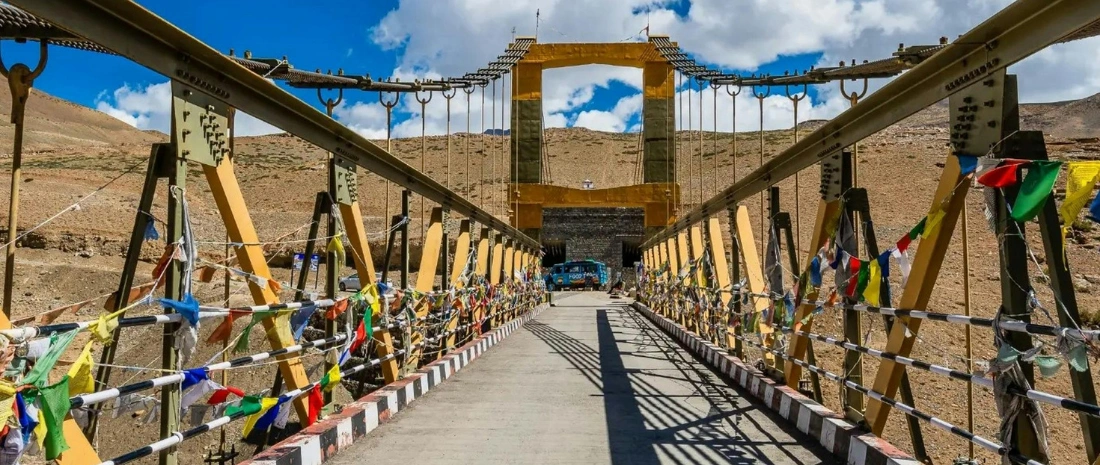
A friend of mine signed up for her first Ladakh trek convinced she'd be crawling up a mountain gasping for air within an hour. She'd read one too many blog posts about altitude sickness and nearly cancelled the whole trip. Turns out, the trail she picked barely felt like "trekking" for the first two days — more like a long, scenic walk between villages with the Himalayas doing all the showing off. That's the thing nobody tells you before your first trip: trekking in Ladakh doesn't have to mean suffering. It just means picking the right route.
Ladakh has this reputation as extreme, remote, only-for-serious-mountaineers territory, and sure, some routes absolutely live up to that. But there's a whole other side to it — gentle trails through mustard fields and whitewashed villages, monasteries perched on hillsides, and camps where the biggest challenge of the day is deciding whether to nap or watch the sunset. If you're planning your first high-altitude walk, here's where to actually start.
Most people assume beginner-friendly and Himalayan trekking are contradictions. In Ladakh, they're not. The region has an unusual mix of trail difficulty levels packed into a relatively small area, which means someone with zero trekking background and someone chasing a serious mountain challenge can both find something suited to them within a few hours of Leh.
It also helps that Ladakh's trails tend to run through inhabited valleys rather than pure wilderness. You're never too far from a homestay, a village guesthouse, or a cup of butter tea, which takes a lot of the intimidation out of a first attempt at high-altitude trekking.
This part matters more than the trek itself, honestly. Leh sits at roughly 11,500 feet, and jumping straight from sea level into a trek without a couple of rest days first is how most beginner trips go sideways. Spend at least two full days in Leh doing very little — short walks, local sightseeing, plenty of water — before attempting any trail above 13,000 feet.
Once your body's adjusted, the treks below become dramatically more enjoyable and considerably safer. Skipping this step is the single biggest reason first-timers end up cutting a trip short.
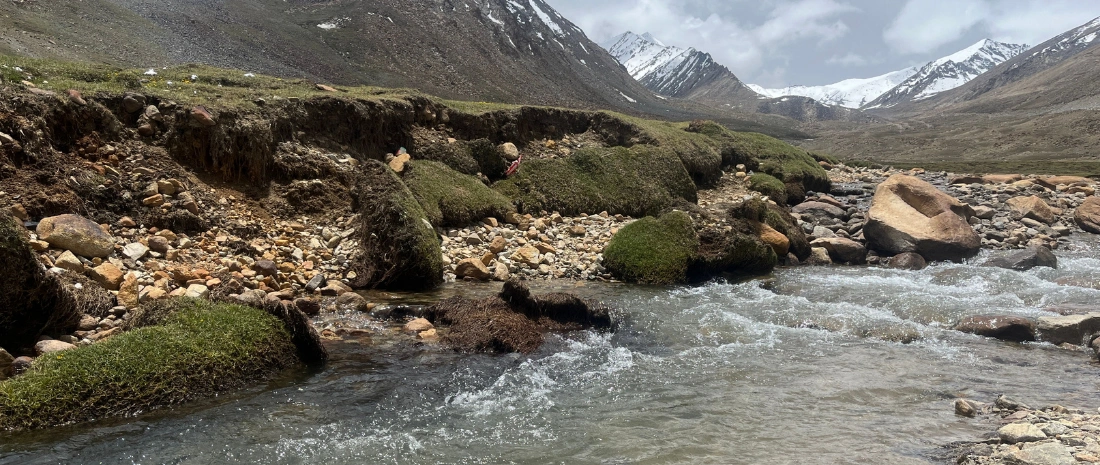
If someone asked me to point at one trail on a map and say "start here," it would be this one. The Sham Valley trek, sometimes called the "baby trek" of Ladakh, runs through low-altitude villages, apricot orchards, and quiet monasteries without ever pushing you above roughly 12,000 feet.
It typically takes three to four days, covers relatively gentle terrain, and passes through villages like Likir and Yangthang where homestays are common. You get real cultural immersion — meals with local families, village life, monastery visits — without the physical strain that scares off a lot of first-timers. It's genuinely one of the best entry points into Ladakh trekking for beginners.
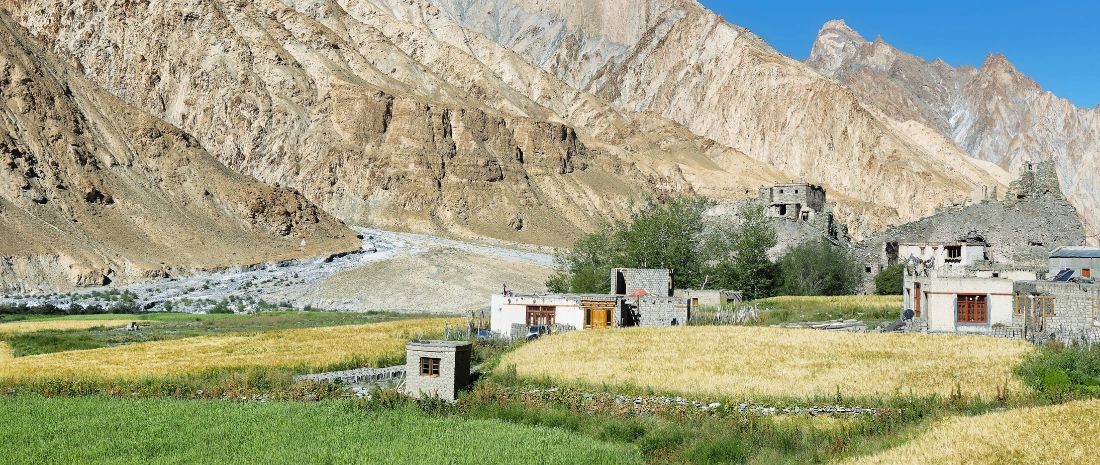
Once someone's got a Sham Valley-style trek under their belt, or if they're arriving already reasonably fit and acclimatized, the Markha Valley trek is usually the next natural step. It's longer — around seven to nine days typically — and touches higher altitudes, crossing the Ganda La and Kongmaru La passes, both above 16,000 feet.
What makes it special is the variety packed into one trail: river crossings, apple orchards, ancient monasteries, and views of Kang Yatse peak that genuinely stop conversation mid-sentence. It's more demanding than Sham Valley, but it's still considered accessible for a reasonably fit beginner with proper acclimatization, which is exactly why it's become one of the most bookmarked routes for anyone researching Ladakh trek packages.
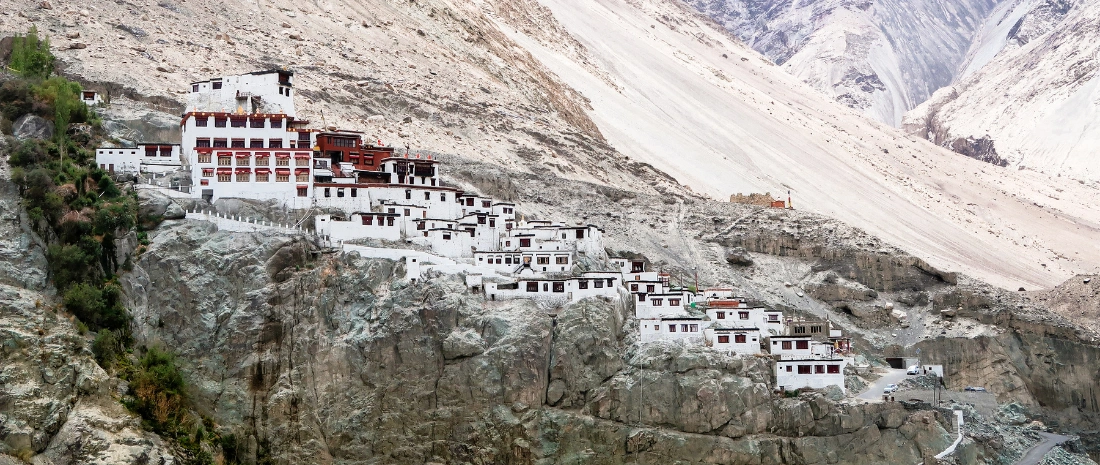
Not everyone realizes Nubra Valley offers trekking beyond the famous camel rides on its sand dunes. Shorter trails around Sumur, Panamik, and the hot springs area give first-timers a taste of high-altitude walking against a genuinely surreal backdrop — cold desert dunes framed by snow-capped peaks.
These routes are typically shorter, often single-day or two-day walks, making them ideal for travelers who want a trekking experience woven into a broader sightseeing itinerary rather than a dedicated multi-day expedition. It's a nice way to add movement and a bit of physical challenge without committing an entire trip to it.
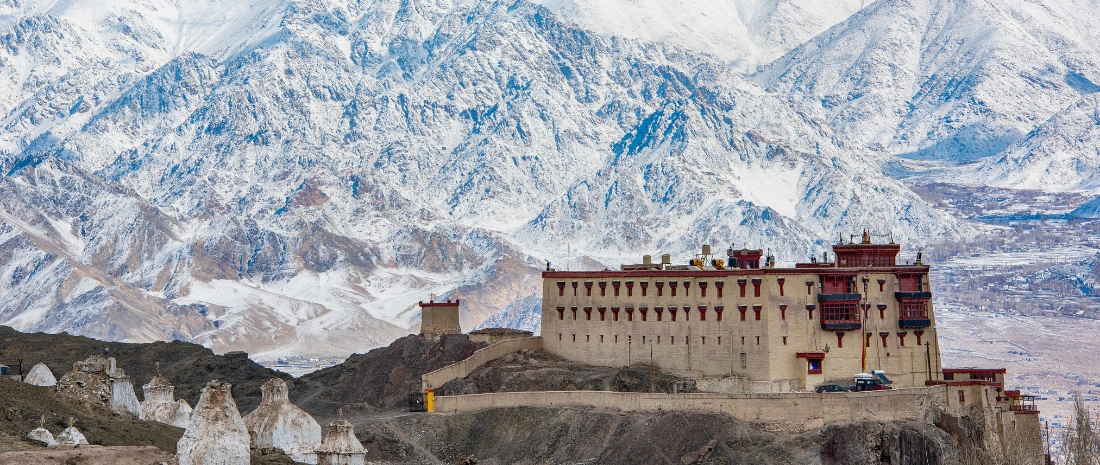
For first-timers who've acclimatized well and want to test themselves a little further without committing to the full Stok Kangri expedition, the shorter Stok Village to Stok La route offers a genuine sense of what serious high-altitude trekking feels like. The pass itself sits above 15,000 feet, and the views back across the Indus Valley are the kind you end up staring at longer than planned.
This isn't the gentlest option on this list, and it shouldn't be a first-day trek — but as a second or third trail after proper acclimatization, it bridges the gap nicely between the easy village walks and the more serious mountaineering-style routes Ladakh is famous for.
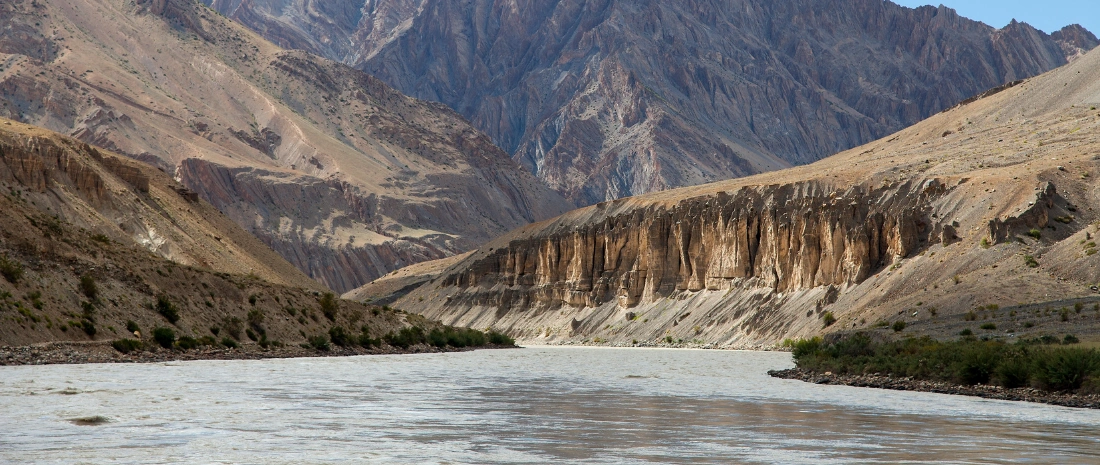
Full Zanskar treks are notoriously demanding, often reserved for experienced trekkers with serious mountain time behind them. But some of the lower-altitude approach trails near Padum and the surrounding valleys offer a genuine taste of Zanskar's dramatic, remote landscape without the extreme commitment of a full crossing.
These routes work best for beginners who've already done a trek or two elsewhere and want something a bit wilder and less trafficked than the more popular Markha or Sham routes, without jumping straight into expedition-level territory.
A few honest questions help narrow things down faster than scrolling through endless trail descriptions. How many days can you realistically commit? Have you done any high-altitude travel before, even just visiting a hill station? Are you trekking solo, as a couple, or in a group? And genuinely — how fit are you right now, not how fit you were two years ago?
For most first-timers with limited time and zero altitude experience, Sham Valley remains the safest, most enjoyable starting point. Those with a bit more time, decent fitness, and proper acclimatization built into their itinerary tend to get the most out of Markha Valley. Shorter Nubra trails suit travelers who want variety over a dedicated trekking focus.
Layering matters more than any single piece of gear. Mornings and evenings drop close to freezing even in peak summer, while midday sun at altitude can be surprisingly harsh. A good trekking gear checklist typically includes a proper sleeping bag rated for sub-zero temperatures, sturdy broken-in trekking boots, a wind and water-resistant outer layer, sunscreen with high SPF, sunglasses that actually block UV rather than just tinted lenses, and a reusable water bottle you'll refill constantly.
A basic first-aid kit with altitude sickness medication, approved by your doctor before the trip, is worth packing even on the gentler routes. Most trekking difficulty issues in Ladakh come down to altitude, not terrain, so treating that seriously matters more than the toughness of the trail itself.
Ladakh's trails aren't always clearly marked, weather can shift faster than the forecast suggests, and knowing which homestays are reliable versus which ones to skip isn't something you pick up from a map. A local trekking guide handles route-finding, permit formalities where required, and pacing that actually matches your acclimatization level rather than a generic itinerary.
At Maharaja Trails, our Ladakh trip planning includes proper rest days built into every itinerary before any trekking begins, along with local guides who know these valleys well enough to adjust plans on the fly if weather or altitude symptoms call for it. For a first trek, that kind of flexibility matters far more than people expect going in.
Ladakh doesn't demand that your first trek be an ordeal. Between Sham Valley's gentle village trails, Markha Valley's rewarding middle ground, and shorter walks through Nubra, there's a genuine entry point for almost anyone willing to give high-altitude walking a try. Build in proper acclimatization, pack sensibly, and pick a route that matches where you actually are physically — not where you wish you were — and there's a good chance you'll finish the trip already planning your next one.
The Sham Valley trek is widely considered the easiest option, staying below roughly 12,000 feet and passing through low-altitude villages, making it ideal for someone with no prior high-altitude experience.
How many days should a first-time trekker spend in Ladakh before starting a trek?
At least two full days in Leh for acclimatization are recommended before attempting any trail above 13,000 feet. Skipping this step significantly increases the risk of altitude sickness.
Is prior trekking experience required to attempt Markha Valley?
Not strictly, but reasonable fitness and proper acclimatization matter a great deal, since the route crosses two passes above 16,000 feet. It's generally considered more suitable as a second trek rather than a very first attempt.
What is the best time of year for trekking in Ladakh?
June through September is the most popular window, when trails are clear of snow, weather is relatively stable, and most homestays and guesthouses along the routes are fully operational.
Do I need a permit to trek in Ladakh?
Some areas near the border regions require permits, and most professionally organized trekking tours handle this paperwork on behalf of travelers as part of the trip planning process.
How difficult is trekking in Ladakh compared to other Himalayan regions?
Ladakh offers a wider range of difficulty levels than many other Himalayan trekking regions, with genuinely beginner-friendly routes alongside serious high-altitude expeditions, making it accessible for a broader range of fitness levels.
What symptoms of altitude sickness should first-time trekkers watch for?
Headaches, nausea, dizziness, and unusual shortness of breath are common early signs. Any of these symptoms should be taken seriously, with rest and descent considered if they don't improve.
Can I trek in Ladakh without hiring a local guide?
While experienced trekkers sometimes go independently on well-marked routes like Sham Valley, a local guide is strongly recommended for first-timers, particularly on longer or higher-altitude trails like Markha Valley.
What should I pack for a beginner trek in Ladakh?
Layered clothing, sturdy broken-in trekking boots, a sub-zero rated sleeping bag, sun protection, and a basic altitude sickness first-aid kit are essential items for most beginner-level treks in the region.
How long is a typical first-time Ladakh trekking trip?
Most beginner-focused itineraries range from three to five days, though this can be extended or combined with sightseeing in Leh, Nubra Valley, or Pangong Lake for a fuller travel experience.

Your email address will not be published. Required fields are marked *
Recent Post









0 Comments