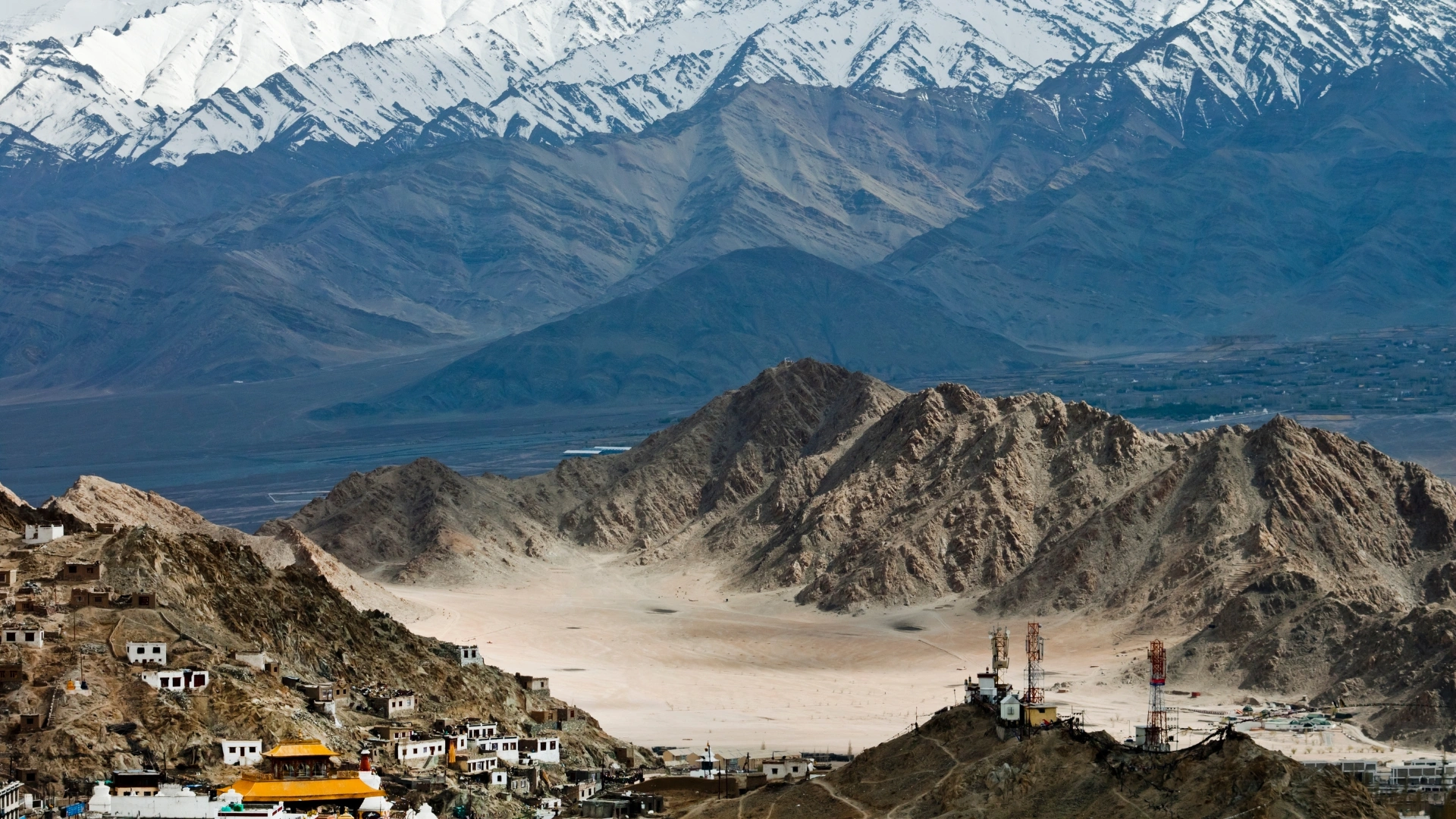
There's a moment on the road to Leh when the trees disappear, the air thins out, and the mountains turn a shade of brown-gold you didn't know existed. That's usually when American travelers realize they've landed somewhere that doesn't behave like the rest of India, or honestly, like anywhere else on the planet. Ladakh sits tucked into the far north, cradled by the Karakoram and the Himalayas, and it has quietly become one of the most talked-about destinations for US travelers chasing something beyond the usual postcard trip.
If you've spent years bookmarking photos of turquoise lakes at 14,000 feet or motorbikes climbing impossibly high mountain passes, chances are you've stumbled onto Ladakh without even knowing its name. This guide breaks down exactly why this remote Himalayan region deserves a spot at the very top of your travel list, and how a well-planned Leh Ladakh tour package can turn that dream into a trip you'll talk about for years.
Ladakh is often called a high-altitude desert, and once you're standing in it, that description finally makes sense. Picture bare, rippled mountains in shades of rust and gold, valleys that stretch out for miles without a single tree, and lakes so blue they look digitally edited even in person.
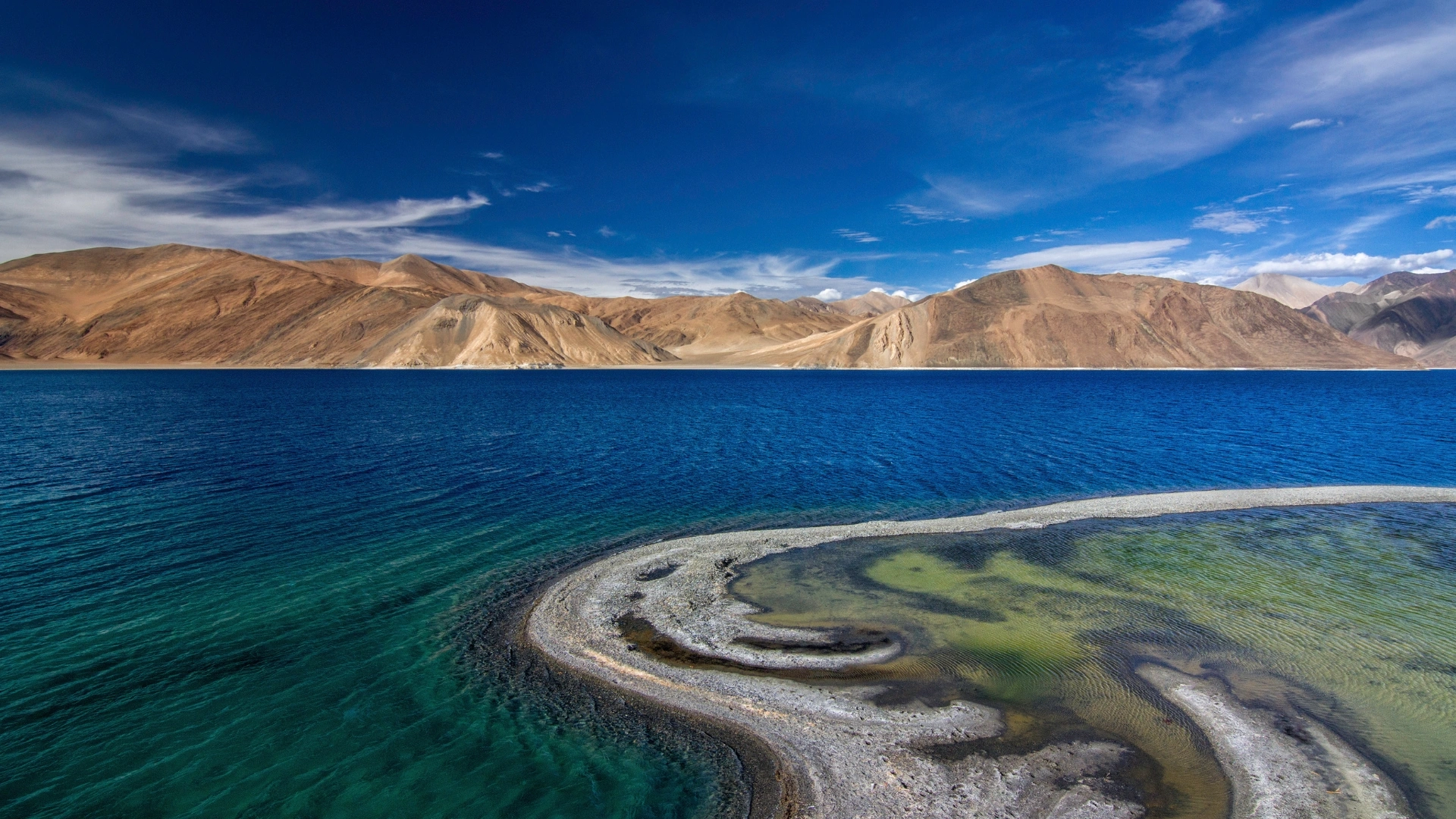
Pangong Lake is usually the moment travelers stop scrolling and start staring. This massive lake stretches across the India-China border at roughly 14,000 feet, and its color genuinely shifts through the day, from deep sapphire to pale turquoise depending on the light. Then there's Tso Moriri, quieter and less crowded, ringed by snow peaks and grazing pastures where nomadic herders still move with the seasons.
Add in the Nubra Valley, a tri-armed valley carved by ancient rivers, where sand dunes sit oddly at peace beneath snow-capped peaks, and you start to understand why photographers, filmmakers, and long-haul travelers keep coming back. This isn't a manicured, tourist-polished landscape. It's raw, remote, and completely unlike the Rajasthan palaces or Kerala backwaters most first-time visitors to India associate with the country.
Ladakh isn't just about staring at scenery from a car window, although that alone is worth the trip. This region has built a genuine reputation among adventure travel circles for good reason.
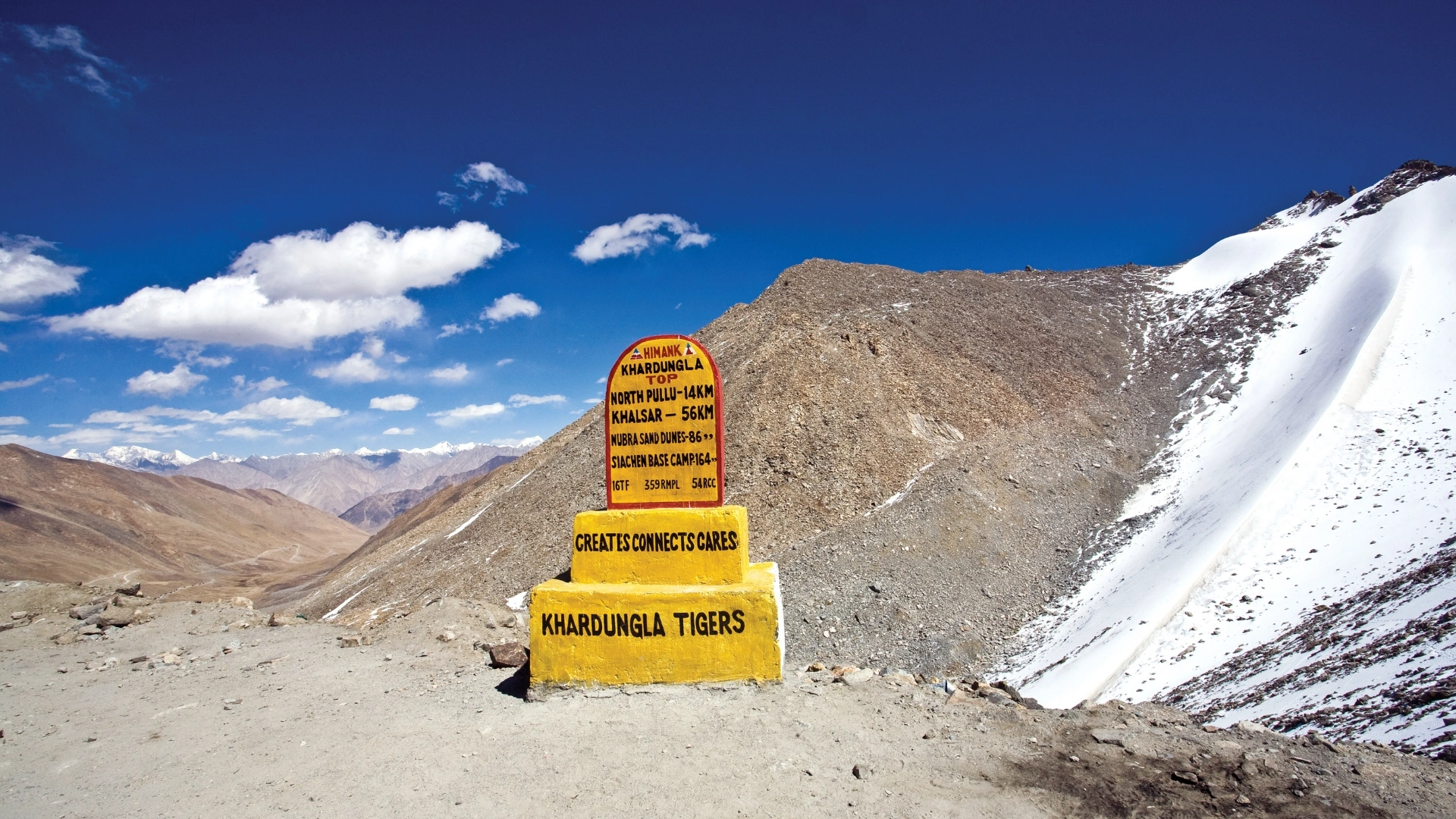
Biking Khardung La Pass, one of the highest motorable mountain passes anywhere in the world, is practically a rite of passage for riders who've done California's Pacific Coast Highway and are hunting for something more extreme. The road winds through switchbacks with drop-offs that make your stomach flip, opening into views that make it all worth it.
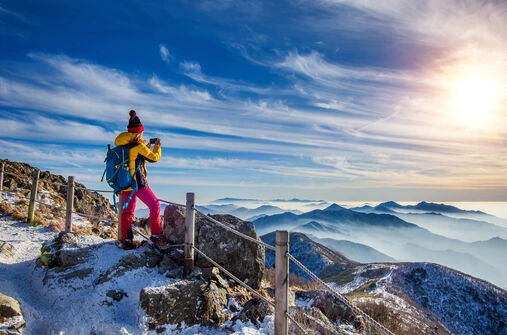
For travelers who'd rather keep both feet on the ground, high-altitude trekking routes wind through remote villages, past monasteries perched on cliff edges, and across valleys where the silence is almost startling after a life spent around traffic and notifications. Camping near Pangong Lake under a sky with zero light pollution is its own kind of therapy, and stargazing here rivals anything you'd find in a US national park.
Then there's the Nubra Valley camel safari, riding double-humped Bactrian camels across sand dunes with snow peaks in the background, a combination that feels almost surreal the first time you see it. River rafting on the Zanskar and Indus rivers adds another layer for travelers who want a bit of adrenaline mixed into their scenic road trip.
Put simply, if your idea of a good vacation includes at least one story that starts with "you won't believe what we did," Ladakh delivers on nearly every day of the itinerary.
Beyond the mountains and lakes, Ladakh carries a cultural weight that surprises most first-time visitors. Buddhist monasteries, some centuries old, sit on hilltops and cliffsides throughout the region. Hemis, Thiksey, and Alchi are among the most visited, each holding onto rituals, prayer flags, and butter-lamp-lit halls that have barely changed in generations.
Local markets in Leh town offer a completely different pace from the region's dramatic landscapes. Handwoven pashmina shawls, silver jewelry, and small cafés serving butter tea and thukpa give travelers a chance to slow down and actually meet the people who call this remote corner of the Himalayas home. For American travelers used to fast-paced, transaction-heavy travel, Ladakh's markets feel refreshingly unhurried.
Food here is its own experience. Momos, thukpa noodle soup, and skyu are Ladakhi and Tibetan staples that most visitors end up craving long after they're back home. Leh town also has a surprising number of cafés serving pizza, pasta, and other continental options, so there's no need to worry if the entire group isn't ready to go full local cuisine every meal.
A lot of US travelers have already checked off Machu Picchu, safari trips in Africa, or a Southeast Asia backpacking loop. Ladakh offers something that genuinely stands apart from all of those.
First, the altitude and terrain are simply unmatched. There's nowhere in the continental United States, not even Colorado's highest peaks, that mirrors the scale of Ladakh's mountain passes and high-altitude lakes. Second, the region hasn't been overrun by mass tourism the way parts of Southeast Asia or Europe have. You can still stand at Pangong Lake at sunrise with barely another soul in sight.
Third, and maybe most importantly, this is a trip that photographs like nothing else in your camera roll. Whether you're a serious photographer or just someone who wants their Instagram grid to actually stop people mid-scroll, the visuals here do the work for you.
Finally, Ladakh offers a rare combination: genuine adventure activities, deep cultural immersion, and jaw-dropping scenery, all within a single, well-structured itinerary. Most bucket list destinations only check one or two of those boxes. Ladakh checks all three.
Here's the honest part most travel blogs gloss over: Ladakh sits at a genuinely high altitude, and Leh city itself is around 11,500 feet above sea level. Oxygen levels are noticeably lower, and altitude sickness is a real possibility if the itinerary doesn't account for it.
This is exactly why working with an experienced local operator matters so much here. A properly built Leh Ladakh tour package builds in a full acclimatization day in Leh before any major sightseeing begins, paces the drive to Nubra and Pangong so the body has time to adjust, and keeps hydration and rest built into the schedule rather than treating it as an afterthought. Travelers who try to DIY this trip without local guidance sometimes cut corners on acclimatization, and it can turn what should be an incredible trip into a rough one.
If you have any heart or respiratory concerns, a quick check-in with your doctor before booking is genuinely worth it. Beyond that, a well-paced itinerary designed by people who know the region handles the rest.
Most seasoned travelers land on a 7 to 8-day window as the sweet spot. That's enough time to properly cover Leh city, Nubra Valley, Pangong Lake, and Tso Moriri without feeling rushed from one viewpoint to the next, while still leaving room to breathe, acclimatize, and actually enjoy the surroundings instead of just photographing them from a moving car.
Travelers with more flexibility on their calendar sometimes extend the trip to include Kashmir, pairing Srinagar's houseboats and Mughal gardens with Ladakh's stark mountain beauty for a longer, more complete Himalayan journey. It's a natural add-on if you're already flying halfway around the world for this trip and want to make the most of it.
There's a misconception that a trip like this is only for hardcore backpackers or extreme athletes. In reality, Ladakh welcomes a wide range of travelers.
Couples looking for a once-in-a-lifetime honeymoon or anniversary trip find the combination of scenery and quiet luxury camps near Pangong genuinely romantic. Families traveling with older kids or teenagers often come away saying it was the most memorable trip they've ever taken together, especially when the itinerary is paced with enough rest days. Solo travelers and small groups of friends gravitate toward a group tour to Leh Ladakh, splitting costs on private vehicles while still getting the flexibility of a semi-custom itinerary.
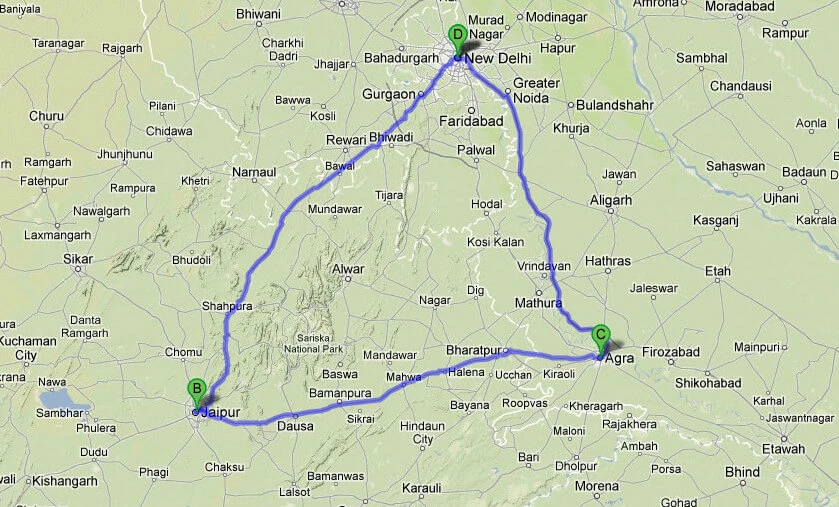
Photography enthusiasts, retirees with a taste for adventure, and travelers who've already done the typical India circuit (Delhi, Agra, Jaipur) and want something completely different all show up here for the same reason: nothing else quite compares.
Even travelers who consider themselves more "comfort-focused" than adventurous tend to walk away pleasantly surprised. A good itinerary blends manageable driving distances, comfortable stays, and enough downtime that no one feels like they're being rushed through a checklist. It's less about how fit you are and more about how well the trip is paced, which again comes back to working with people who plan these routes for a living.
Packing for Ladakh is a little different from packing for the rest of India, mainly because of the altitude and the temperature swings between day and night. Layers are everything here. Daytime sun can feel surprisingly strong even when the air is cold, so a good sunscreen, sunglasses, and a hat are non-negotiable. Once the sun dips, temperatures can drop fast, even in peak summer, so a warm jacket, thermal layers, and a beanie should make it into every suitcase.
Comfortable, broken-in walking shoes matter more here than in most parts of India, given the uneven terrain around monasteries and lake viewpoints. A refillable water bottle helps with the constant hydration you'll need at altitude, and a basic first-aid kit with altitude-sickness medication (discussed with your doctor beforehand) is worth having on hand. Cash in smaller denominations is useful too, since ATMs can be scarce once you're outside Leh town.
Booking flights to Delhi and figuring out permits, altitude logistics, road conditions, and remote-area accommodations on your own is genuinely a lot to manage from the United States. This is where working with a local team who actually knows the region beats stitching together a DIY itinerary from scattered blog posts.
Maharaja Trails has spent years building itineraries specifically around this kind of high-altitude, remote Himalayan travel, handling everything from airport transfers in Leh to permit arrangements for restricted areas like Nubra Valley and Pangong Lake. Every itinerary is paced with proper acclimatization, comfortable stays, and knowledgeable local drivers and guides who know these mountain roads better than anyone.
Whether you're picturing a private, fully customized journey or want the camaraderie and value of a group trip, Maharaja Trails builds the itinerary around how you actually want to travel, not a rigid, one-size-fits-all template. If Ladakh has been sitting on your bucket list, this is genuinely one of those trips where planning with the right people makes the difference between a good vacation and a trip you'll be telling stories about for the rest of your life.
Reach out to Maharaja Trails to start building your Leh Ladakh itinerary, and let a team that knows these mountains inside and out handle the details while you focus on soaking in one of the most extraordinary landscapes on Earth.
Most travelers find 7 to 8 days ideal for covering Leh city, Nubra Valley, Pangong Lake, and Tso Moriri comfortably. This timeframe allows for proper acclimatization on the first day and a relaxed pace across the remaining sightseeing days. Shorter trips are possible but tend to feel rushed given the driving distances between destinations. Those wanting to combine Ladakh with Kashmir often extend their trip to 10 to 12 days for a fuller Himalayan experience.
The window between May and September is generally considered ideal, since mountain roads are fully open and weather conditions are comfortable for sightseeing and outdoor activities. July and August tend to be the busiest months for road trips and photography. Travelers hoping to catch snow-dusted peaks sometimes prefer late May or September, when temperatures are cooler but roads remain accessible.
Yes, it's something to take seriously since Leh sits at roughly 11,500 feet and some passes go well beyond that. A proper itinerary builds in a rest day in Leh before major sightseeing begins, along with gradual travel to higher points like Khardung La and Pangong Lake. Staying hydrated, avoiding alcohol early on, and taking it slow during the first 24 to 48 hours makes a significant difference. Travelers with pre-existing heart or lung conditions should consult a doctor before booking.
Yes, certain areas near the border regions require inner line permits, since they sit close to sensitive international boundaries. Most travelers don't need to worry about the paperwork directly, since experienced tour operators handle the permit process as part of the booking, arranging everything in advance so there's no delay once you land in Leh.
Absolutely. While Ladakh does offer serious trekking and high-altitude adventure for those who want it, most standard itineraries are built around scenic drives, sightseeing, and lighter activities like local market visits and monastery tours. You can experience the region's beauty without signing up for intense physical challenges, and pacing can be adjusted based on the traveler's fitness level and preferences.
Rajasthan and Kerala offer palaces, forts, backwaters, and a warmer climate, while Ladakh is an entirely different kind of experience centered on high-altitude landscapes, Buddhist culture, and dramatic mountain scenery. Many American travelers actually combine both on a longer India trip, pairing the cultural richness of Rajasthan with the raw natural beauty of Ladakh for real contrast within a single journey.
Leh town offers a solid range of hotels from comfortable mid-range stays to more premium boutique properties. In more remote areas like Nubra Valley and near Pangong Lake, accommodations typically shift to well-equipped camps and guesthouses, many offering surprisingly comfortable amenities given the location. Travel operators generally select properties based on comfort, location, and reliability, especially important in areas where infrastructure is more limited.
Yes, this is actually quite common among US travelers making the long trip to India. Ladakh pairs naturally with Kashmir for a longer Himalayan-focused journey, or with the Golden Triangle circuit (Delhi, Agra, Jaipur) for travelers wanting to experience both the mountains and India's iconic cultural landmarks in a single visit.
Many couples specifically choose Ladakh for milestone trips because of its combination of dramatic scenery, quiet remote camps, and once-in-a-lifetime experiences like stargazing beside Pangong Lake. It offers something genuinely different from typical honeymoon destinations, memorable in a way that's hard to replicate elsewhere.
Booking at least two to three months ahead is generally recommended, especially for travel during the peak months of June through August, when hotels and camps near popular spots like Pangong Lake fill up quickly. Booking early also gives your tour operator enough time to properly arrange permits, transportation, and accommodations tailored to your travel dates and preferences.
Ready to experience the Himalayas the way they're meant to be seen? Connect with the travel specialists at Maharaja Trails and let them design a Leh Ladakh itinerary built entirely around your pace, your interests, and your dream trip.
Your email address will not be published. Required fields are marked *
Recent Post









0 Comments