There's a particular kind of city that doesn't just show you its past — it makes you feel like you've walked straight into it. St. Petersburg, Russia is exactly that kind of place. Founded by Peter the Great in 1703 along the banks of the Neva River, this city was built with one goal in mind: to rival the grandest capitals of Europe. Three centuries later, it still does. Gilded palaces line the canals, onion domes catch the evening light, and museums hold more masterpieces than most countries own in total. If you're planning a trip that mixes art, architecture, and a little bit of royal drama, this is the ultimate guide to the city they call the "Cultural Capital of Russia."
This guide walks through the landmarks that make St. Petersburg unforgettable — from the legendary Hermitage Museum to the blood-soaked history behind the Church of the Savior on Spilled Blood, and the countryside palaces that once hosted an empire's most powerful families.
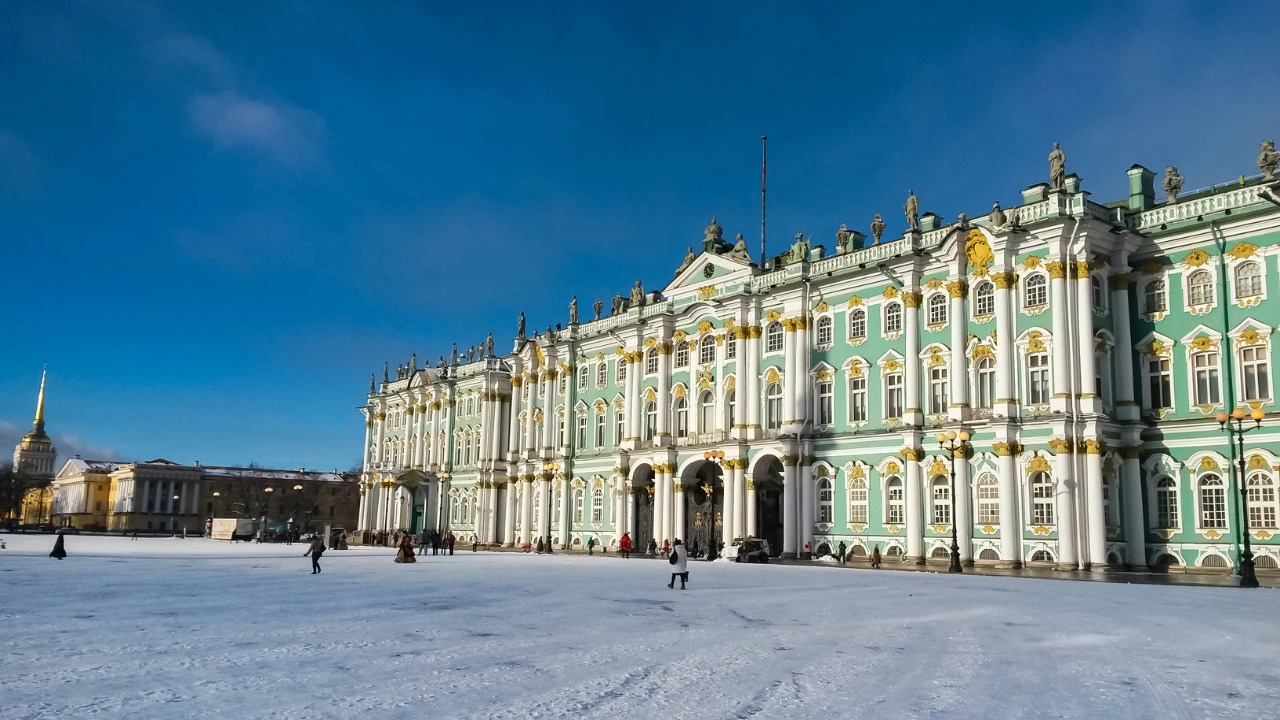
No trip to St. Petersburg is complete without stepping inside the Hermitage Museum, one of the largest and oldest art museums on the planet. Housed primarily within the Winter Palace — the former official residence of Russian emperors — the museum is so vast that visitors joke you could spend years inside without seeing everything twice. And that's not much of an exaggeration.
The collection includes more than three million items, spanning everything from ancient Egyptian artifacts to Western European masterworks. Art lovers can find original pieces by Leonardo da Vinci, Michelangelo, and Picasso tucked into rooms so ornately decorated that the walls themselves feel like part of the exhibit. Give yourself at least half a day here, and wear comfortable shoes — the palace alone stretches across hundreds of rooms.
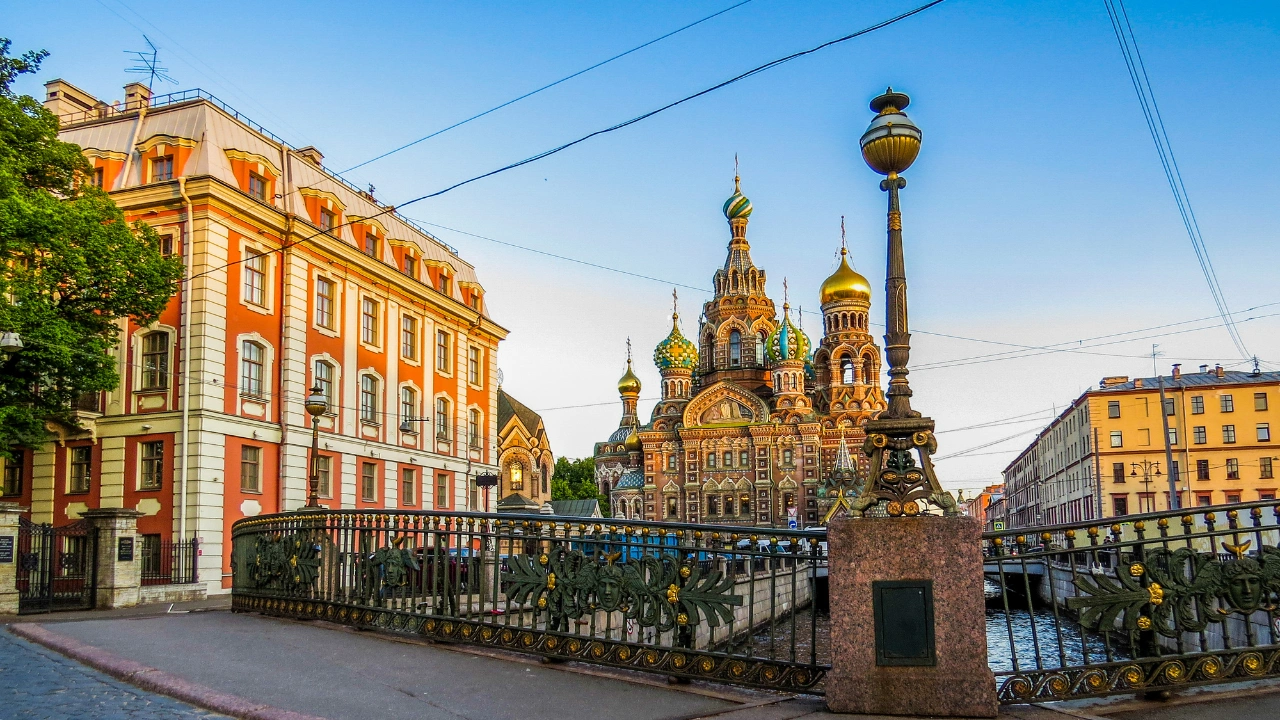
With its candy-colored, onion-shaped domes, the Church of the Savior on Spilled Blood is one of the most photographed buildings in the entire country — and it has one of the darker backstories to match its dramatic name. The church was built on the exact spot where Emperor Alexander II was assassinated in 1881, and it stands today as a memorial as much as a place of worship.
Step inside and the exterior's playful colors give way to something far more solemn and impressive: roughly 7,500 square meters of mosaic artwork covering nearly every surface. Biblical scenes unfold in intricate geometric patterns from floor to ceiling, and the effect is dizzying in the best possible way. Look up as much as you look around — the detail rewards patience.
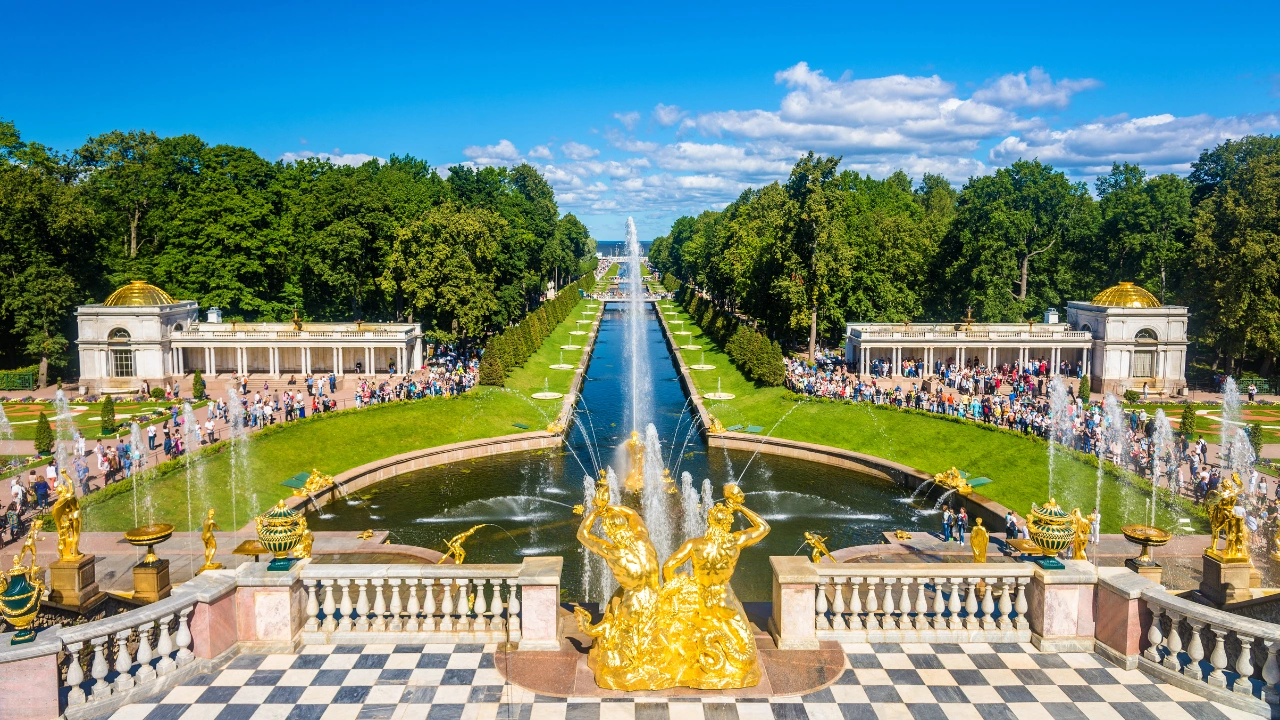
About 30 kilometers west of the city sits Peterhof Palace, the estate Peter the Great built specifically to outshine the grandeur of European royal courts — Versailles included. The main palace is impressive on its own, but the real showstopper is outside: golden statues, cascading fountains, and manicured gardens that stretch for acres.
One quirky detail worth knowing before you go — some of the garden's fountains are rigged as "trick fountains," designed centuries ago to playfully soak unsuspecting visitors who wander too close. It's a small, mischievous touch inside an otherwise regal setting, and it's part of what makes Peterhof feel alive rather than just preserved.
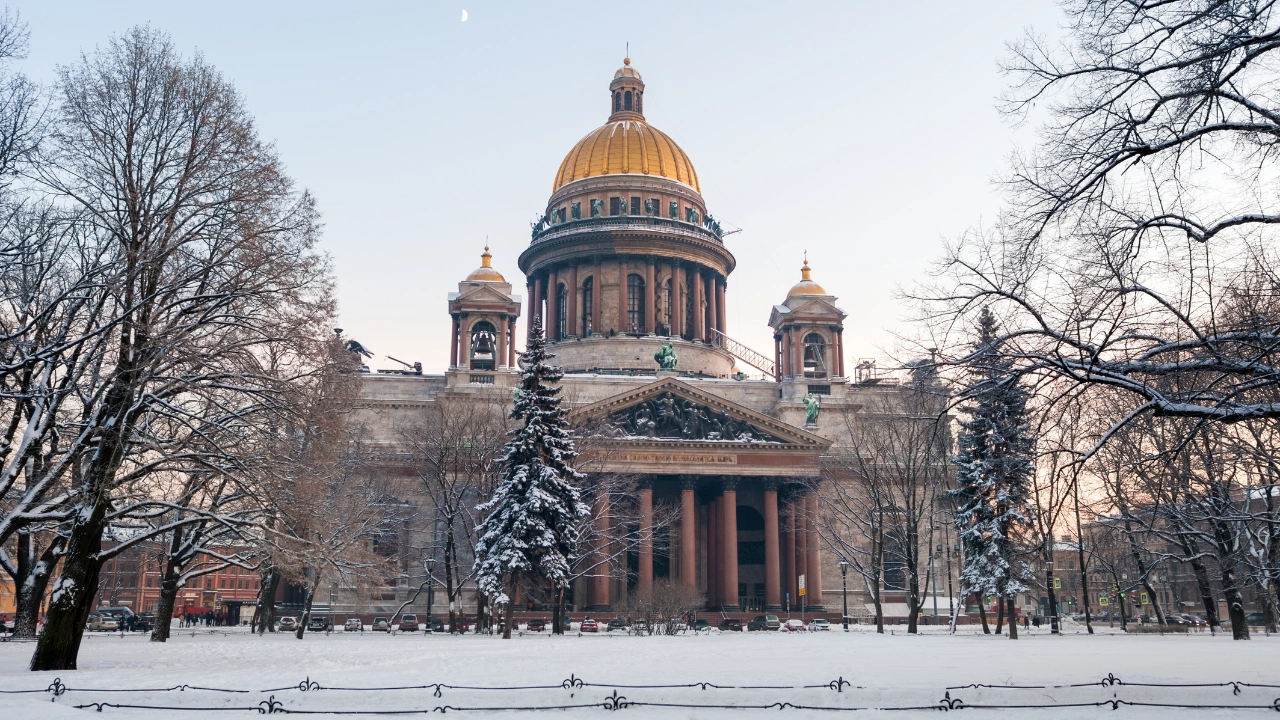
Among Russia's largest domed cathedrals, St. Isaac's Cathedral is a masterclass in neoclassical architecture. Its facade is imposing enough from the street, but the real reason to visit is the colonnade at the top of the dome, which offers one of the best panoramic views of the entire city. On a clear day, you can see the Neva River winding between rooftops all the way to the horizon.
St. Petersburg's love of the arts isn't confined to museum walls. The city is home to the Mariinsky Theatre, the legendary stage where dancers like Anna Pavlova once performed, and which continues to host world-class ballet and opera to this day. Even if classical performances aren't usually your thing, catching a show here is worth it just for the setting.
For something a little different, the Fabergé Museum inside the Shuvalov Palace holds the largest collection of jeweler Peter Carl Fabergé's work in the world, including the imperial Easter eggs made famous for their intricate craftsmanship. It's a smaller museum than the Hermitage, but every piece inside tells its own story of imperial excess and artistry.
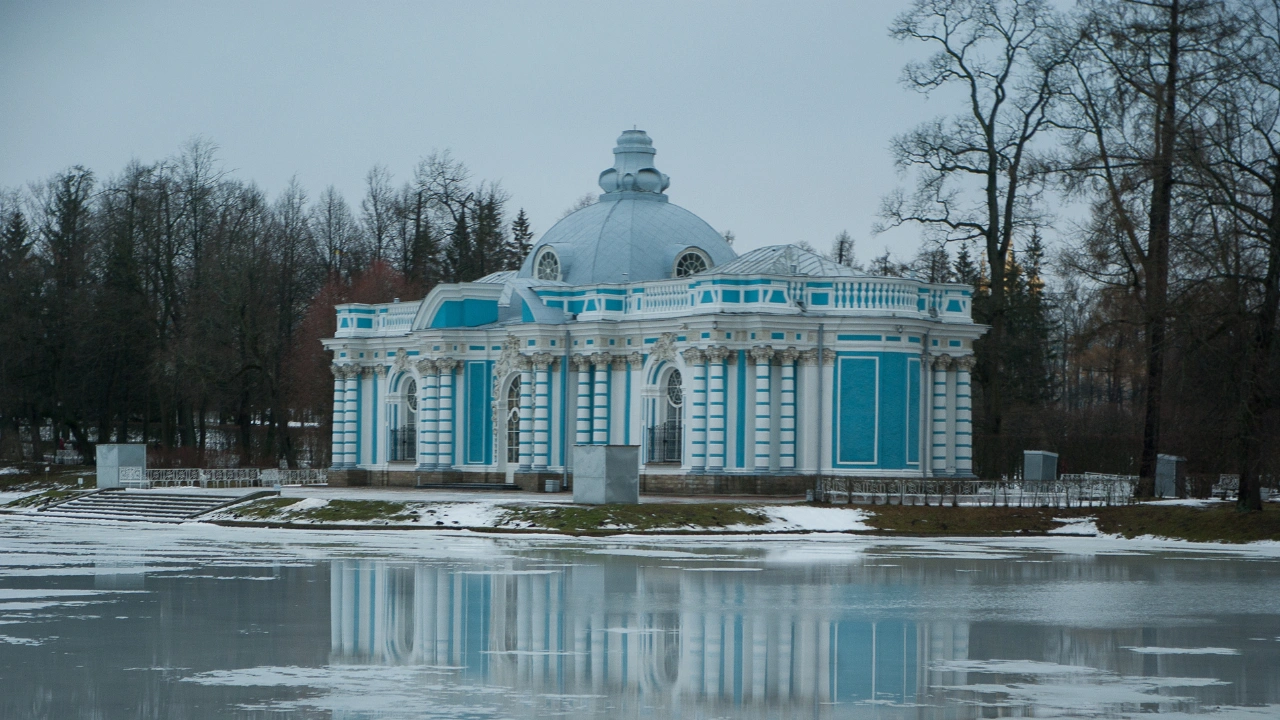
Just outside the city, in the town of Pushkin, stands Catherine Palace, famous above all for its Amber Room — a chamber once decorated entirely in amber panels backed with gold leaf. The original room vanished during World War II and has since been painstakingly reconstructed, making it one of the more fascinating restoration stories in modern European history.
The palace itself is dripping in baroque excess — turquoise walls, gilded trim, and ballroom after ballroom. Because it's such a popular stop for visitors, it's worth booking tickets or a guided tour in advance rather than risking long lines at the gate.
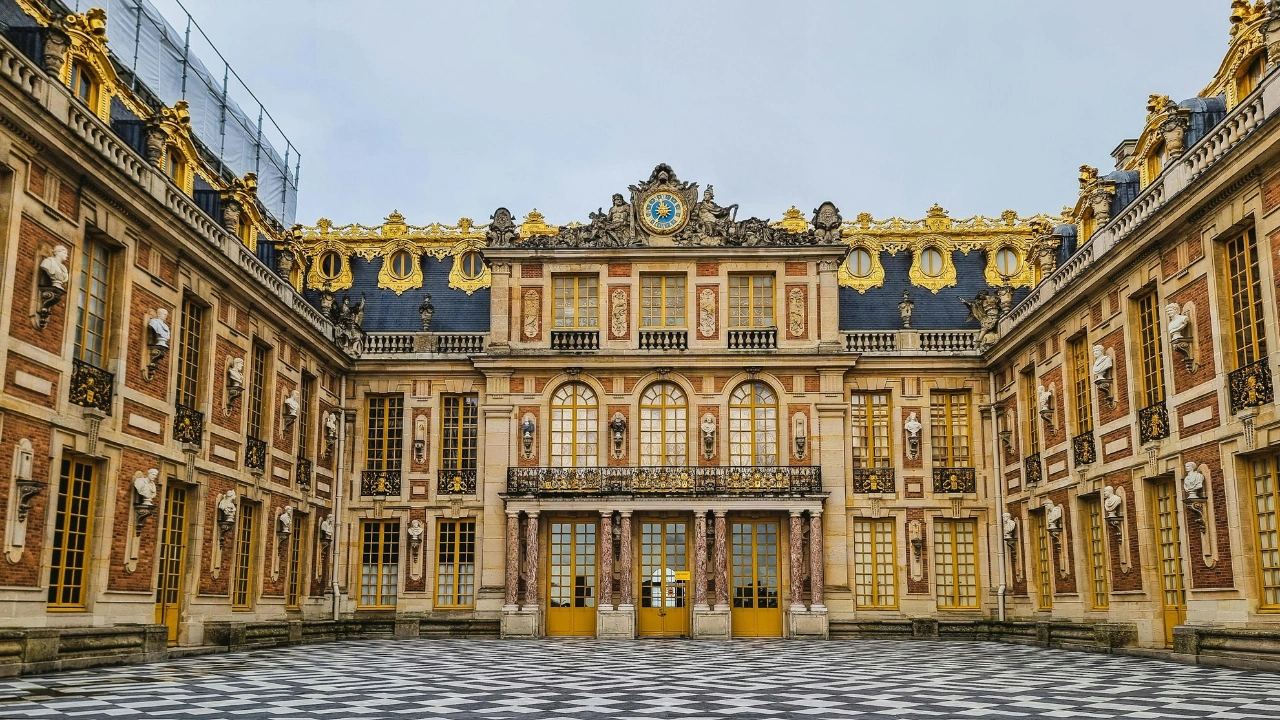
History buffs will want to save time for Yusupov Palace, once home to one of Russia's wealthiest noble families and the site of Grigori Rasputin's infamous murder. The palace mixes lavish interiors with a genuinely eerie backstory, and the basement exhibit recreating the events of that night gives the visit an edge that most palace tours don't have. An audio guide is highly recommended here — the story is better heard than read off a placard.
St. Petersburg rewards visitors who slow down. This isn't a city to rush through in a day or two — the museums alone could fill a week, and the palaces outside the city each deserve a half-day of their own. Late spring through early autumn is generally the most comfortable time to visit, and if your trip lines up with the White Nights (the period around the summer solstice when the sky barely gets dark), you're in for something genuinely unforgettable.
Whether you're drawn by the art, the architecture, or the layered imperial history, St. Petersburg delivers on all three without ever feeling like a museum piece itself. It's a living city that just happens to carry three centuries of royal drama in its bones.
St. Petersburg is best known for its imperial architecture, world-class museums, and canal-lined streets. It was Russia's capital for over 200 years and remains the country's cultural and artistic heart, home to landmarks like the Hermitage Museum and the Winter Palace.
Most travelers need at least 4 to 5 days to see the highlights comfortably, including a day trip to Peterhof and another to Catherine Palace. Art enthusiasts often extend their stay to a week or more just to properly explore the Hermitage.
The Hermitage houses over three million items, including paintings by Leonardo da Vinci, Michelangelo, Rembrandt, and Picasso, along with ancient artifacts, sculptures, and royal furnishings once used by Russian emperors.
The church gets its dramatic name because it was built on the site where Emperor Alexander II was fatally wounded in an assassination attempt in 1881. It was constructed as a memorial to him.
Yes — Peterhof is often called the "Russian Versailles," and its gardens and golden fountain displays are considered some of the most impressive in Europe. It's an easy day trip from the city center.
The original Amber Room inside Catherine Palace was looted and disappeared during World War II and has never been recovered. The room visitors see today is a faithful reconstruction completed using historical photographs and craftsmanship.
Grigori Rasputin was a mystic advisor to the Russian imperial family. He was murdered inside Yusupov Palace in 1916 by a group of Russian nobles, and the palace's basement exhibit recreates the events of that night.
Late spring through early autumn, roughly May through September, offers the mildest weather. Visiting during the White Nights in June brings nearly 24 hours of daylight, which is a unique experience in itself.
Yes, the historic center is quite walkable, with many major landmarks like St. Isaac's Cathedral, the Winter Palace, and the Church of the Savior on Spilled Blood within reasonable walking distance of one another along the canals.
It's strongly recommended, especially for popular sites like Catherine Palace and the Hermitage, where lines can be long during peak travel season. Booking timed-entry tickets or a guided tour ahead of time saves significant waiting.

Your email address will not be published. Required fields are marked *
Recent Post














0 Comments