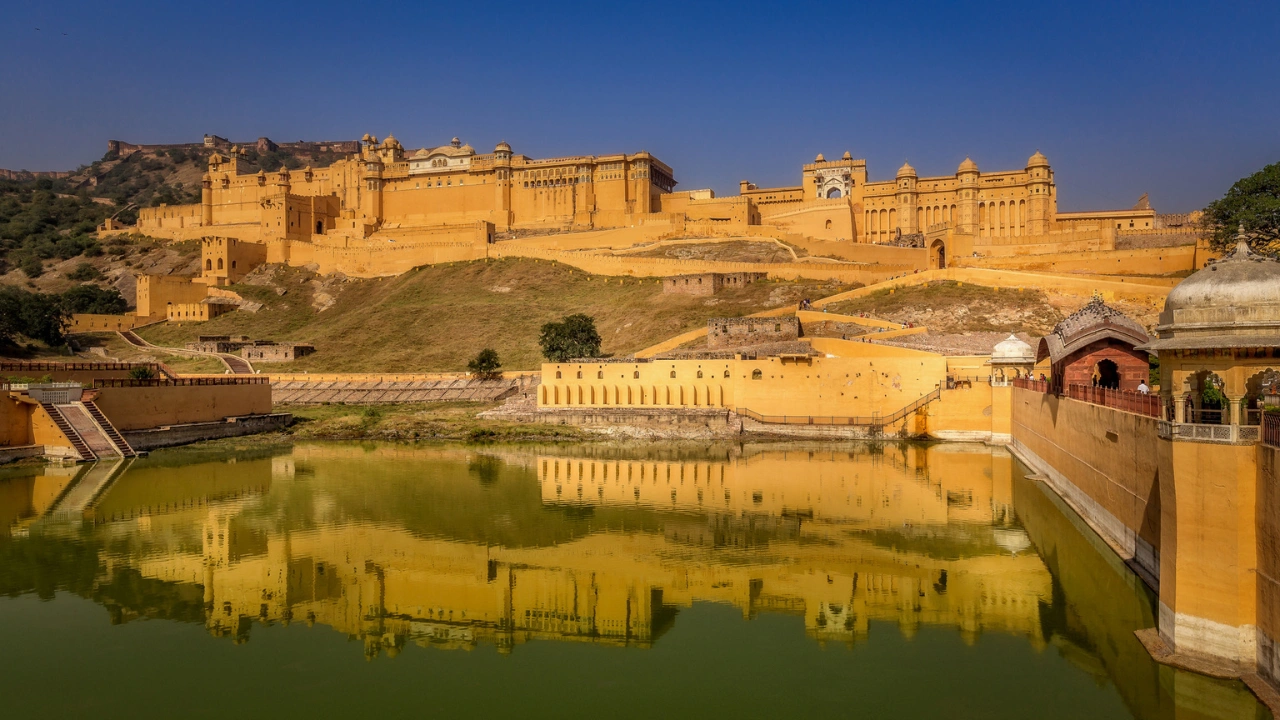
Rajasthan doesn't just sit on a map — it pulls you in with the color of a hundred bazaars, the hush inside centuries-old fort walls, and sunsets that turn the desert into gold. If you've been scrolling through options for your next trip, you already know how overwhelming the choices can get: which fort deserves a full morning, how many days to spend in the desert, when to catch a lake at its calmest. At Maharaja Trails, we've walked these routes long enough to know exactly which stops earn your time and which ones you can skip without guilt. This guide takes you through the state's most loved sightseeing places — the ones that show up in every traveler's photo album for good reason — along with practical details like timings, entry fees, and how long you'll actually want to linger at each. Whether you're browsing rajasthan tour packages for a short getaway or planning something longer with the whole family, think of this as your starting point. Grab a cup of chai, get comfortable, and let's walk through Rajasthan one landmark at a time.
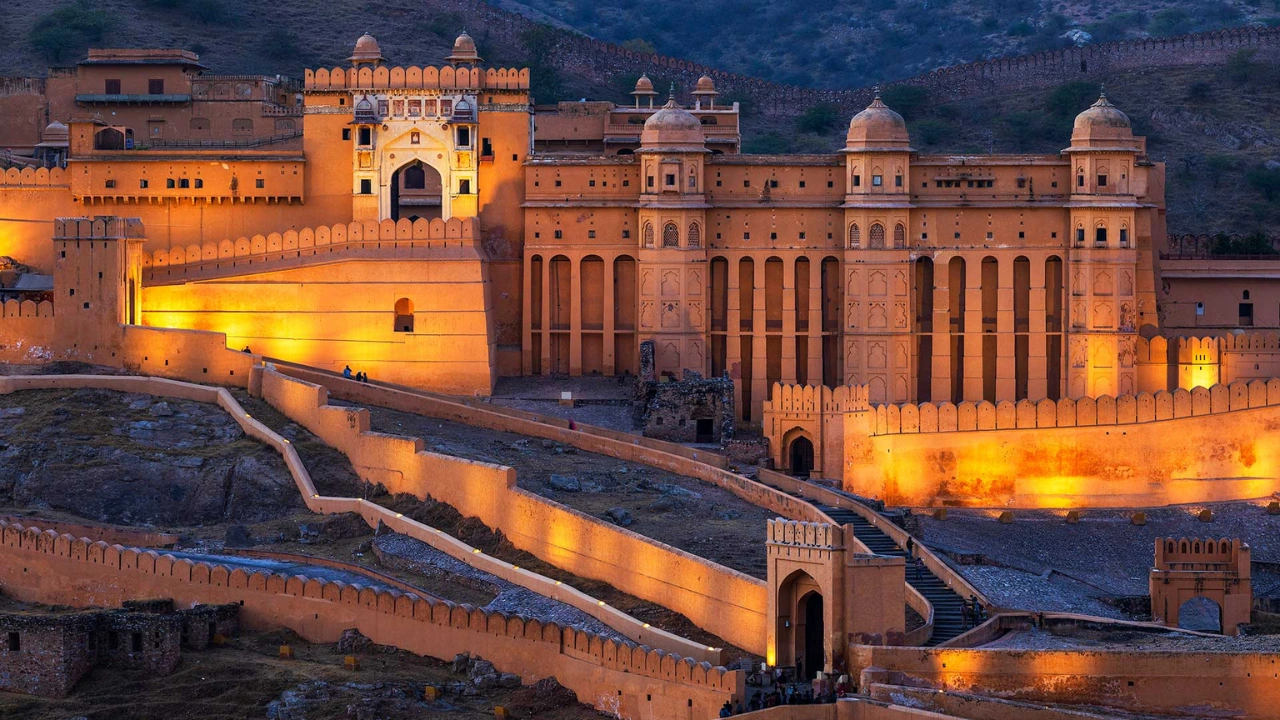
Perched on a ridge above Maota Lake, Amber Fort is usually the first stop that makes travelers fall for Jaipur. Built from pale yellow and pink sandstone, it blends Rajput strength with Mughal delicacy — you'll notice this the moment you step into the Sheesh Mahal, where thousands of tiny mirrored tiles once lit an entire hall with a single candle flame. The fort earned its fame not just for its scale but for how livable it still feels; wander through its courtyards and you can almost picture royal processions moving between the gardens and private chambers.
Most visitors need close to three hours to see the fort properly, longer if you enjoy photography or want to take the short elephant or jeep ride up the hill. The complex opens from 8:00 AM to 5:30 PM, and an evening light-and-sound show runs afterward for those who want to see it lit up after dark. Entry costs around ?100 for Indian nationals and ?500 for foreign visitors, with a small extra charge if you want access to the Sheesh Mahal and the museum sections.
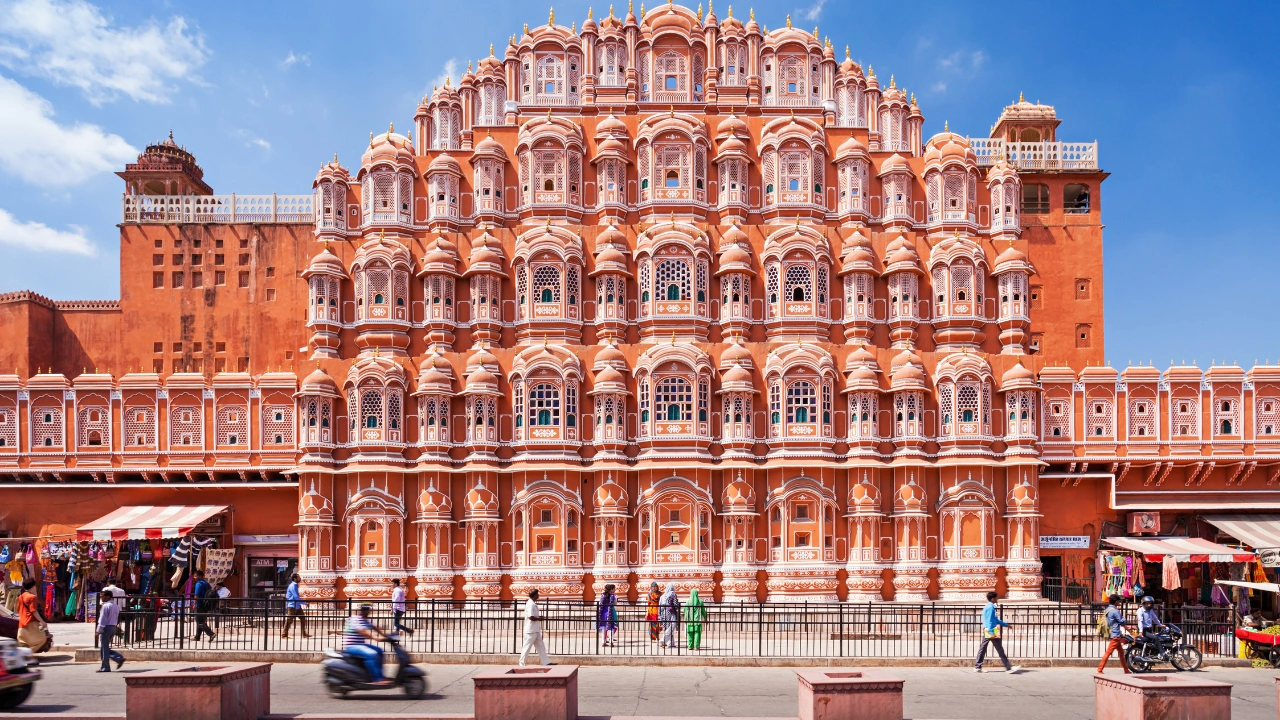
Hawa Mahal, or the Palace of Winds, is probably the single most photographed building in Jaipur, and once you see its honeycomb facade of 953 small windows, you'll understand why. It was built so that royal women could observe street life and festivals without being seen themselves, and that quiet purpose still shows in the way light and air move through the structure even today.
A visit here rarely takes more than 45 minutes to an hour, since most of the experience is the facade itself and the compact museum inside detailing its history. The palace is open from 9:00 AM to 4:30 PM, and entry fees sit around ?50 for Indian visitors and ?200 for foreign tourists. Early morning is the best window for photos, when the sandstone glows a soft rose-pink and the street below hasn't filled up yet.
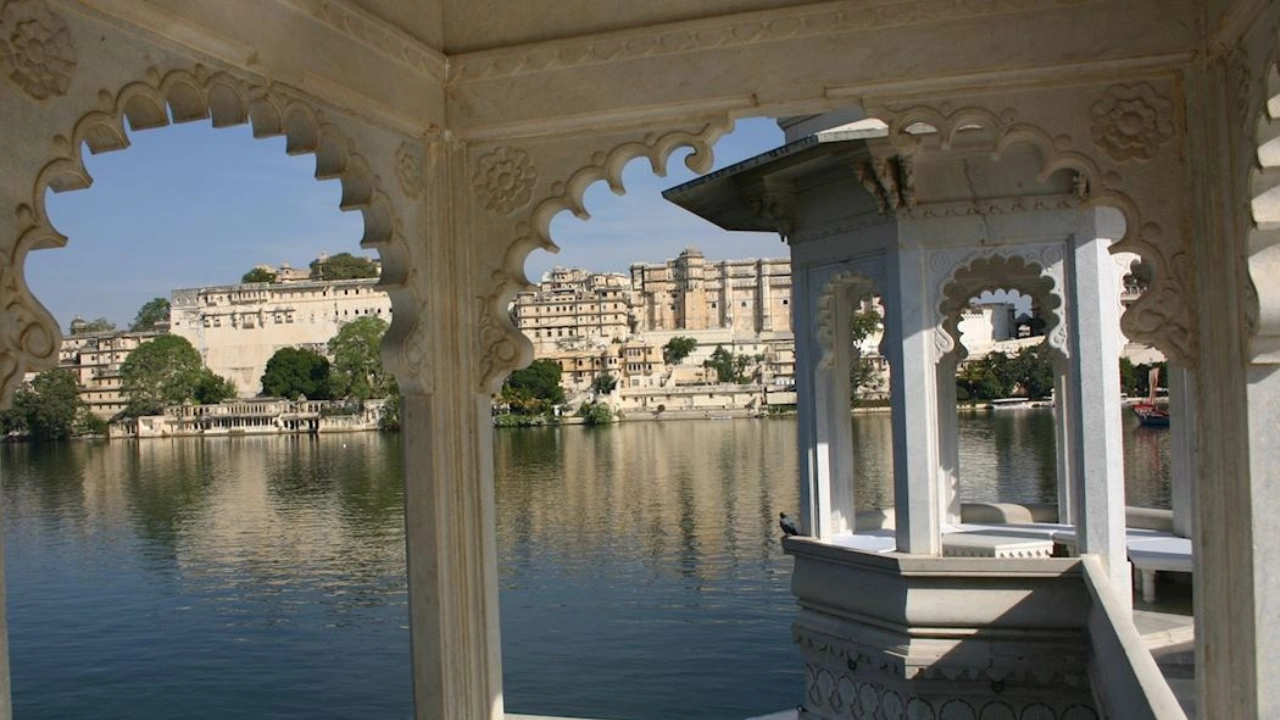
Overlooking Lake Pichola, City Palace is where Udaipur's royal history really comes alive. It's actually a cluster of palaces built over nearly four centuries by successive Mewar rulers, so as you move through it you're walking through different eras of design at once — courtyards, balconies, and towers that mix marble, mirror work, and colored glass in a way that feels distinctly regal rather than showy.
Plan for at least two to three hours here, since the complex is large and includes a museum, a crystal gallery, and several galleries worth slowing down for. It's open daily from 9:30 AM to 5:30 PM, with entry priced around ?300 for Indian nationals and closer to ?700 for foreign travelers, and additional tickets if you want to include the crystal gallery. Try to time your visit for late afternoon, when the palace catches golden light over the lake.
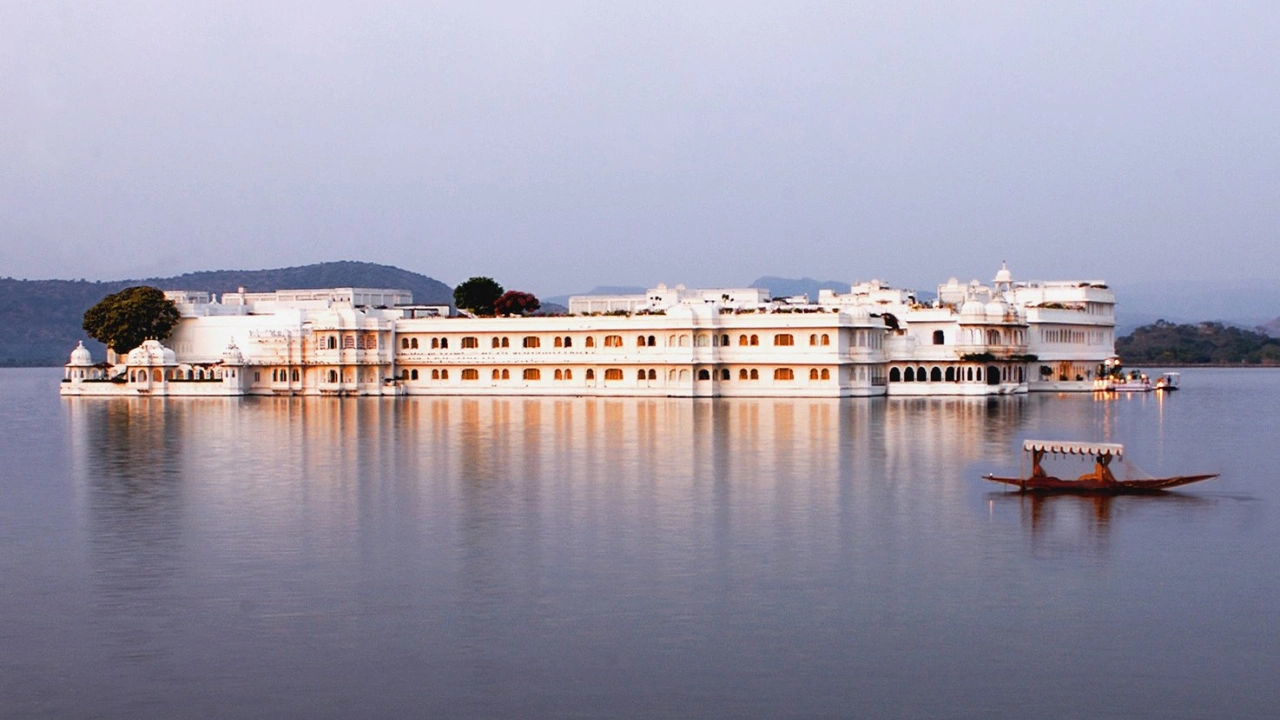
Lake Pichola is less a single sight and more the backdrop that makes Udaipur feel like a city floating on water. Created in the 14th century and later expanded, it's framed by palaces, ghats, and hills on nearly every side, which is exactly why sunset boat rides here have become something of a tradition for visitors.
A boat ride typically lasts 30 to 45 minutes and departs from the Rameshwar Ghat near City Palace between 10:00 AM and 6:00 PM, with tickets usually priced between ?400 and ?700 depending on the season and route chosen. There's no entry fee for the lake itself, so even a quiet evening walk along the ghats, watching the Lake Palace glow against the water, costs nothing at all.
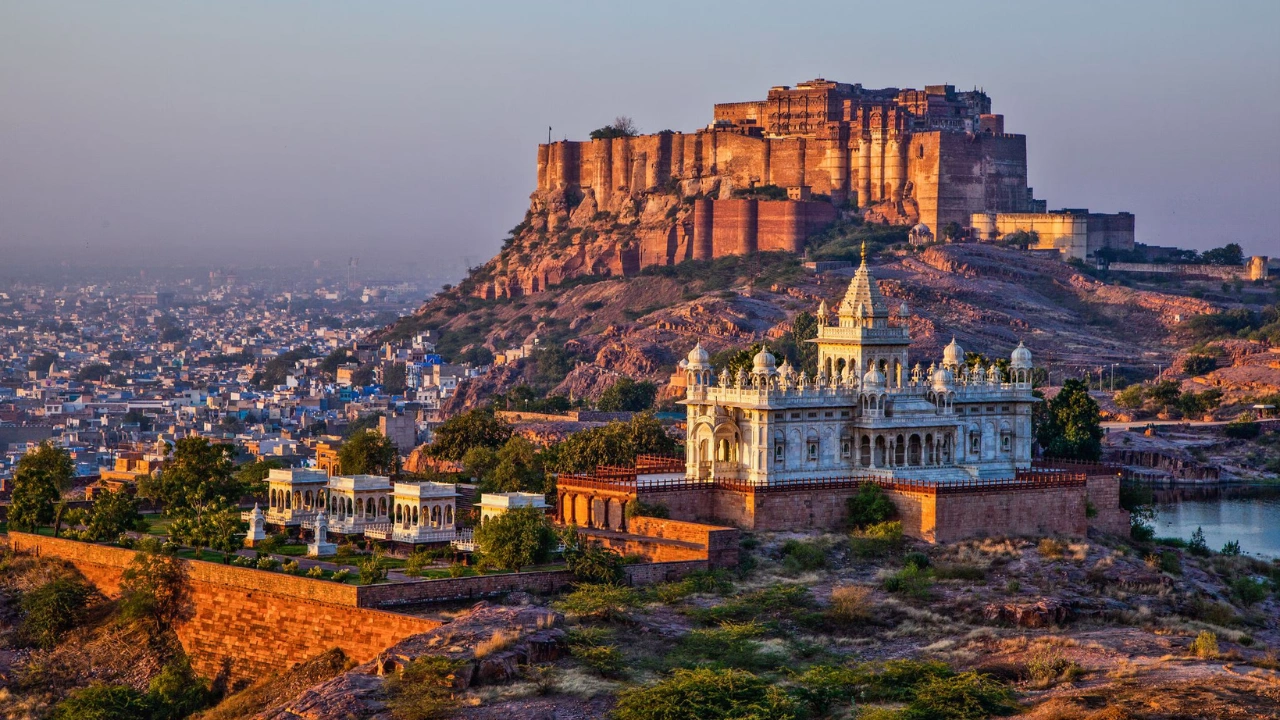
Rising nearly 400 feet above Jodhpur's blue-washed old city, Mehrangarh Fort is one of the largest and best-preserved forts in the country. Its thick sandstone walls have withstood cannon fire and centuries of weather, and inside, the museum houses an impressive collection of armor, palanquins, and royal portraits that make the fort's history feel tangible rather than distant.
Give yourself around two and a half to three hours to explore the ramparts, courtyards, and museum sections, plus a little extra time if you want to enjoy the zip-line experience across the fort grounds. Mehrangarh is open from 9:00 AM to 5:00 PM, with entry set at roughly ?100 for Indians and ?600 for foreign visitors, audio guide included. The view over Jodhpur's blue rooftops from the ramparts alone makes the climb worth it.
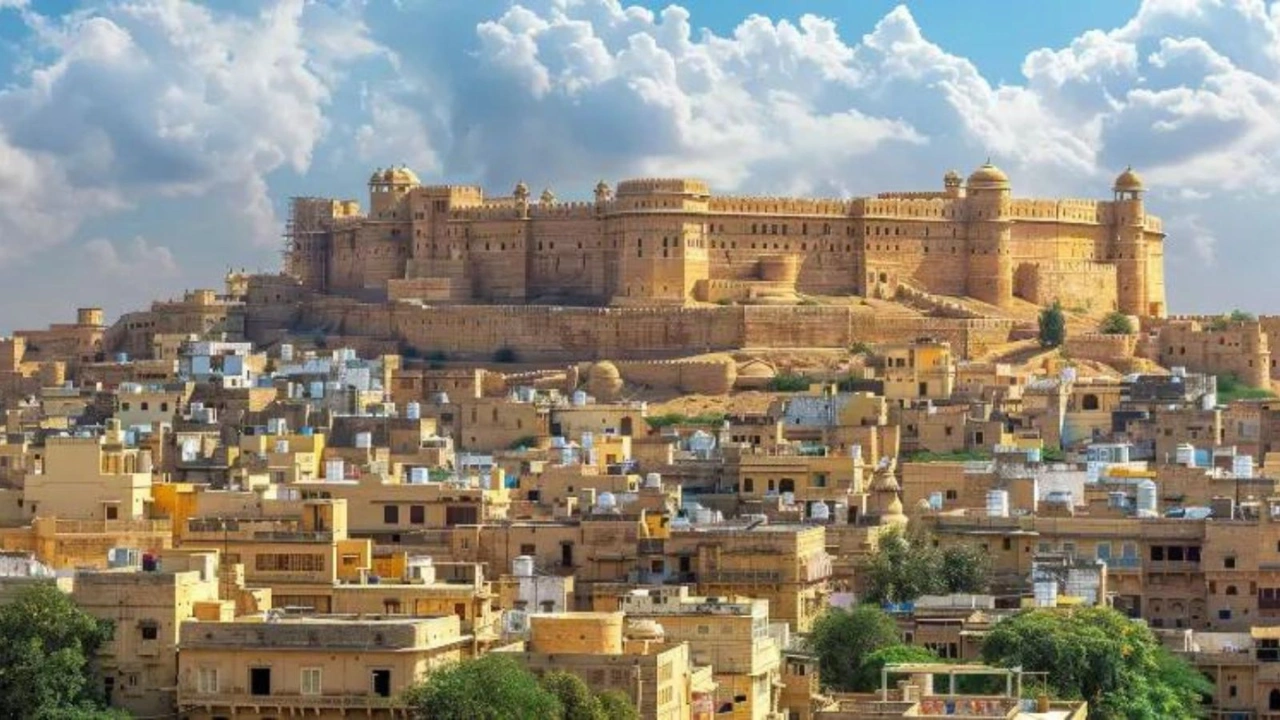
Jaisalmer Fort is one of the few "living forts" left in the world, meaning people still reside, run shops, and pray inside its walls rather than it existing only as a monument. Built from golden-yellow sandstone that glows almost amber at sunset, it sits at the edge of the Thar Desert and has earned its nickname, the Golden Fort, honestly.
Exploring the fort's narrow lanes, havelis, and Jain temples takes about two to three hours. It stays open from sunrise to sunset for general wandering, though specific temples and museums inside follow their own timings, usually 8:00 AM to 6:00 PM. Entry to the fort area itself is free, while individual attractions like the Jain temples or Fort Palace Museum charge separate small fees, typically under ?100 for Indian visitors.
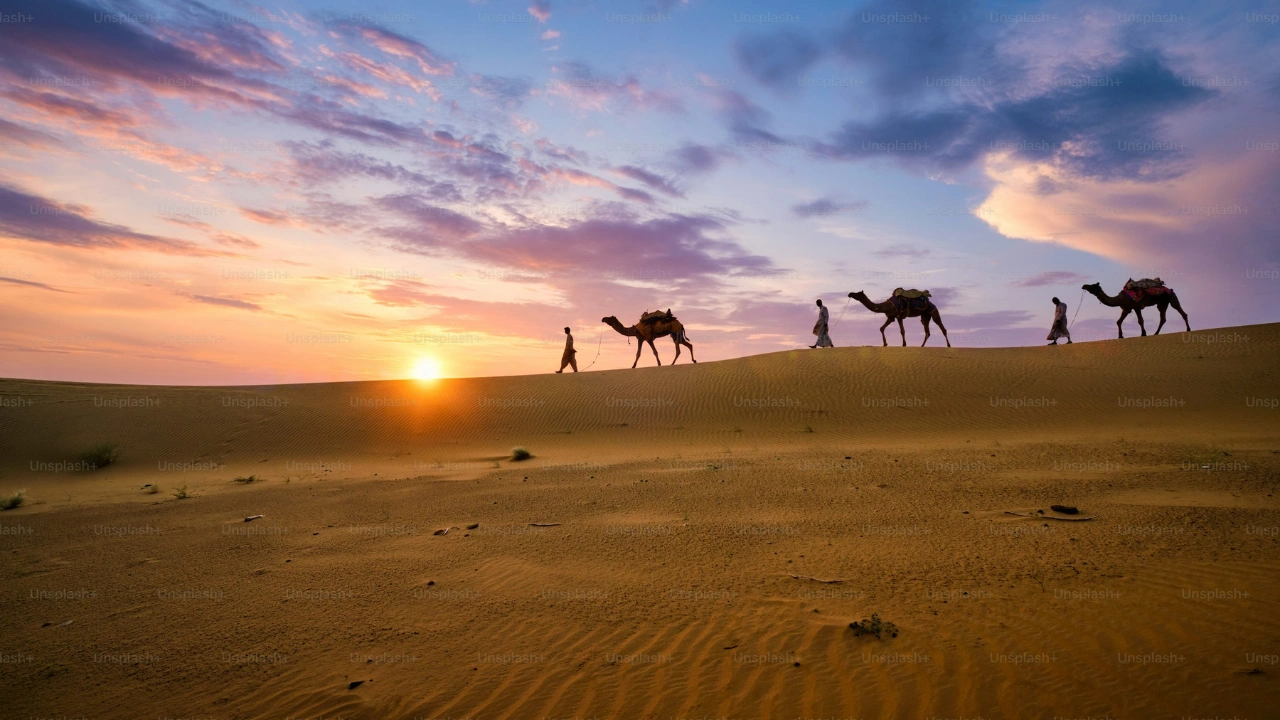
No trip here feels complete without heading into the dunes themselves. A well-planned Rajasthan Desert Safari Tour Package usually combines a camel or jeep ride across Sam Sand Dunes with an overnight desert camp, folk music around a bonfire, and a sunrise view that's genuinely hard to describe until you've seen it. These excursions generally run for a full evening to overnight stay and are priced by the tour operator rather than a fixed government rate.
Pushkar sits quietly around a sacred lake, and its rhythm feels noticeably slower than Rajasthan's bigger cities. It's home to one of the only Brahma temples in India, and the ghats surrounding the lake are used daily for prayer and ritual bathing, giving the whole town a gentle, spiritual undertone that visitors often mention long after they leave.
Most travelers spend around three to four hours here, enough time to walk the ghats, visit the Brahma Temple, and browse the town's markets known for silver jewelry and handmade textiles. The temple is generally open from 5:00 AM to 9:00 PM with a short midday closure, and there's no entry fee to visit, though donations are welcomed. If your dates line up with November, the Pushkar Camel Fair adds an entirely different layer of color and energy to the town.
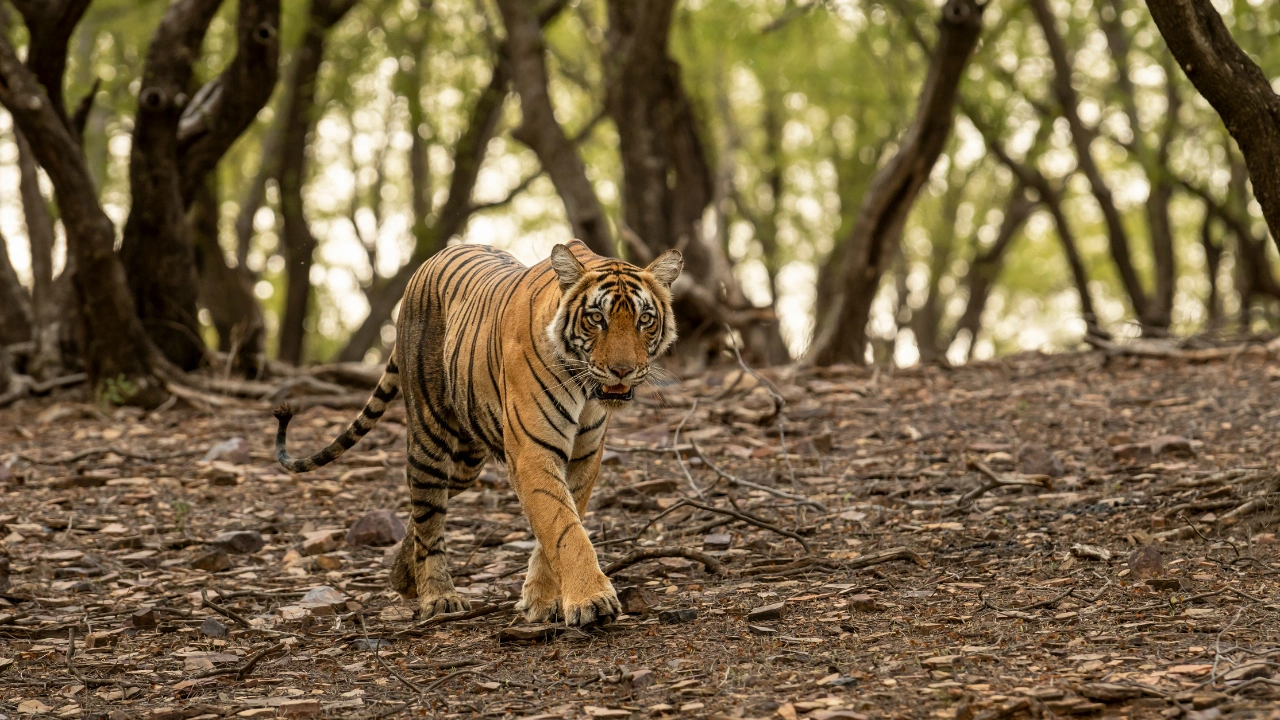
For travelers who want Rajasthan's wildlife alongside its heritage, Ranthambore delivers one of India's best chances at spotting a tiger in the wild. Once a royal hunting ground, the park now protects a healthy tiger population along with leopards, sloth bears, and crocodiles, all set against the ruins of a 10th-century fort that adds a striking backdrop to the safari.
A single safari drive runs about three to three and a half hours, and most visitors do at least two drives across different zones to improve their chances of a sighting. Safaris typically depart in two slots, early morning and late afternoon, and timings shift slightly with the season. Entry and safari costs vary by zone and vehicle type, generally ranging from ?1,000 to ?2,500 per person, with online booking recommended well in advance during peak months.
With so many forts, lakes, and desert stretches spread across the state, the real question isn't which places are worth seeing — it's how to fit them into the days you actually have. A Rajasthan Tour Itinerary 15 Days gives you the most breathing room, letting you cover Jaipur, Udaipur, Jodhpur, Jaisalmer, and smaller towns like Pushkar or Bundi without rushing between cities. If your schedule is tighter, a 12 Days Rajasthan Tour Package still comfortably covers the major highlights while trimming a few of the smaller detours.
For travelers who want a deeper focus on palaces, forts, and havelis rather than a broad sweep of the state, a 14 Days Rajasthan Heritage Tour Package is usually the better fit, built around the cities with the richest architectural history. And however long your trip runs, getting between cities matters just as much as the sightseeing itself — booking a Rajasthan Tour by Car and Driver takes the guesswork out of transport, letting you stop for photos, roadside dhabas, or an extra hour at a fort without watching a train timetable.
Rajasthan rewards travelers who slow down enough to notice the details — the carved sandstone jali screens, the smell of desert campfires, the particular blue of Jodhpur's old city at dusk. Whichever route you choose, the state has a way of turning even a short trip into something you'll keep talking about for years. At Maharaja Trails, our job is simply to help you see it the way it deserves to be seen, without the usual guesswork of timings, tickets, and travel days. If you're ready to start mapping out your own journey through forts, lakes, and dunes, we're happy to help you build it from the ground up.
October through March is generally the most comfortable window, with cooler daytime temperatures that make fort visits and desert excursions far more enjoyable than the peak summer months.
Most travelers find 10 to 15 days enough to comfortably see Jaipur, Udaipur, Jodhpur, and Jaisalmer without feeling rushed, though a 7-day trip can still cover the essentials if time is limited.
Jaipur is usually recommended for first-time visitors since it houses Amber Fort, Hawa Mahal, and City Palace within a compact area, giving a strong introduction to Rajasthan's architecture in a short time.
Yes, most desert camps offer both camel and jeep options along with cultural evenings, and operators can adjust the experience to suit younger travelers or those less comfortable with longer camel rides.
Yes, nearly every major fort, palace, and monument in Rajasthan charges a lower fee for Indian nationals and a higher fee for foreign visitors, sometimes with an additional charge for cameras or specific sections like museums.
A car with a driver offers far more flexibility for stops, photo breaks, and schedule changes, while trains work well for fixed long-distance routes; many travelers combine both depending on the leg of the journey.
Yes, Ranthambore fits naturally into itineraries that already include Jaipur, since it sits within a few hours' drive and adds a wildlife element to what is otherwise a heritage and architecture-focused trip.
Most major forts involve some walking on uneven stone surfaces and occasional stairs, though places like Amber Fort offer jeep or elephant rides partway up, and City Palace in Udaipur is relatively flat and easier to navigate.
Light, breathable clothing works for most of the year, along with a light jacket for winter evenings in the desert, comfortable walking shoes, sunglasses, and a scarf or hat for sun protection during fort visits.
Booking two to three months ahead is generally advisable, especially for winter travel dates and desert camps during peak season, since accommodations and safari slots fill up quickly between November and February.
Your email address will not be published. Required fields are marked *
Recent Post









0 Comments