Bundi, Rajasthan: The Quiet City Where India's History Waits to Be Discovered
By Jitendra Singh 07 Aug 2026 9 min read
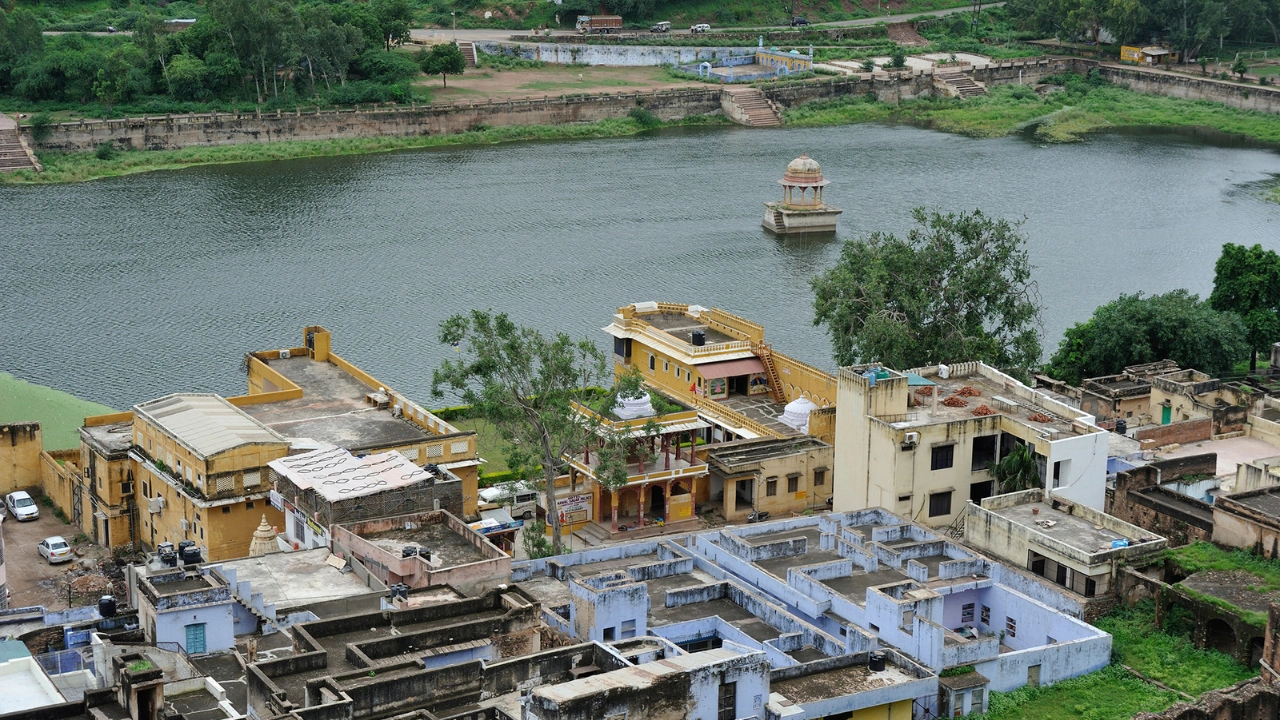
Somewhere between Jaipur's crowded bazaars and Udaipur's postcard lakes sits a small town most travelers skip entirely. Bundi doesn't shout for attention, and it doesn't need to. Tucked into the Aravalli hills of southeastern Rajasthan, this hidden gem in Rajasthan moves at its own unhurried pace, holding onto forts, painted palaces, and stepwells that have barely changed in centuries. If you've already ticked off the golden triangle and you're craving something that feels less staged and more real, Bundi might be exactly the detour you didn't know you needed.
Why Bundi Deserves a Spot on Your Rajasthan Itinerary
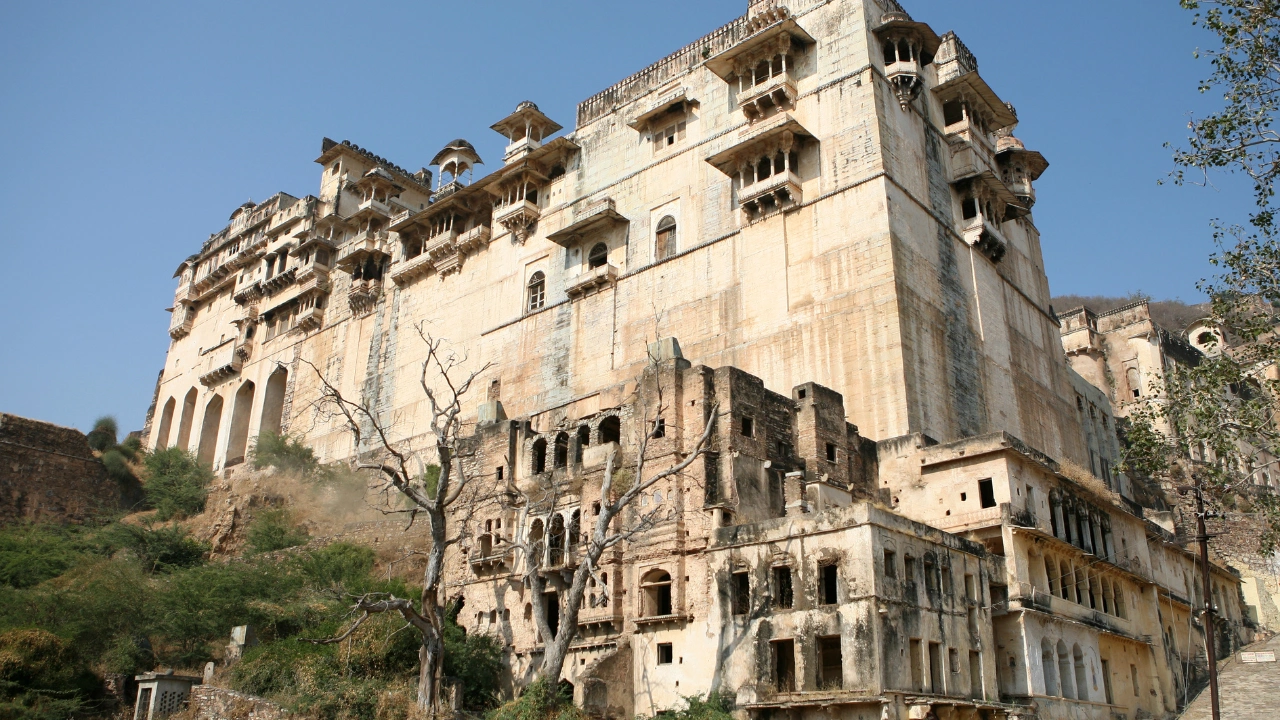
Most first-time visitors to India build their trip around Jaipur, Agra, and Udaipur, and they completely miss towns like this one. That's actually part of the appeal. Bundi remains an offbeat travel destination in India, the kind of place where you can wander narrow blue-washed lanes without dodging a hundred other tour groups. Rudyard Kipling passed through here, and locals will tell you the town's fort and lake found their way into Rudyard Kipling's Kim. Whether or not every detail of that story checks out, it says something about the atmosphere Bundi carries — timeless, a little mysterious, and quietly grand.
Taragarh Fort: The Star Fort Above the City
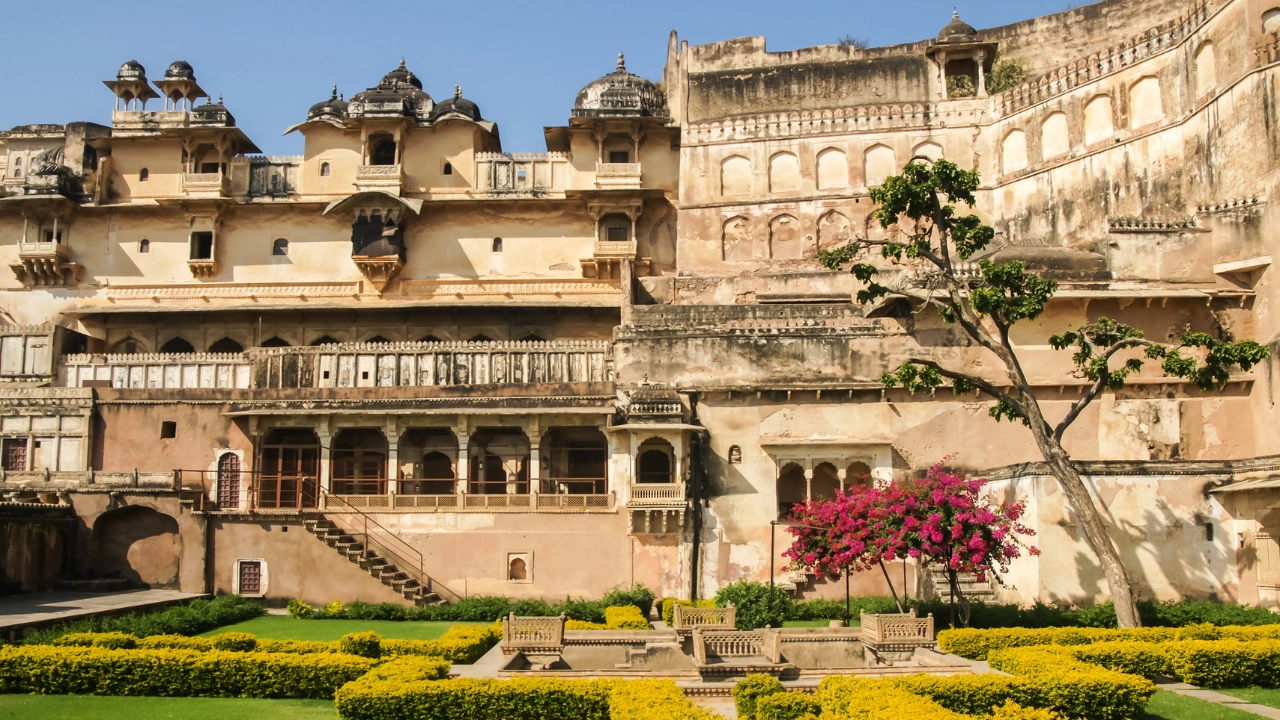
Perched on a hill above the city, Taragarh Fort dominates Bundi's skyline the way a crown sits on a king. Construction began in 1298 under Rao Deva Hada, though it was Rao Raja Surjan Hada who finally completed the fort in 1354. Climbing up takes some effort, especially in the afternoon heat, but the reward is a fort that still feels wild and unrestored compared to Rajasthan's more polished monuments. Locals often call it the "Star Fort" because of the tarah-shaped battlements built into its walls. From the ramparts, the entire town spreads out below in a wash of blue rooftops, and on clear evenings the fort glows gold under the setting sun — one of the finest photography spots in Rajasthan you'll find outside the usual tourist circuit.
Bundi Palace and Chitrashala: A Gallery Carved in Stone
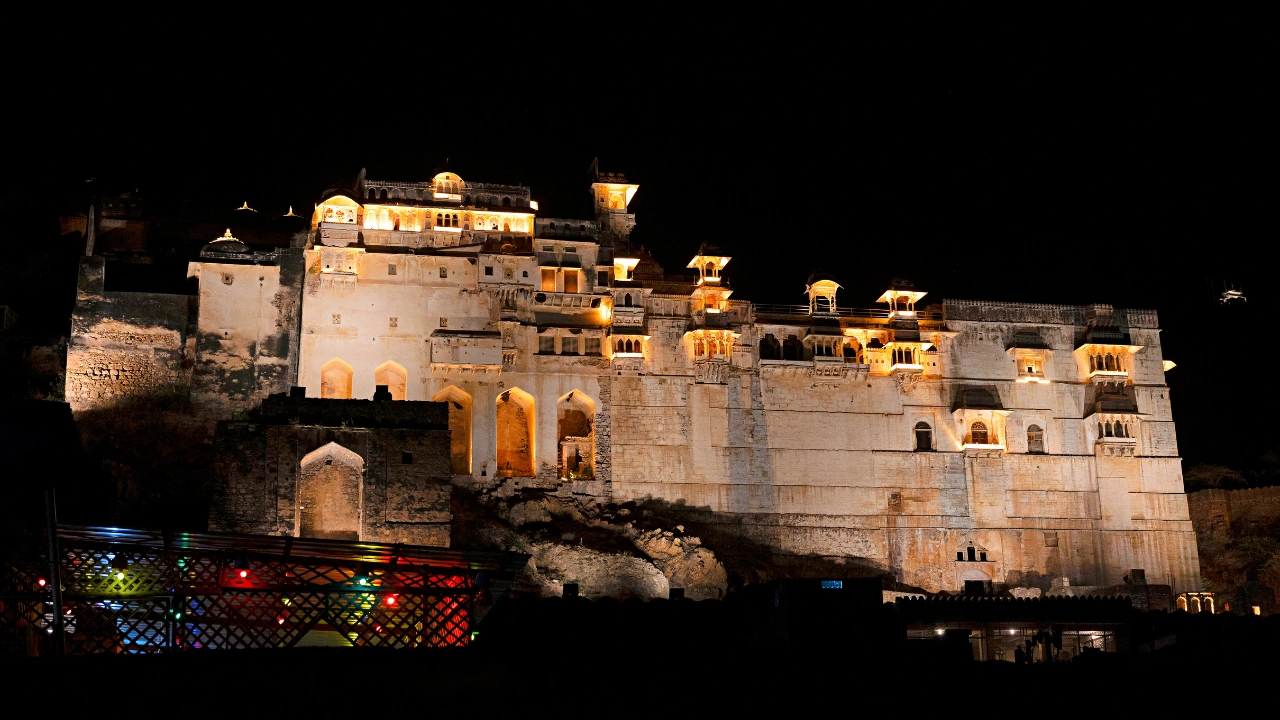
Attached to the base of Taragarh, Bundi Palace once served as the residence of the Hada Rajput rulers. Inside, a smaller wing known as Chitrashala houses some of the finest Rajasthani miniature paintings still surviving on their original walls rather than behind museum glass. Commissioned by Rao Ummed Singh, the frescoes depict scenes from Krishna's life, royal hunts, court gatherings, and processions, rendered in pigments that have faded gracefully instead of disappearing. Art historians rank this collection among the most important surviving examples of Bundi-style painting, distinct from the better-known Mewar and Marwar schools. Parts of the palace show real wear, but the Chitrashala frescoes remain remarkably intact, and walking through those rooms feels closer to stepping into a seventeenth-century court than reading about one in a textbook.
Sukh Mahal: Where a British Author Found His Muse
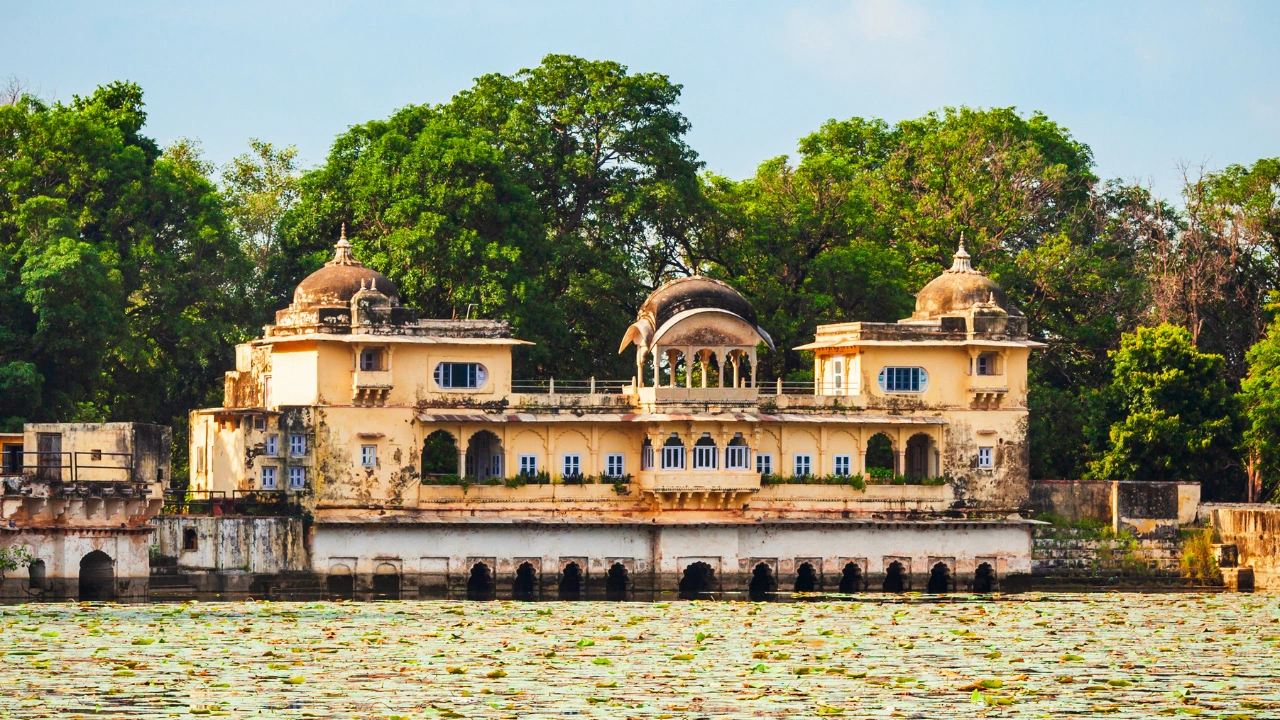
At the edge of Jait Sagar Lake sits Sukh Mahal, a smaller and more intimate palace built by Rao Raja Vishnu Singh around 1776. This is reportedly where Kipling once stayed, and the setting alone explains why it might have shaped his writing. Lotus flowers bloom across the lake between August and September, and the palace's reflection in the water during that season is hard to describe without sounding exaggerated — you really have to see it. It's a peaceful spot for an early morning walk, well away from the fort crowds, and it captures what slow travel in India actually looks like once a destination stops trying to sell you something at every turn.
Raniji ki Baori: The Queen's Stepwell
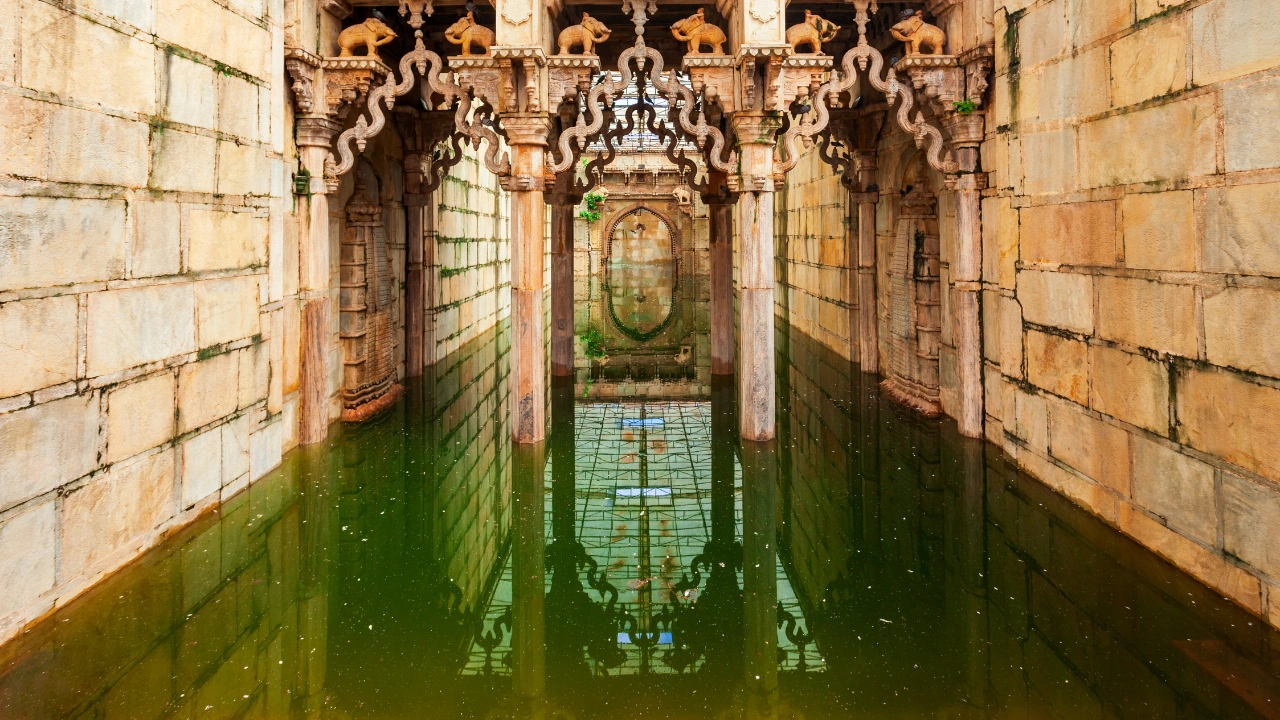
Bundi's stepwell architecture is arguably as impressive as its forts, and Raniji ki Baori is the finest example of it. Built by Rani Nathavatji, queen of Rao Raja Anirudh Singh, the stepwell descends deep into the earth through carved arches and pillared galleries. Beyond its practical role in ancient water conservation in India, it also functioned as a social space, especially for local women, who gathered here to draw water and exchange news of the day. The carvings along its walls rank among the finest in the region, which is exactly why it remains one of Bundi's most photographed landmarks.
84 Khambon ki Chhatri: The Cenotaph of Eighty-Four Pillars
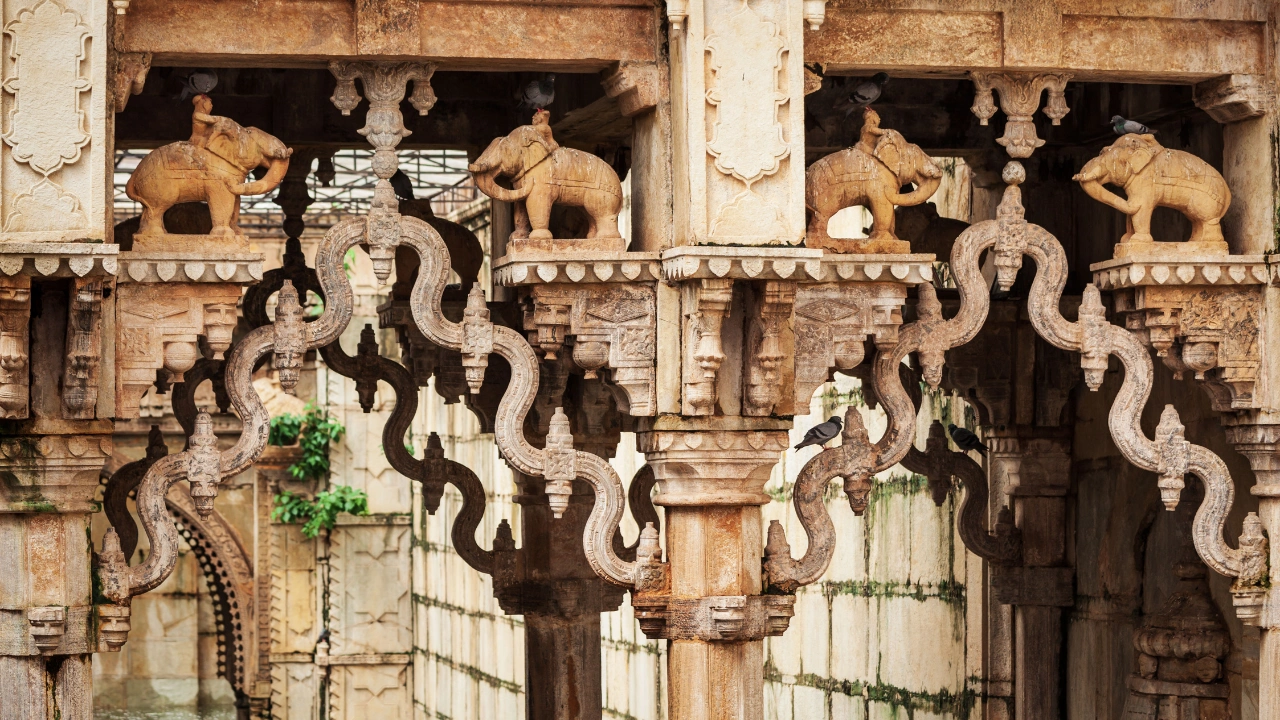
Named for its eighty-four carved columns, this 84-pillared cenotaph was built by Rao Anirudh Singh as a memorial to his wet-nurse, Deva. It's an unusual dedication for a monument of this scale, which makes the story behind it more interesting than most royal memorials in the state. A few pillars have shifted slightly out of alignment over the centuries, yet the structure has held together remarkably well, standing as quiet proof of the stonework skill Bundi's craftsmen were known for. When sunlight filters through the columns in the late afternoon, the courtyard is worth sitting in for a while, even if architecture usually isn't your thing.
Best Time to Visit Bundi
October through March is generally considered the best time to visit Bundi, when daytime temperatures stay comfortable enough for walking between monuments. Summers turn brutal here, often climbing past 45°C between April and June, so it's worth skipping that stretch unless heat genuinely doesn't bother you. If you're chasing the lotus bloom at Sukh Mahal, plan a monsoon trip to Rajasthan for August or September instead — just be ready for humidity and the occasional downpour.
How to Reach Bundi from the US
For travelers coming from the United States, the most practical route usually starts with a long-haul flight into Delhi or Mumbai, followed by a connection to Jaipur International Airport, roughly 214 kilometers from Bundi. From Jaipur, direct trains such as the Mewar Express run to Bundi, or you can hire a car for a smoother four-to-five-hour drive through the countryside. Alternatively, Kota Junction railway station sits only about 38 kilometers away and connects well if you're arriving from Mumbai or southern India, with regular buses and taxis covering the last stretch into town.
Where to Stay in Bundi
Because Bundi is compact, lodging options stay limited compared to Rajasthan's bigger cities — and that works in the town's favor. Several heritage hotels in converted havelis give guests a genuine sense of the town's architecture without the price tag attached to Udaipur's lakeside properties. For travelers who prefer something smaller and quieter, a handful of family-run boutique homestays offer home-cooked meals and local tips that no hotel concierge could ever match.
Final Thoughts
Bundi isn't trying to compete with Rajasthan's bigger names, and that's exactly why it's worth the trip. It carries its royal Rajput heritage without turning it into a performance, and it rewards visitors willing to slow down and actually look around. Whether you're drawn in by the frescoes, the stepwells, or simply the quiet, this unexplored corner of Rajasthan tends to stay with people long after they've left it. As more travelers search for responsible tourism options in India that don't overwhelm small communities, towns like Bundi offer a genuine alternative — proof that some of the richest slices of Indian cultural heritage are still waiting in places most tourists never think to look. Save it in your travel notes, take your time once you're there, and don't rush a single stop — this is one walking tour through old Rajasthan you won't want to forget.
Frequently Asked Questions
Q: Is Bundi safe for solo travelers from the US?
A: Yes. Bundi is one of the calmer, safer towns in Rajasthan for solo travel. It's small, walkable, and far less crowded than Jaipur or Agra, which makes it easier to navigate on your own. Normal travel precautions still apply, but most visitors describe the town as relaxed and welcoming.
Q: How many days should I plan for Bundi?
A: Two full days is usually enough to see Taragarh Fort, Bundi Palace, Sukh Mahal, and the main stepwells without rushing. If you enjoy slower travel or want time to wander the old town on foot, three days gives you a bit more breathing room.
Q: Is Bundi worth visiting if I've already seen Jaipur and Udaipur?
A: Absolutely. Bundi feels noticeably different from both — quieter, less commercial, and more focused on original architecture than curated tourist experiences. Many travelers actually rank it as a highlight precisely because it doesn't feel like the rest of the golden triangle.
Q: What is Bundi famous for?
A: Bundi is best known for Taragarh Fort, the painted Chitrashala frescoes inside Bundi Palace, its stepwells like Raniji ki Baori, and its connection to author Rudyard Kipling, who is believed to have drawn inspiration from the town during his time in India.
Q: Can I visit Bundi as a day trip from Jaipur?
A: It's possible but not ideal. The drive alone takes around four to five hours each way, so a day trip leaves very little time to actually explore the fort, palace, and stepwells properly. An overnight stay is a much better way to experience the town.
Q: Are Taragarh Fort and Bundi Palace the same place?
A: No, though they're connected. Taragarh Fort sits on the hilltop above the town, while Bundi Palace lies at its base, built into the hillside just below the fort. Many visitors explore both in a single visit since they're within easy walking distance of each other.
Q: What should I pack for a trip to Bundi?
A: Comfortable walking shoes are essential given the steep climbs at the fort. Pack lightweight, breathable clothing for warmer months, a light jacket for winter evenings, sunscreen, a reusable water bottle, and a scarf or shawl for visiting temples and stepwells respectfully.
Q: Is English widely spoken in Bundi?
A: English is understood at most hotels, restaurants, and by local guides, though it's less universal than in bigger tourist hubs like Jaipur. Learning a few basic Hindi phrases goes a long way and is generally appreciated by locals.
Q: Do I need a guide to visit the fort and palace?
A: A guide isn't mandatory, but it does add a lot of context, especially inside Chitrashala, where the stories behind the frescoes aren't always explained on-site. Local guides can be hired at the entrance for a reasonable fee and are worth it for history lovers.
Q: What's the connection between Bundi and Rudyard Kipling?
A: Kipling is believed to have stayed near Sukh Mahal during a visit to Bundi, and local tradition holds that the town's lake and fort influenced settings in his novel Kim. While historians debate the exact details, the association has become part of Bundi's identity.
Jitendra Singh - Maharaja Trails
Maharaja Trails travel experts share authentic travel guides, itineraries and insider tips for exploring India including Delhi, Agra, Jaipur and the Golden Triangle. Our goal is to help travellers experience India's culture, history and heritage in the best possible way.
0 Comments
Leave a Reply
Your email address will not be published. Required fields are marked *