Kishangarh, Rajasthan: The Marble City Where Even the Slurry Ponds Look Like Art
By Jitendra Singh 10 Aug 2026 8 min read
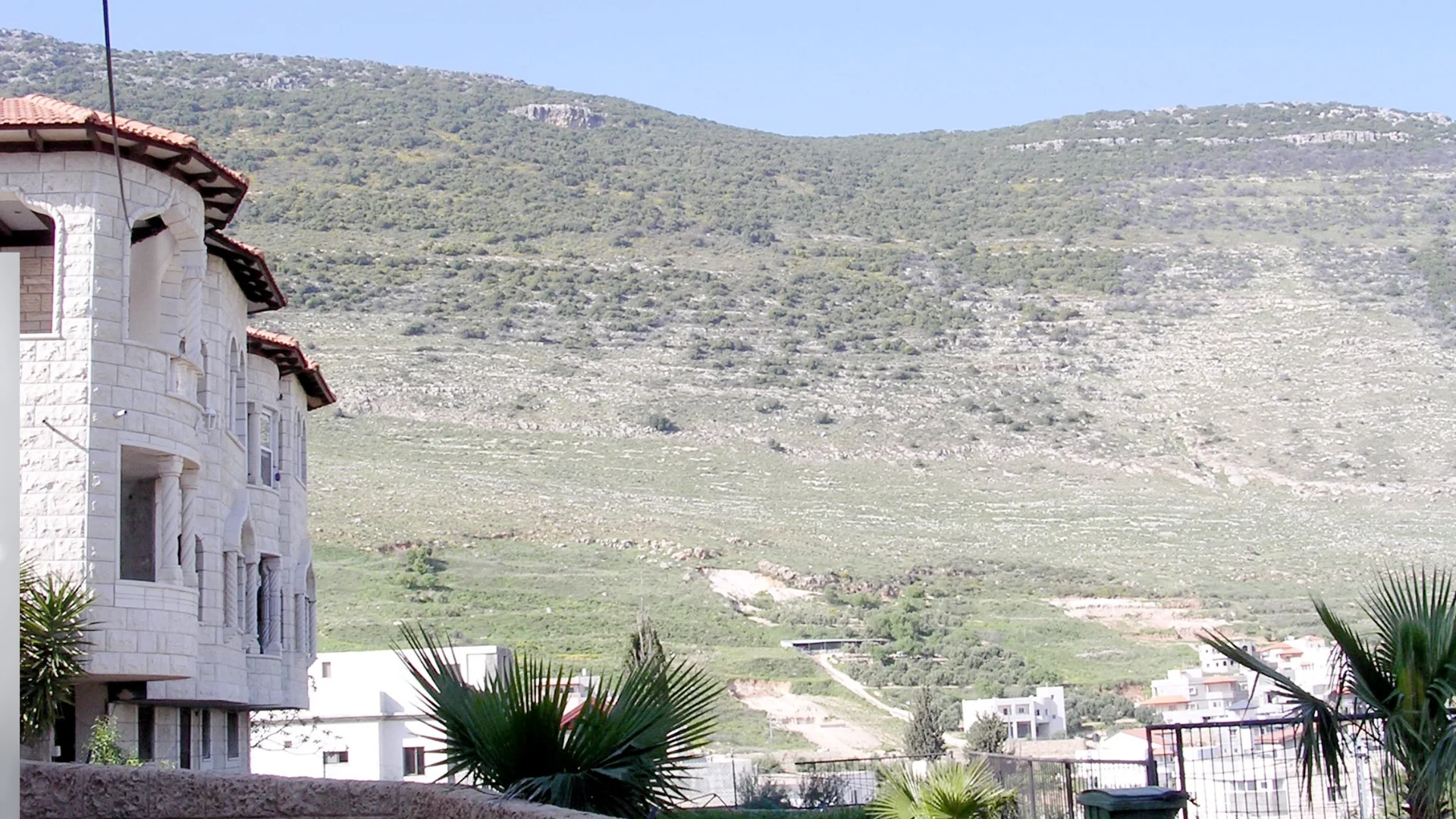
I'll be honest, when a friend first told me she was planning a trip to Kishangarh in Rajasthan, my first thought was: isn't that just a marble town? And technically, yes, it is. But that's exactly what makes it one of the strangest and most photogenic offbeat destinations in Rajasthan. This is a place where an industrial waste pond has, against all odds, turned into one of the most Instagrammed spots in the state, and where centuries-old forts sit quietly a few miles from a booming marble trade. If you're building a Rajasthan travel guide that goes beyond Jaipur and Udaipur, Kishangarh deserves a real look.
Located near Ajmer, Kishangarh was founded by Prince Kishan Singh, the second son of the Marwar (Jodhpur) royal family, who wanted a kingdom of his own. That backstory alone gives the town a certain scrappy charm, and it shows in the mix of heritage architecture, temple culture, and a marble industry so massive it has literally reshaped the landscape around the city.
The Marble Dumping Yard: Kishangarh's Strangest, Most Beautiful Secret
Let's start with the reason most people now search for things to do in Kishangarh: the marble dumping yard, also called the marble slurry pond. Kishangarh is one of the largest marble and granite trading hubs in Asia, and for decades this particular patch of land was simply used to dump leftover marble slurry, essentially the powdery waste from cutting and polishing stone.
Over time, something unplanned happened. The white marble waste settled into the earth and created a surreal, snow-white landscape, while the water pooled into pockets of impossibly turquoise-blue color. It genuinely looks like a glacier lake dropped into the middle of the Rajasthan desert. Photographers and Instagram influencers began flocking to the site, and slowly this marble waste site turned tourist attraction became one of the top reasons people now add Kishangarh to their India itinerary.
It's worth knowing this is still an active industrial zone, not a manicured tourist park, so go with sensible footwear, avoid wading into the pools, and keep an eye on your footing near the slurry banks. Early morning or late afternoon light gives you the best contrast between the white marble dust and the blue-green water, so plan your visit accordingly if photography is your main goal.
Phool Mahal Palace: A Royal Residence Turned Heritage Hotel
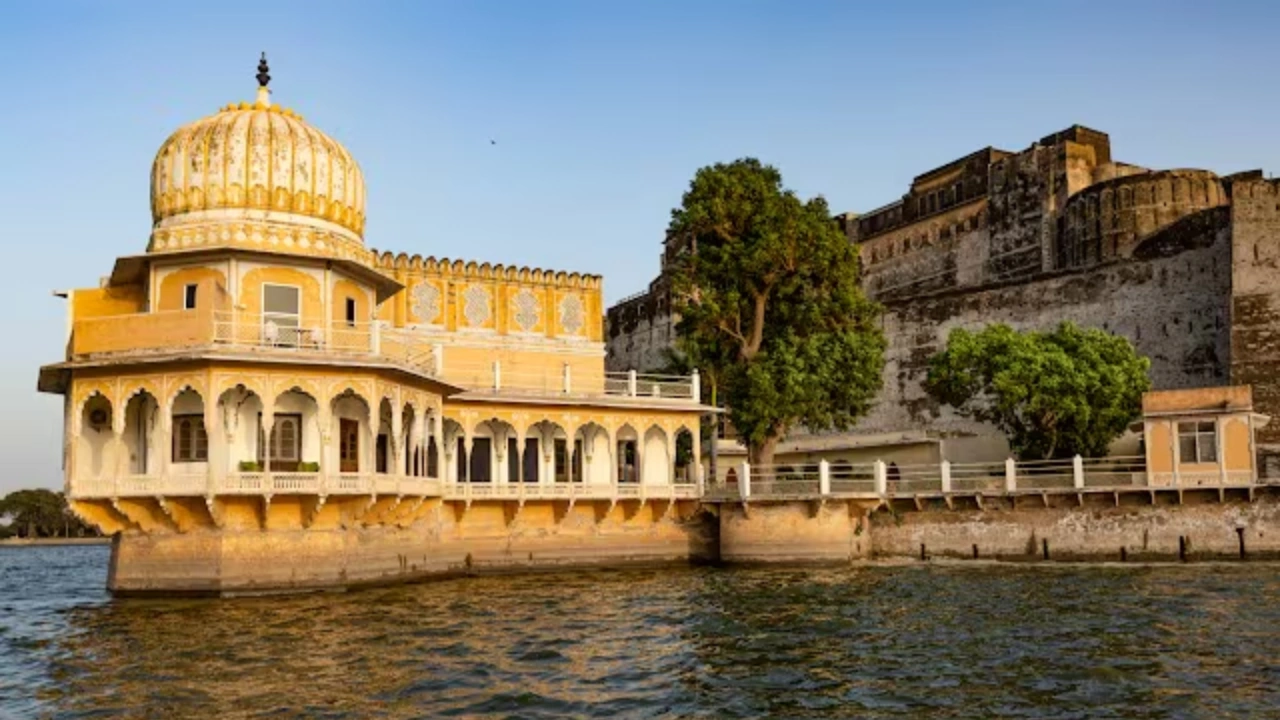
Near the marble yard sits the Phool Mahal Palace, once the private property of the royal family and now converted into a heritage hotel. Even if you're not staying there, it's worth swinging by to admire the architecture: elaborately carved stonework, sweeping courtyards, and a design that hasn't strayed too far from its royal roots.
For travelers who want an authentic Rajasthan heritage hotel experience without the crowds of Udaipur or Jodhpur, spending a night here is a genuinely underrated option. You get the same old-world grandeur, just with far fewer tourists competing for the same photo.
Kishangarh Fort: Where the Famous Bani Thani Painting Was Born
No trip here is complete without visiting Kishangarh Fort, built in 1649 by Maharaja Singh. It's a massive structure overlooking the old city, and although the general public can't wander through the whole complex, the Phool Mahal wing within the fort is open to guests and gives you a real sense of its scale.
Here's the detail that art lovers should know: Kishangarh is the birthplace of the legendary Bani Thani painting, a miniature portrait created around 1750-1760 by artist Nihalchand, believed to depict a court singer named Bani Thani. In 1973, this image was even featured on an Indian postage stamp. If you have any interest in the Kishangarh school of miniature painting, this fort is essentially the origin point of that entire art movement, and it's a strong argument for including Kishangarh in any serious Rajasthan art and culture tour.
Old Kishangarh City: Havelis, Bazaars, and Street Food Worth Detouring For
Behind Kishangarh Fort lies the old city, a maze of narrow lanes lined with grand old havelis and shops that have clearly been trading for generations. This is the part of Kishangarh that feels closest to a living, breathing Rajasthani town rather than a tourist checklist item.
If you're a food traveler, do not skip the local sweets and namkeen shops in this area. The makhan vada in particular is something locals rave about, and honestly, it's the kind of snack that makes a wandering afternoon worth it on its own.
Navgrah Mandir: A Temple Dedicated to the Nine Planets
Right near the old city bazaar sits the Navgrah Mandir, a temple dedicated to the nine celestial bodies in Hindu astrology, the navgrahas. It's considered one of the more spiritually significant temples in Kishangarh, and the surroundings are genuinely peaceful, with quiet gardens that make it a nice place to pause between stops on a busy sightseeing day.
Roopangarh Fort: The Day Trip Worth Taking
About 27 kilometers from Kishangarh is Roopangarh Fort, another royal property that's been partly converted into a hotel while still preserving its original walls and character. If you have an extra half-day, this makes for a scenic short drive and a good look at how Rajasthan's smaller forts turned into heritage hotels are keeping local history alive while generating income for their upkeep.
Planning Your Trip: Best Time to Visit, How to Reach Kishangarh, and Where to Stay
Best time to visit Kishangarh
The ideal window is October through March, when temperatures are pleasant enough for walking around forts and the marble yard. If you love lush, green landscapes, July through September brings the monsoon and turns the surrounding countryside noticeably greener, though it can also mean occasional rain disruptions. April to June gets brutally hot, so it's best avoided unless you're used to desert heat.
How to reach Kishangarh
Kishangarh is well connected by air, rail, and road. Kishangarh Airport runs limited domestic flights, though for wider connectivity most travelers fly into Jaipur and continue by road. By train, Kishangarh sits directly on the Delhi-Ajmer Shatabdi and Vande Bharat Express routes, both of which make it an easy stop. By road, regular bus services connect Kishangarh with Jaipur, Ajmer, and other nearby cities, and it's a comfortable drive if you're doing a Rajasthan road trip itinerary.
Where to stay in Kishangarh
Thanks to its royal past, Kishangarh has a genuinely nice range of heritage hotels, including Phool Mahal Palace and Roopangarh Fort, alongside more modern hotels and lodges near the marble market for travelers who prefer standard amenities. Whatever your budget, you'll find something reasonably close to the main sights.
Final Thoughts: Why Kishangarh Deserves a Spot on Your Rajasthan Itinerary
Kishangarh isn't going to replace Jaipur's City Palace or Udaipur's lake views, and it doesn't need to. What it offers is something different: a working marble town that accidentally created a natural wonder, a fort that gave birth to one of India's most iconic paintings, and quiet corners of old-city charm that most tourists never see. If you're chasing genuinely offbeat places to visit in Rajasthan, this is one detour that actually earns the hype.
Frequently Asked Questions About Visiting Kishangarh
Is Kishangarh worth visiting for tourists?
Yes. Beyond being one of India's biggest marble trading hubs, Kishangarh has a surreal marble dumping yard, a royal fort, heritage palaces, and the birthplace of the famous Bani Thani painting, making it a solid stop for anyone exploring offbeat Rajasthan destinations.
What is the marble dumping yard in Kishangarh?
It's a site where leftover marble slurry waste has settled into white, snow-like terrain with pools of striking turquoise water, unintentionally creating one of the most photographed spots in the region.
Is it safe to visit the marble slurry pond?
It's generally safe if you stay on stable ground, wear closed shoes, and avoid stepping directly into the water or soft slurry banks, since it's still an active industrial area rather than a landscaped park.
What is the best time to visit Kishangarh?
October to March offers the most comfortable weather for sightseeing. July to September brings monsoon greenery, while April to June is very hot and best avoided.
How do I reach Kishangarh from Jaipur or Delhi?
Kishangarh has its own airport with limited flights, sits directly on the Delhi-Ajmer Shatabdi and Vande Bharat Express train routes, and is well connected by road and regular bus services from Jaipur, Ajmer, and nearby cities.
What is Kishangarh famous for besides marble?
It's historically known as the birthplace of the Bani Thani painting, a celebrated 18th-century miniature artwork, and for its royal forts and palaces built by the Kishangarh royal family.
Can you stay inside a real palace in Kishangarh?
Yes. Both Phool Mahal Palace and Roopangarh Fort have been converted into heritage hotels, letting visitors stay within genuine royal architecture.
Is Kishangarh Fort open to the public?
The fort itself is largely private, but the Phool Mahal section within the fort is accessible to guests, giving visitors a look at its historic interiors.
What local food should I try in Kishangarh?
Don't miss the makhan vada and other traditional sweets and namkeen sold in the old city bazaar near Navgrah Mandir; it's a favorite among locals and a great way to experience everyday Kishangarh.
How far is Roopangarh Fort from Kishangarh, and is it worth a day trip?
Roopangarh Fort is about 27 kilometers from Kishangarh, roughly a 30 to 40 minute drive, and makes for a worthwhile half-day trip if you want to see another well-preserved royal fort turned heritage hotel.
Jitendra Singh - Maharaja Trails
Maharaja Trails travel experts share authentic travel guides, itineraries and insider tips for exploring India including Delhi, Agra, Jaipur and the Golden Triangle. Our goal is to help travellers experience India's culture, history and heritage in the best possible way.
0 Comments
Leave a Reply
Your email address will not be published. Required fields are marked *