Beyond the Golden Triangle: 7 Underrated Places in India Tourists Miss
By Jitendra Singh 17 Aug 2026 10 min read
Ask any first-time visitor about their India travel plans, and you'll almost always hear the same three names: Delhi, Agra, Jaipur. The Golden Triangle tour has become so synonymous with "visiting India" that most tourists never even consider what lies beyond it. And look, there's a good reason the Golden Triangle is popular — the Taj Mahal is genuinely breathtaking, and Jaipur's forts are stunning. But India is a country of 28 states and multiple union territories, each with its own culture, food, and landscape. Sticking to just three cities is like visiting Europe and only seeing Paris.
If you're someone who wants a trip that feels less like a checklist and more like actual discovery, this list is for you. These are seven offbeat destinations in India that consistently blow travelers away, yet rarely make it onto a standard tourist itinerary.
Why Tourists Keep Missing the Real India
Part of the reason the Golden Triangle dominates every "India travel guide" is simple: convenience. Delhi has the major international airport, Agra and Jaipur are both a manageable drive away, and travel agencies have packaged this route for decades. It's efficient, well-tested, and low-risk for someone visiting India for the first time.
But convenience isn't the same as completeness. Beyond this well-worn circuit lies a version of India that most tourists genuinely never see — ancient ruined empires, cold desert valleys, tribal river islands, and beach towns that still feel undiscovered. These hidden gems in India offer something the Golden Triangle simply can't: a sense that you're experiencing the country on your own terms, not following a script millions of others have followed before you.
Hampi, Karnataka — India's Ancient Ruined Empire
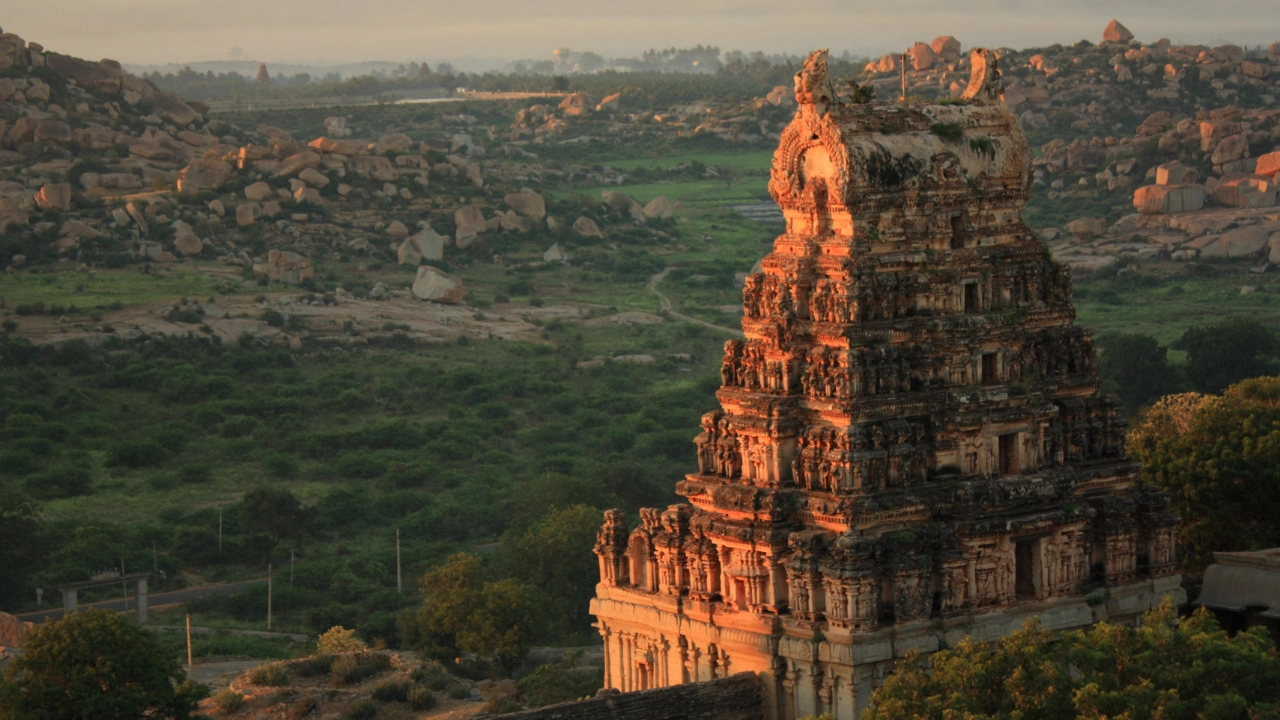
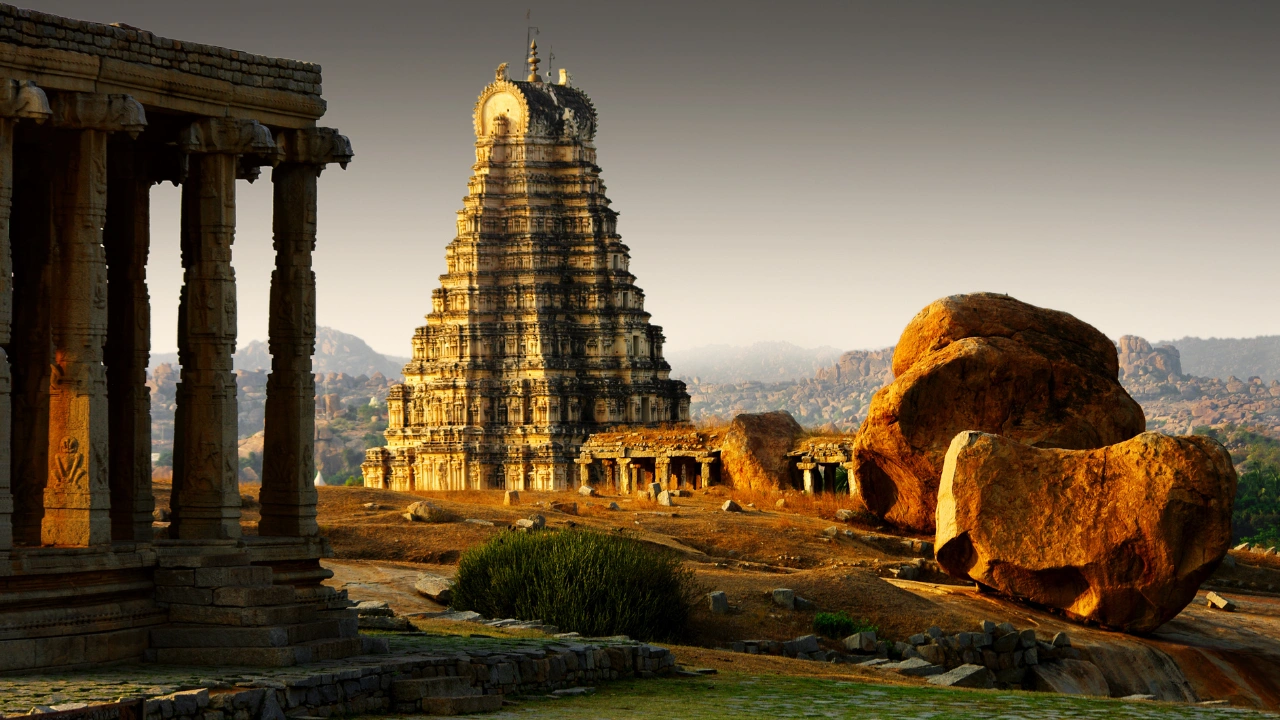
Hampi looks like something out of a fantasy movie. Scattered across a boulder-strewn landscape in northern Karnataka are the ruins of Vijayanagara, once one of the richest and most powerful empires in medieval India. Wandering through the crumbling temples, stone chariots, and ancient marketplaces here feels like stepping into another century entirely.
What makes Hampi special is the sheer scale combined with how peaceful it still feels. Unlike more crowded heritage sites, you can genuinely explore in relative solitude, especially early in the morning. The best time to visit is between October and February, when temperatures are cooler and more comfortable for walking around the ruins. The nearest airport is in Hubli, roughly a two-hour drive away, though many travelers also arrive by overnight train from Bengaluru or Goa.
Spiti Valley, Himachal Pradesh — India's Cold Desert
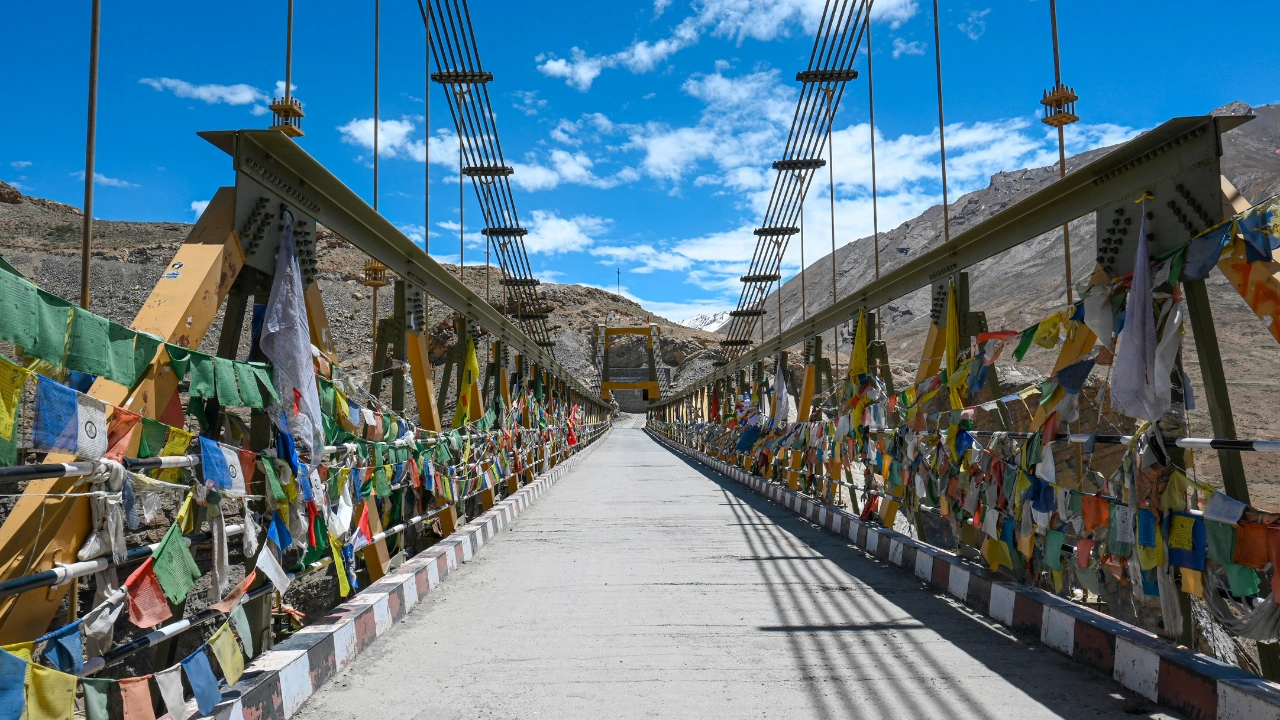
If the Golden Triangle represents historic India, Spiti Valley represents raw, untouched India. Tucked away in the Himalayas, this high-altitude cold desert looks almost lunar, with barren mountains, ancient Buddhist monasteries, and tiny villages that seem frozen in time.
Spiti isn't the easiest place to reach, and that's exactly the point. The remote destinations in India category doesn't get much more dramatic than this. Roads here are rough, altitude sickness is a real concern, and mobile network is patchy at best. But for travelers seeking something far removed from typical tourist infrastructure, Spiti delivers an experience that's hard to replicate anywhere else. The best window to visit is between June and September, when mountain passes are open and accessible.
Chettinad, Tamil Nadu — Mansions, Heritage, and Food
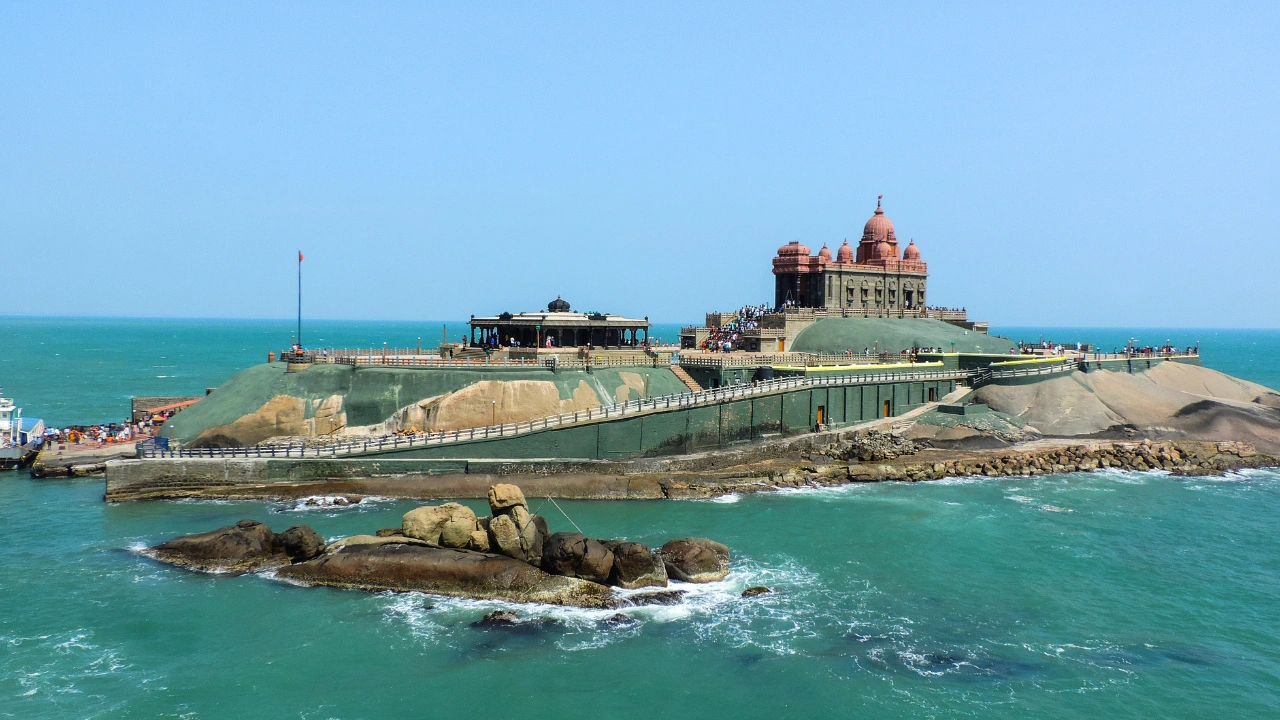
Chettinad is one of those places that surprises even seasoned India travelers. This region in Tamil Nadu is home to hundreds of grand, ornately decorated mansions built by wealthy merchant families over a century ago. Many of these homes feature imported Italian marble, Belgian glass, and intricate woodwork that reflects a level of craftsmanship rarely seen elsewhere in the country.
Beyond the architecture, Chettinad is famous for its cuisine — spicy, aromatic, and distinct from other South Indian food traditions. If you care about culinary tourism in India, this region alone is worth the detour. The best time to visit is between November and February, avoiding the intense heat of Tamil Nadu's summer months.
Majuli, Assam — The World's Largest River Island
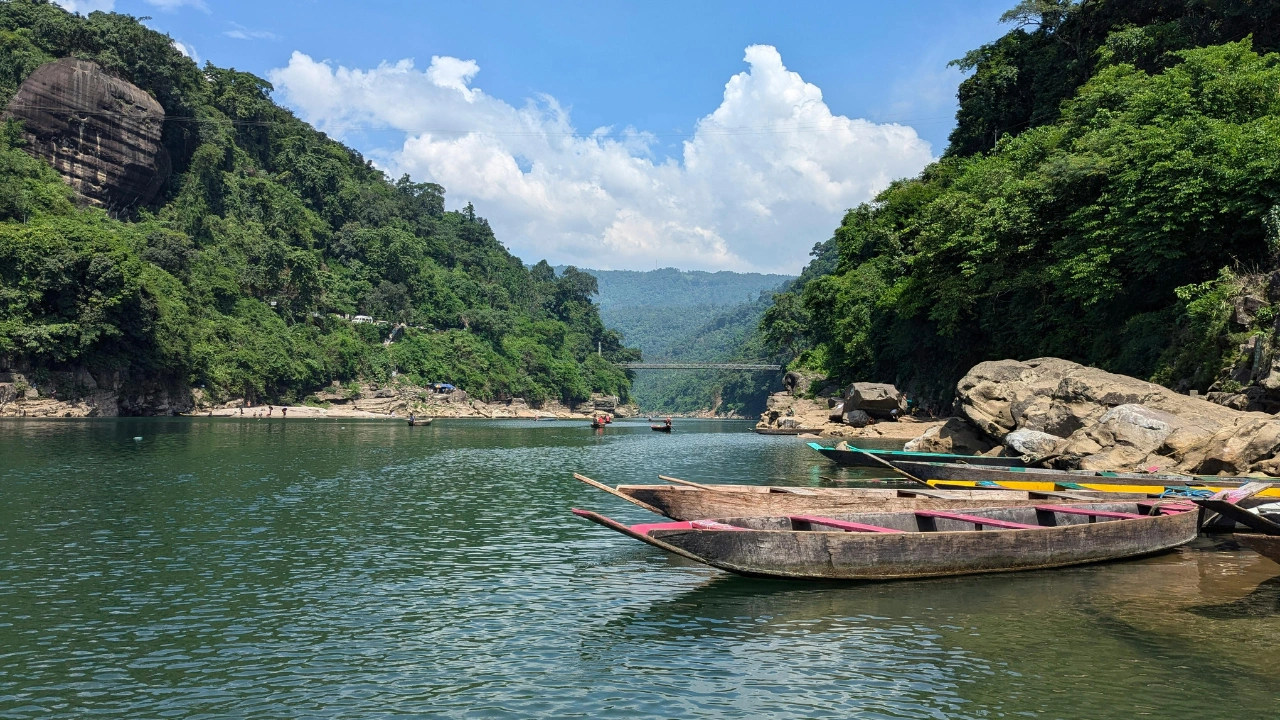
Sitting in the middle of the Brahmaputra River, Majuli is a place most Indians haven't even visited, let alone international tourists. This river island in Assam is home to a unique Vaishnavite culture, with monasteries known as "satras" that have preserved centuries-old traditions of dance, music, and mask-making.
Majuli offers a rare glimpse into tribal culture in India and a slower, more grounded way of life shaped by the rhythms of the river. Getting here requires a ferry ride from Jorhat, which itself is part of the charm. The island is best visited between October and March, when the weather is pleasant and the risk of flooding from monsoon rains has passed.
Gokarna, Karnataka — The Quieter Alternative to Goa
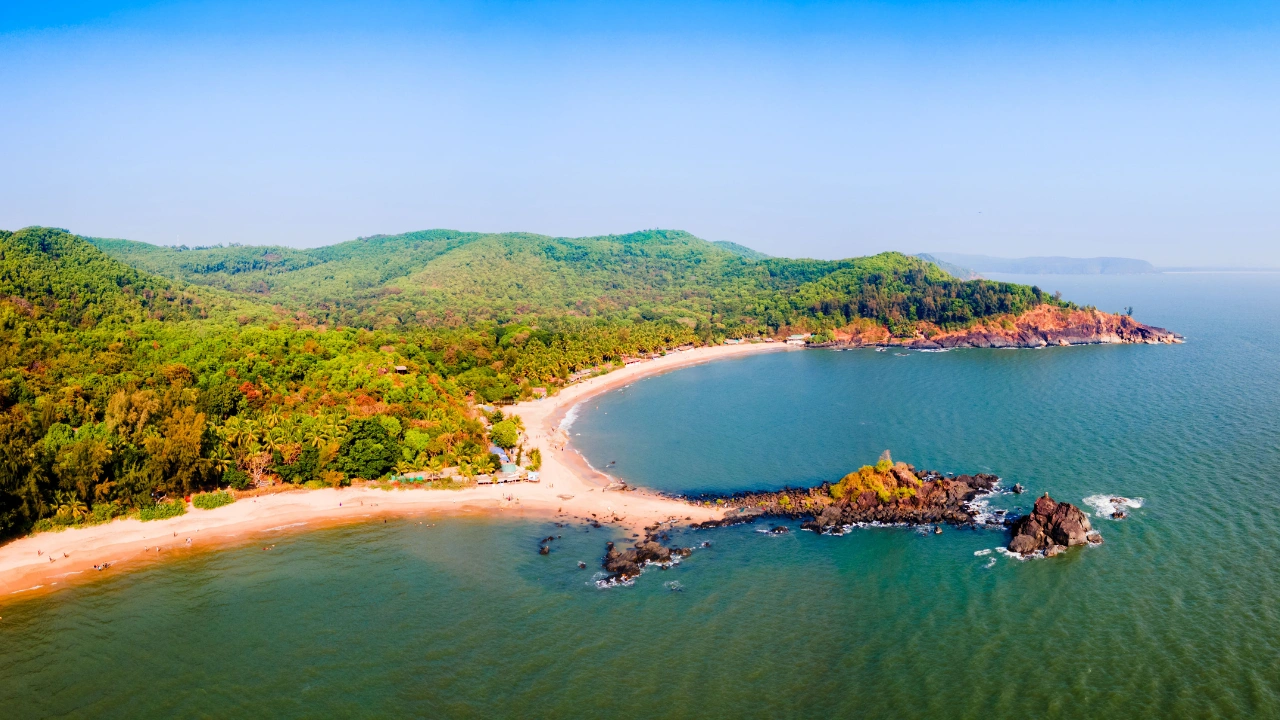
For travelers who want beaches without the crowds, nightclubs, and inflated prices of Goa, Gokarna is the answer. This small coastal town has a handful of stunning, relatively untouched beaches connected by scenic cliffside trails, along with a laid-back atmosphere that feels worlds apart from its more famous neighbor.
Gokarna also holds religious significance as a pilgrimage town, so it offers an interesting blend of spiritual tourism and beach relaxation. As one of the more accessible underrated beach towns in India, it's ideal for travelers who want a peaceful coastal escape. The best time to visit is between October and March, before the summer heat sets in.
Khajuraho, Madhya Pradesh — Temples Beyond the Stereotype
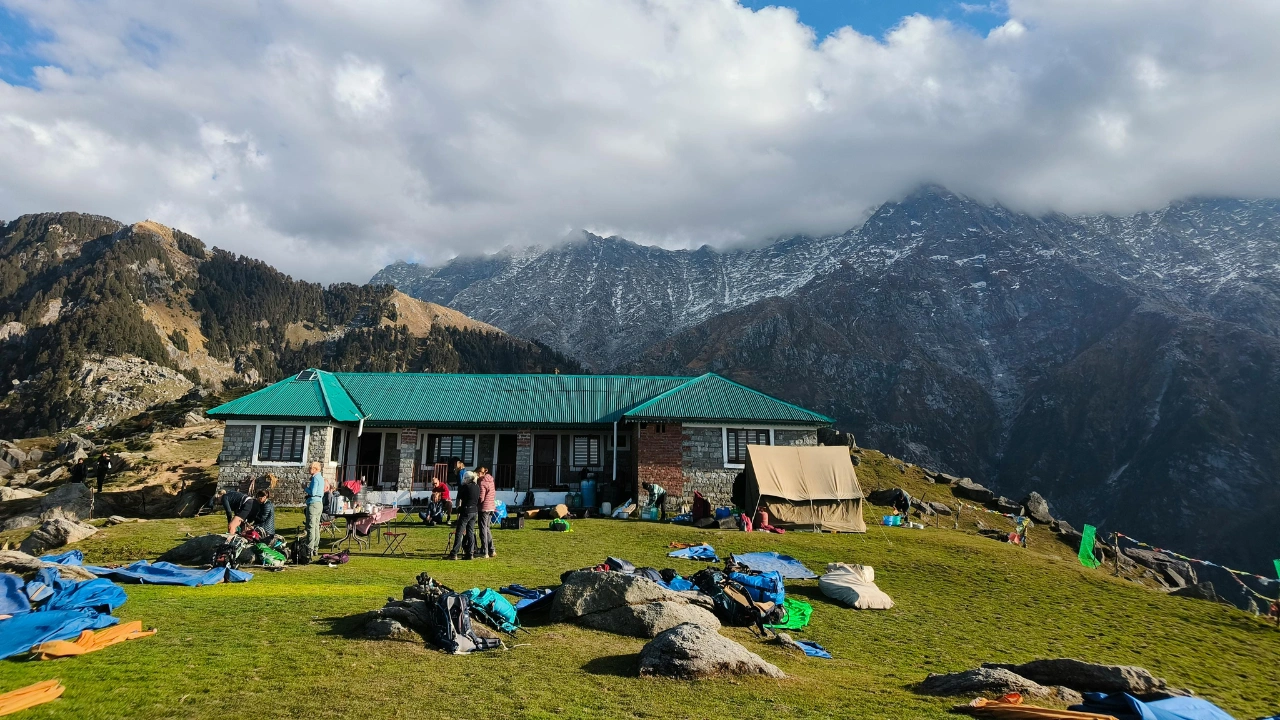
Most people who've heard of Khajuraho know it for one thing: its intricately carved erotic sculptures. But reducing this UNESCO World Heritage Site to that single detail misses the bigger picture entirely. Khajuraho's temple complex, built over a thousand years ago, is a masterpiece of medieval Indian architecture and sculpture, depicting everyday life, mythology, and spirituality in remarkable detail.
Visiting here offers a much richer understanding of medieval Indian temple architecture than most guidebooks suggest. The site is relatively less crowded than similarly significant monuments, giving visitors more space and time to actually appreciate the craftsmanship. The best time to visit is between October and March, and the nearest airport has direct flights from Delhi.
Ziro Valley, Arunachal Pradesh — India's Hidden Northeast Gem
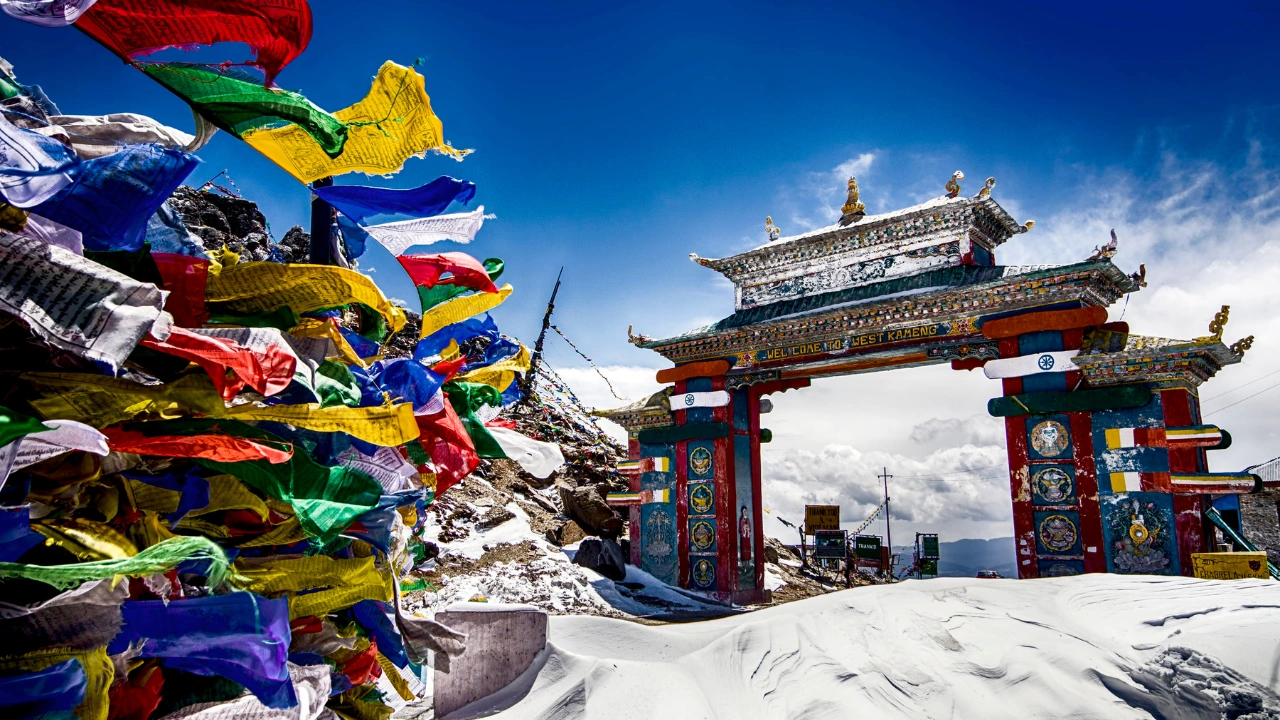
Tucked away in India's often-overlooked northeast, Ziro Valley is home to the Apatani tribe, known for their unique facial tattoos and nose plugs (a tradition now mostly seen among older generations) and their sustainable rice-fish farming system, which is recognized globally for its ecological ingenuity.
Ziro is also home to the Ziro Music Festival, an increasingly popular event that draws independent musicians and travelers from across the country. As one of the more genuinely undiscovered northeast India travel destinations, it offers lush green landscapes, warm local hospitality, and a culture that feels completely distinct from mainland India. The best time to visit is between March and October, avoiding the harsh winter months.
Quick Comparison: Offbeat Destinations at a Glance
|
Destination |
State |
Best Time to Visit |
Known For |
Nearest Airport |
|
Hampi |
Karnataka |
Oct–Feb |
Ancient ruins, temples |
Hubli |
|
Spiti Valley |
Himachal Pradesh |
Jun–Sep |
Cold desert, monasteries |
Bhuntar (Kullu) |
|
Chettinad |
Tamil Nadu |
Nov–Feb |
Heritage mansions, cuisine |
Madurai |
|
Majuli |
Assam |
Oct–Mar |
River island, tribal culture |
Jorhat |
|
Gokarna |
Karnataka |
Oct–Mar |
Quiet beaches, pilgrimage |
Goa (Dabolim) |
|
Khajuraho |
Madhya Pradesh |
Oct–Mar |
Temple architecture |
Khajuraho |
|
Ziro Valley |
Arunachal Pradesh |
Mar–Oct |
Apatani tribe, music festival |
Lilabari (Assam) |
How to Plan a Trip to These Offbeat Destinations
Traveling to these lesser-known places in India requires a slightly different mindset than a standard Golden Triangle trip. Infrastructure can be less developed, English may be less commonly spoken, and travel between destinations often takes longer due to terrain or limited transport options. It helps to build in extra buffer days, especially for mountain regions like Spiti or Ziro Valley, where weather and road conditions can cause delays.
Many travelers choose to combine one or two of these offbeat spots with a shorter version of a more conventional trip, rather than attempting all seven in a single visit. Hiring a local guide, especially in tribal regions like Majuli or Ziro, also goes a long way in helping you understand and respect local customs while getting more out of the experience.
Why These Places Deserve a Spot on Your India Travel List
The Golden Triangle will always have its place as an excellent introduction to India's history and architecture. But India's real depth lies in its diversity — in ruined empires, cold deserts, river islands, and tribal valleys that most tourists never think to seek out. Visiting even one or two of these underrated places in India gives you a far more layered, authentic picture of the country than any standard tourist circuit ever could. If you're planning a return trip to India, or simply want your first trip to go beyond the obvious, these seven destinations are an excellent place to start looking.
Frequently Asked Questions
Are these offbeat destinations safe for tourists?
Yes, generally. Like anywhere, it helps to research local customs and conditions beforehand, but all seven destinations listed here are regularly visited by domestic and international travelers without major safety concerns.
Is it possible to visit these places without a guide?
For most destinations like Hampi, Gokarna, or Khajuraho, independent travel is easy. However, for remote or tribal regions like Ziro Valley or Majuli, a local guide can significantly improve the experience and help navigate cultural nuances.
Which of these destinations is best for first-time offbeat travelers?
Hampi and Gokarna are relatively easier to access and have better tourist infrastructure, making them great starting points before attempting more remote spots like Spiti or Ziro Valley.
Do I need special permits to visit any of these places?
Yes, Ziro Valley in Arunachal Pradesh requires an Inner Line Permit for domestic tourists and a Protected Area Permit for foreign nationals, which should be arranged in advance.
What's the best way to combine these destinations with a regular India trip?
Many travelers pair one offbeat destination with a shorter Golden Triangle visit — for example, adding Khajuraho after Agra, since both are in relatively close proximity within central-northern India.
Is Spiti Valley accessible year-round?
No, mountain passes leading into Spiti are typically only open from June through September due to heavy snowfall during the rest of the year.
Are these destinations budget-friendly?
Yes, most of these places, aside from certain heritage stays in Chettinad, are considerably more affordable than mainstream tourist circuits, with fewer inflated "tourist prices."
What language barriers should I expect in these regions?
English is understood in most tourist-facing establishments, though it's less common in remote areas like Majuli or Ziro Valley. Learning a few basic Hindi phrases, or the local language where relevant, can be genuinely helpful.
How much time should I allocate for each destination?
Most of these places are worth at least 2 to 3 days to properly explore, with mountain regions like Spiti or Ziro Valley benefiting from a few extra days due to travel time and altitude adjustment.
Are these destinations suitable for solo travelers?
Yes, all seven are visited regularly by solo travelers, though it's worth noting that infrastructure and safety nets are more limited in remote regions, so extra planning and research are recommended.
Jitendra Singh - Maharaja Trails
Maharaja Trails travel experts share authentic travel guides, itineraries and insider tips for exploring India including Delhi, Agra, Jaipur and the Golden Triangle. Our goal is to help travellers experience India's culture, history and heritage in the best possible way.
0 Comments
Leave a Reply
Your email address will not be published. Required fields are marked *