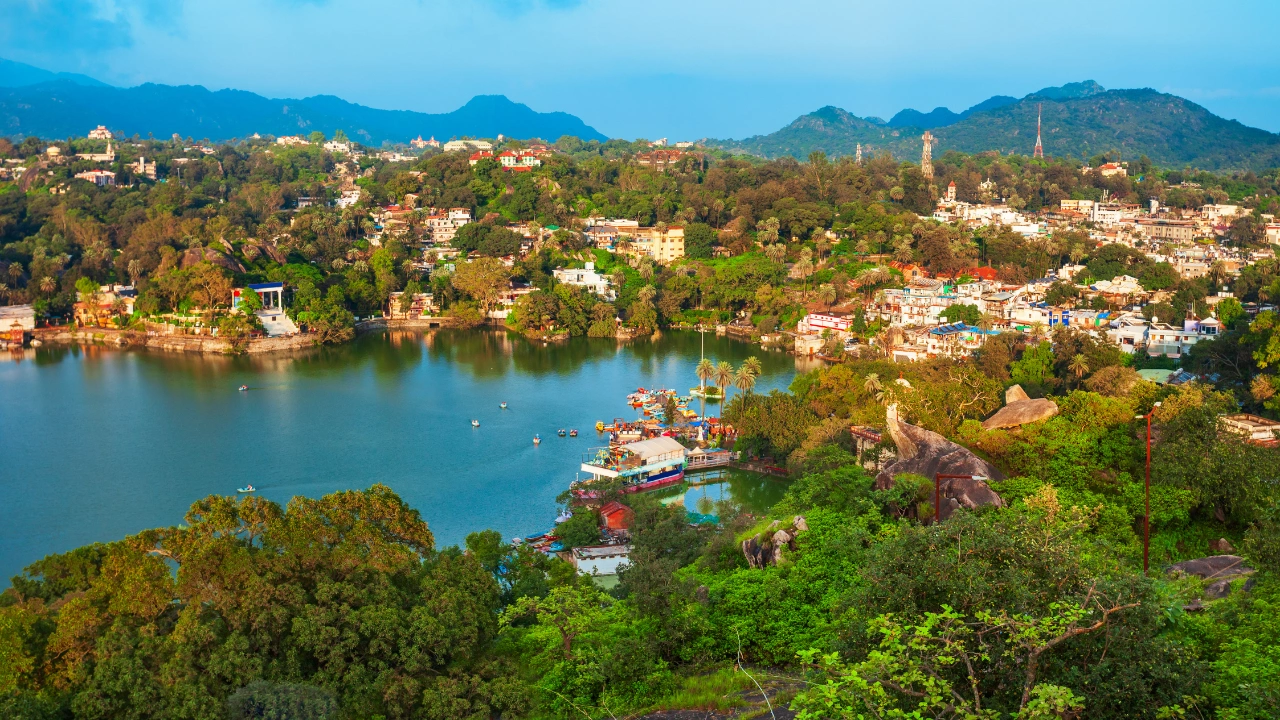
By late April, most of the plains in North India start feeling like an oven with the door left open. That's usually the point where people begin scrolling through photos of pine forests and mountain fog, wondering how soon they can get out of the city. If you've been doing exactly that, you're not alone, and the good news is that North India has more cool, green, high-altitude options than most travelers realize.
This isn't just a list of famous names you've already heard a hundred times. It's a practical look at which hill stations in North India actually suit different kinds of travelers, what makes each one worth the drive, and how to plan a trip that doesn't fall apart the moment you hit peak-season traffic near Kalka or Chandigarh.
There's a reason people keep going back to the same handful of regions every year instead of discovering something new closer to home. The Himalayan foothills genuinely deliver on temperature, often 15 to 20 degrees cooler than Delhi or Jaipur in May and June. That difference alone changes how a vacation feels. You can actually walk around at noon instead of hiding indoors until sunset.
Beyond the weather, these towns carry a mix of colonial-era charm, local mountain culture, and genuinely dramatic scenery that's hard to find packaged together anywhere else in the country. Whether you're chasing a quiet reading-by-the-fireplace kind of trip or something with more adrenaline, there's a spot suited for every kind of summer getaway in North India.
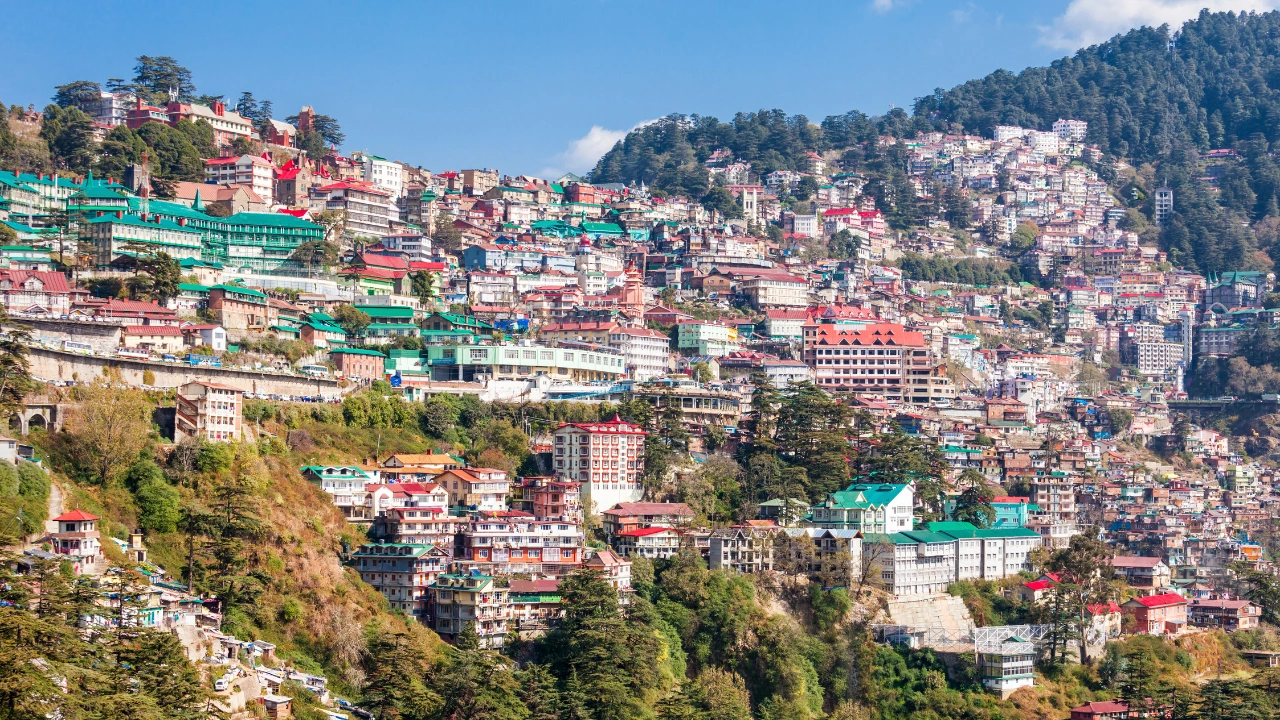
Shimla remains the go-to answer for a reason. As the former summer capital of British India, it still carries that old-world layout, narrow lanes, timber-framed buildings, and a Mall Road that's genuinely fun to walk even without a destination in mind. Families like it because everything, from the Ridge to Jakhoo Temple, is within reasonable walking or short-drive distance.
What people often miss is Kufri, just a short trip out of town, which works well if you want a slightly quieter alternative with mountain views that feel less crowded than the town center. Shimla also connects easily by the narrow-gauge toy train from Kalka, which turns the journey itself into part of the trip rather than just a means of getting there.
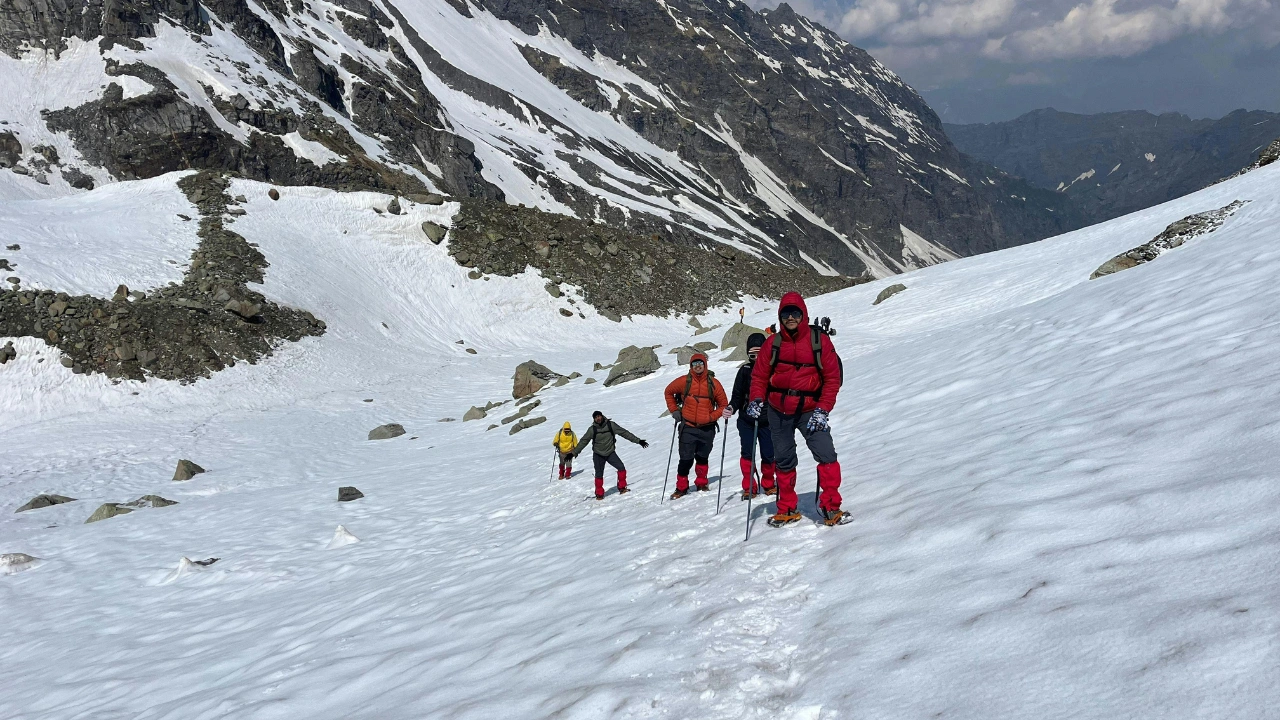
If Shimla is the relaxed cousin, Manali is the one who shows up with hiking boots and a paragliding harness. Solang Valley draws crowds for zorbing and paragliding, while Rohtang Pass, weather and permits permitting, gives you actual snow well into early summer, which is a strange and fun contrast when you left home in 40-degree heat.
Old Manali has its own separate personality entirely, cafes, a slower pace, and a younger backpacker crowd that gives the whole area a different energy after sunset. For travelers who want both structured sightseeing and some unplanned wandering, Manali tends to satisfy both instincts in the same trip.
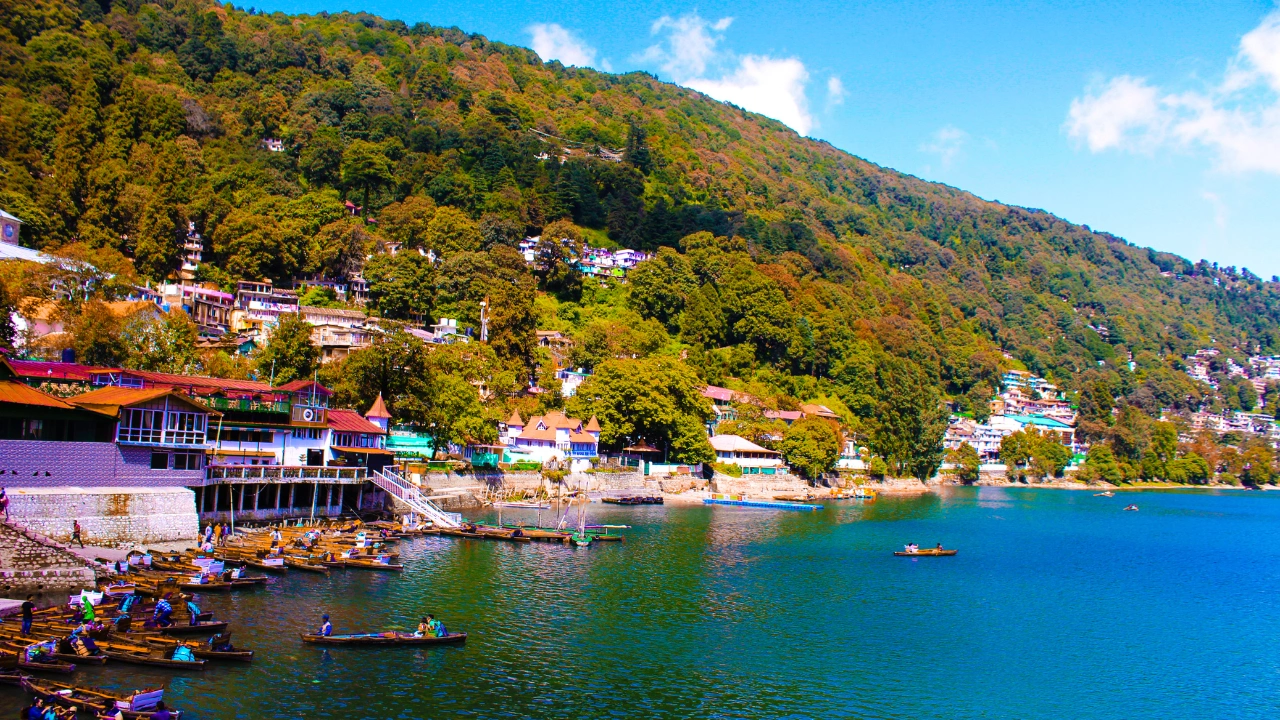
Nainital gets its name and its charm from Naini Lake, a genuinely striking body of water sitting right in the middle of town. Boating here isn't just a tourist checkbox; it's one of the more relaxing ways to spend an evening anywhere in the Kumaon hills. Naina Devi Temple sits close by, and the Snow View Point cable car gives a wide panorama on a clear day.
What makes Nainital worth extending your stay for is the cluster of nearby lakes, Bhimtal, Sattal, and Naukuchiatal, each quieter and less commercial than the main town. If your idea of a summer escape leans toward slow mornings and still water rather than adrenaline, this region rewards a slower itinerary.
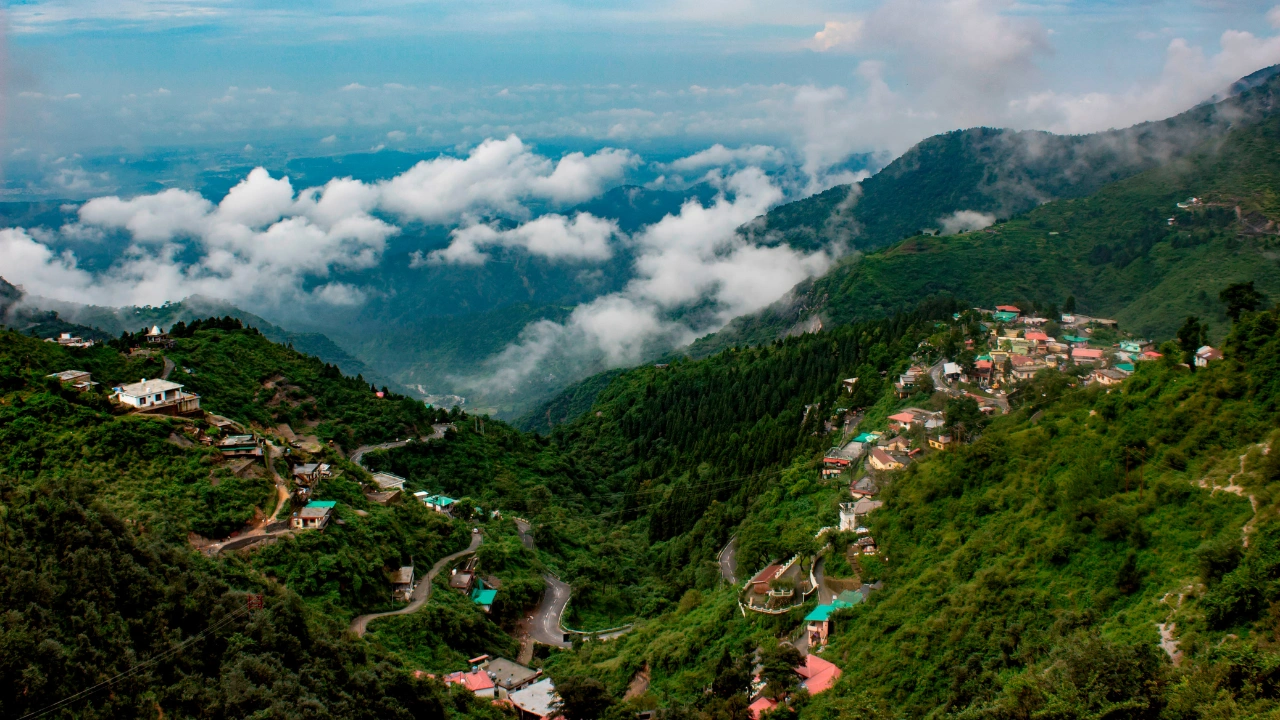
Mussoorie earns its popularity mostly through convenience. It sits close enough to Dehradun that even a short weekend trip feels worthwhile, without the long drive that some of the other hill stations demand. Kempty Falls and Camel's Back Road are the obvious stops, but the town's real appeal is how walkable and unhurried it feels compared to bigger hill towns.
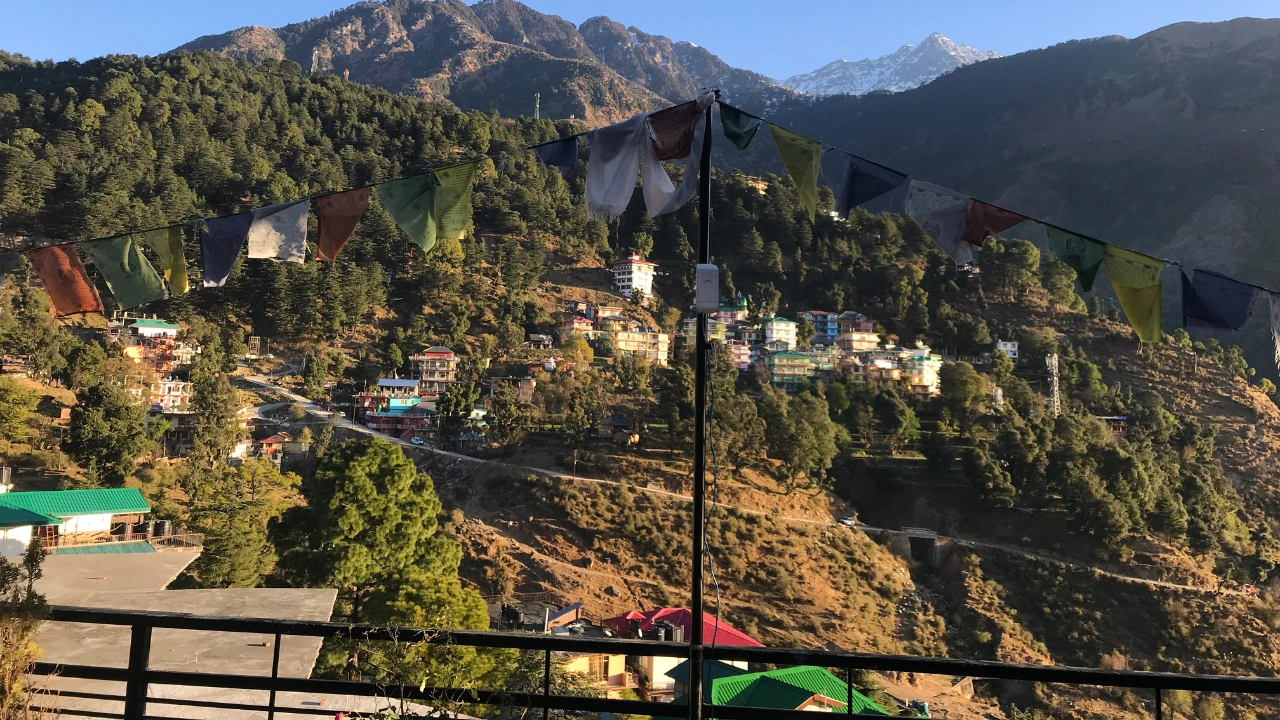
This pairing offers something the others don't: a genuinely distinct cultural atmosphere shaped by the Tibetan community and monasteries settled here. Triund trek draws hikers looking for a moderate but rewarding climb, while McLeodganj itself has a laid-back, almost international feel with its cafes and prayer flags strung across every alley. It's a good fit for travelers who want their mountain trip to feel reflective rather than packed with activity.
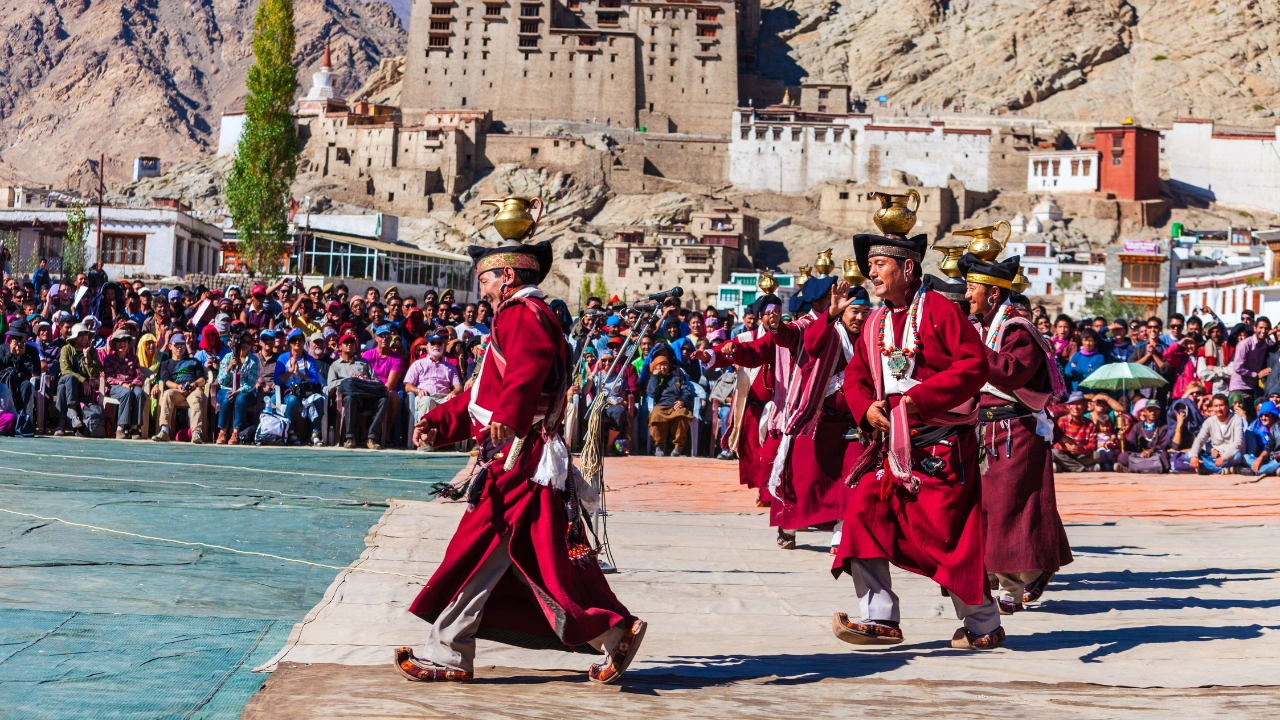
Not every hill station fits neatly into the "cool relief from summer" category, and Gulmarg and Ladakh are proof of that. Gulmarg's meadows turn into a wildflower carpet by early summer, and the gondola ride remains one of the more memorable cable car experiences in the country. Ladakh, meanwhile, is less a hill station and more a full high-altitude expedition, stark landscapes, Pangong Lake, and monasteries that feel centuries removed from anywhere else on this list. These destinations need more planning, including acclimatization and permits in some cases, but reward travelers looking for something well beyond the usual.
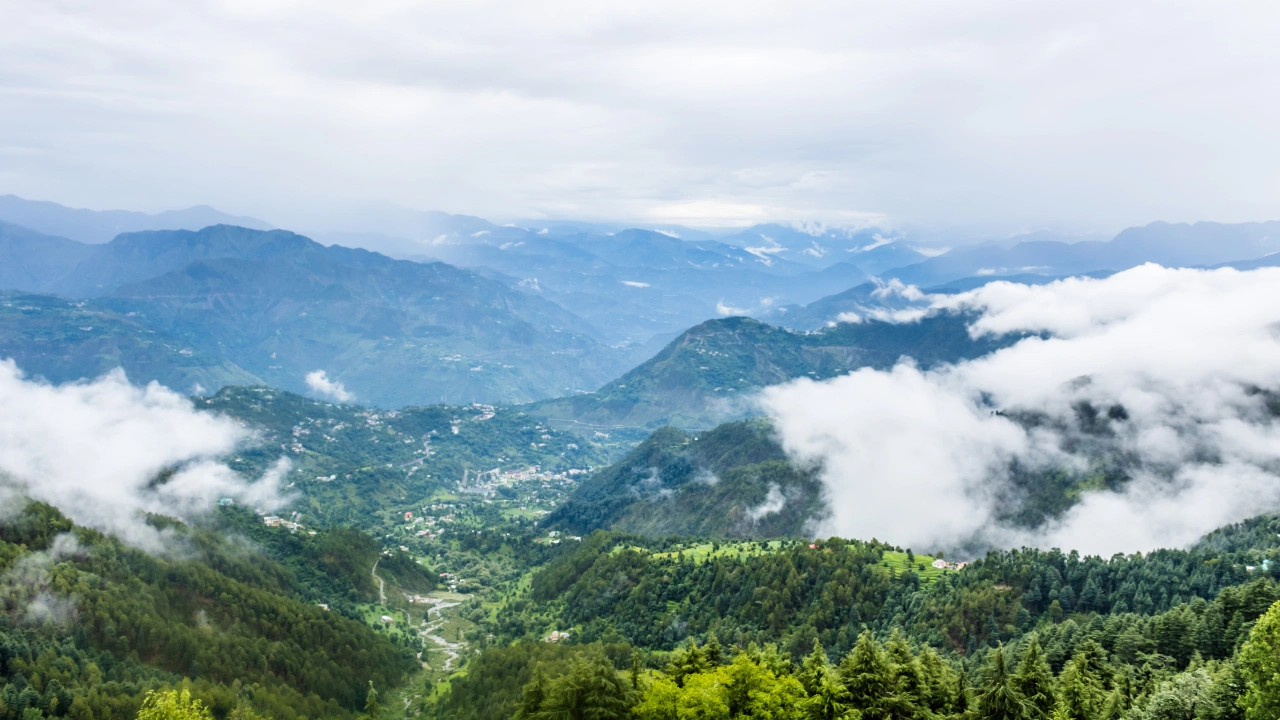
If Shimla and Manali sound too crowded for your taste, Dalhousie and Kasauli are worth serious consideration. Dalhousie's pine-covered slopes and the nearby meadows of Khajjiar give it a distinctly calmer, greener feel. Kasauli, a small cantonment town, is smaller still, quiet lanes, colonial churches, and none of the traffic jams that plague the bigger names during peak season. Both are excellent choices if what you actually want from your trip is rest, not another checklist of attractions.
The biggest mistake people make with hill station trips is trying to cram too many towns into too few days. Mountain roads are slower than they look on a map, and travel time between hill stations often gets underestimated. A more realistic pace lets you actually enjoy a place instead of spending most of your trip in transit.
For most first-time travelers, combining two or three hill stations with a base in Delhi or Chandigarh works better than an ambitious circuit. This is exactly where well-structured North India tour packages make a genuine difference, they account for road conditions, seasonal crowd patterns, and realistic drive times so you're not guessing your way through unfamiliar mountain routes.
If you're building your own itinerary, keep these practical points in mind:
Rather than picking a hill station because it's popular, it helps to match the destination to what you're actually looking for. Families with young children usually do best in Shimla, Nainital, or Mussoorie, where distances are short and infrastructure is solid. Couples looking for quieter time together tend to prefer Kasauli, Dalhousie, or the smaller lakes near Nainital. Adventure travelers gravitate toward Manali and Ladakh, while anyone chasing a spiritual or reflective trip usually finds what they're after in Dharamshala.
North India's hill stations don't just offer an escape from the heat, they offer genuinely different experiences depending on where you go and how you plan the trip. The mountains here reward travelers who take a little time to think through their route instead of just picking the most photographed name on a list.
Whether you're drawn to Shimla's old-world charm, Manali's adrenaline, or the quiet lakes around Nainital, the summer months are the right window to make it happen. And if the planning part feels like the hardest step, that's usually where working with a travel partner who knows these routes well saves you the most time and stress.
Which hill station in North India is best for families with kids?
Shimla, Nainital, and Mussoorie are the easiest for families because distances between attractions are short and basic infrastructure, hospitals, cafes, and family-friendly stays, is well established.
Which hill station is best for adventure activities?
Manali leads for paragliding, zorbing, and trekking, while Ladakh suits travelers looking for a bigger, more remote adventure involving high mountain passes and multi-day treks.
What is the best time to visit North Indian hill stations for summer relief?
Late April through June is peak season for escaping the heat, since temperatures in the hills stay noticeably cooler than the plains during this window.
Can I see snow in North India during summer?
Yes, in some spots. Rohtang Pass near Manali and parts of Gulmarg can hold patches of snow into early summer, depending on the year's weather patterns.
Which hill stations are less crowded than Shimla and Manali?
Kasauli, Dalhousie, and the smaller lakes around Nainital like Bhimtal and Sattal see far fewer tourists while still offering similar scenery and cooler weather.
Is Ladakh safe and accessible during summer months?
Summer is actually the ideal season for Ladakh, since mountain passes that stay closed in winter are open, and road conditions are generally stable from June through September.
How many days should I plan for a hill station trip in North India?
A realistic trip covering two to three hill stations usually needs at least seven to ten days, factoring in travel time between destinations rather than rushing between towns.
Are North India hill stations good for a honeymoon?
Yes, Manali, Nainital, and Mussoorie are popular honeymoon choices thanks to scenic views, cozy stays, and a good mix of relaxed and adventurous activities for couples.
What should I pack for a summer trip to the hills?
Light layers work best, a jacket or sweater for cool evenings, comfortable walking shoes, sunscreen, and a reusable water bottle, since altitude and sun exposure can still catch travelers off guard.
Is it better to book a guided tour or travel independently to these hill stations?
Independent travel offers more flexibility, but a guided trip or well-planned package tends to save time and avoid common mistakes like underestimating road travel time, especially for first-time visitors unfamiliar with mountain routes.

Your email address will not be published. Required fields are marked *
Recent Post










0 Comments