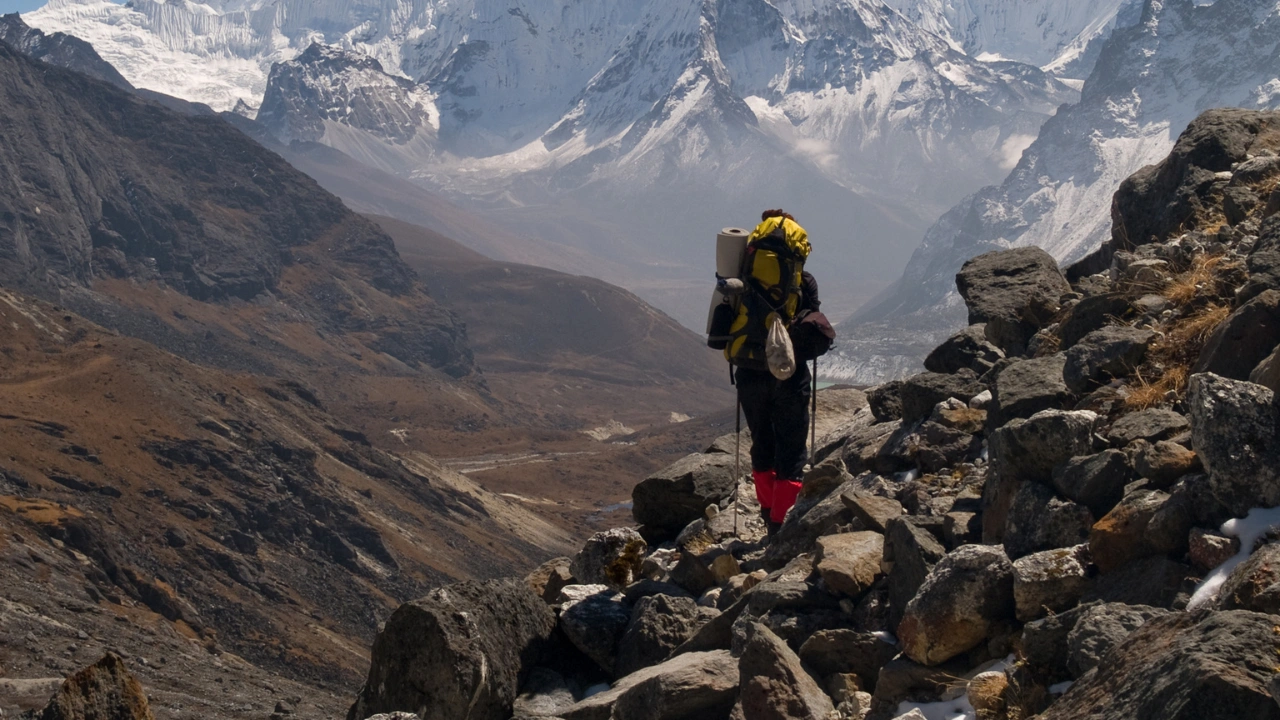
If your idea of trekking in India starts and ends with Instagram reels of impossibly turquoise lakes and cloud-wrapped peaks, here's the good news: you don't need to be a mountaineer to stand in those photos yourself. India's Himalayan belt — stretching from Kashmir in the north to the lesser-known hills of Nagaland in the northeast — is full of trails that are short enough, well-marked enough, and gentle enough on the lungs for a first-time trekker from sea level (yes, even someone flying in from New York or Los Angeles) to complete comfortably with a little preparation.
Below are seven treks that consistently top "most beautiful trek in India" lists, along with everything a first-time international trekker actually needs to know: altitude, difficulty, how to get there, what to pack, and the exact months when the trail looks its absolute best.
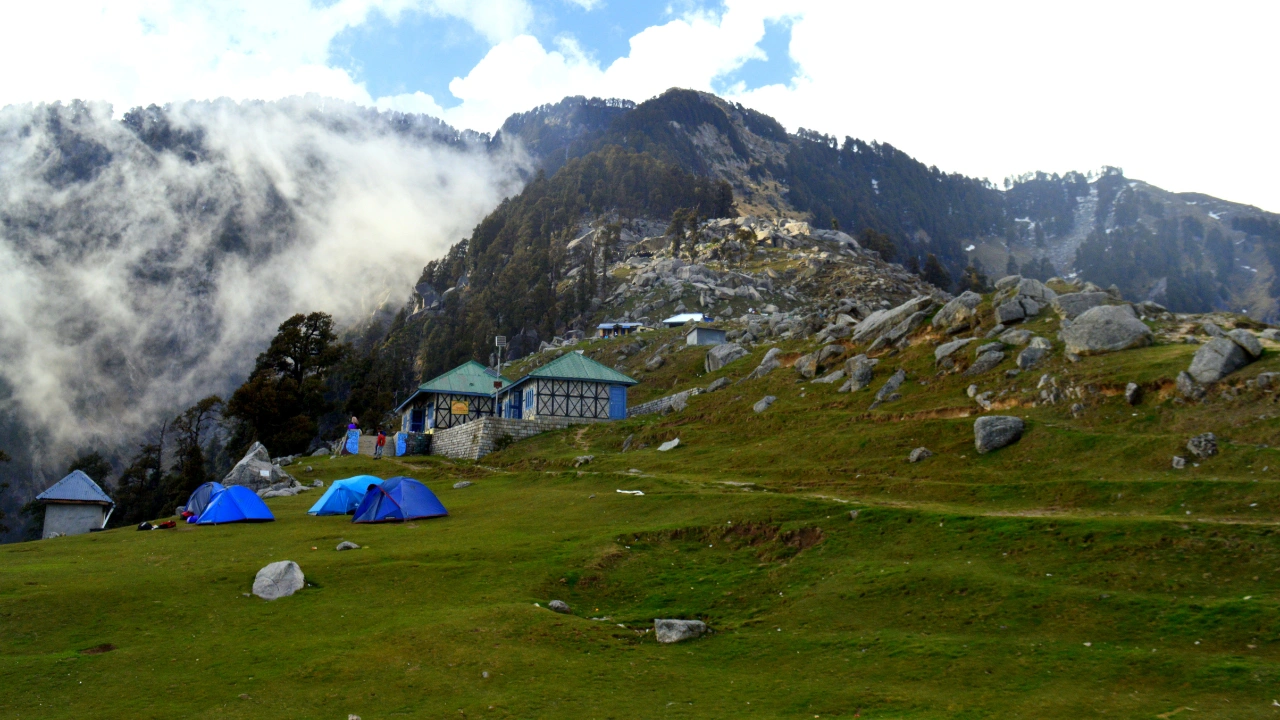
Best for: absolute first-timers who want a real Himalayan view without a real Himalayan commitment.
|
Altitude |
2,875 m (9,436 ft) |
|
Duration |
1–2 days (can be done as a day hike or overnight camp) |
|
Distance |
~9 km one way from McLeodganj |
|
Difficulty |
Easy |
|
Nearest Base |
McLeodganj, near Dharamshala |
|
Best Months |
March–June and September–December |
Triund sits on a ridge directly facing the snow-capped Dhauladhar range, and the payoff-to-effort ratio is hard to beat: a single day of walking through oak and rhododendron forest delivers a 360-degree panorama that would normally take a week to earn. It's become one of the most-photographed viewpoints in North India, especially at sunrise when the peaks turn pink and gold.
Fly into Delhi and take a connecting flight to Dharamshala (Gaggal Airport), or book an overnight Volvo bus from Delhi to McLeodganj (about 10–12 hours). From McLeodganj, the trailhead is a short taxi ride away, and the trek itself is well-marked with tea stalls along the route — you're never far from a chai break.
Best month to go: April or October, when skies are clearest and the Dhauladhar peaks are still snow-dusted.
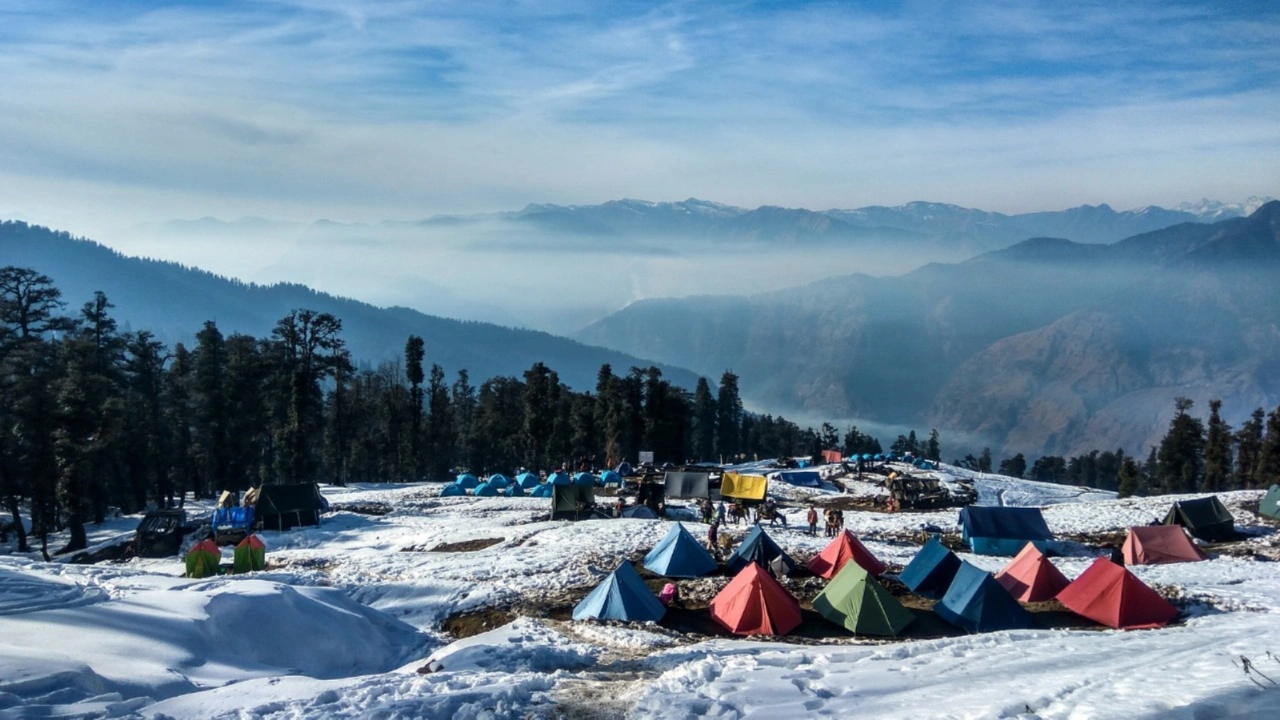
Best for: trekkers who want a genuine snow-trekking experience without technical climbing skills.
|
Altitude |
3,810 m (12,500 ft) at the summit |
|
Duration |
5–6 days |
|
Distance |
~20 km round trip |
|
Difficulty |
Easy–Moderate |
|
Nearest Base |
Sankri village, Govind Wildlife Sanctuary |
|
Best Months |
December–April (peak snow season) |
Kedarkantha is routinely called India's best winter trek for beginners, and the summit view explains why: an unbroken 360-degree sweep of snow peaks including Swargarohini, Bandarpoonch, and Kalanag. The trail passes through pine forests, meadows buried in snow, and a genuinely magical campsite at Juda Ka Talab, a frozen alpine lake.
Fly into Dehradun (Jolly Grant Airport) from Delhi, then travel by road to Sankri — roughly 9–10 hours, usually broken up with an overnight stop in Dehradun or Mussoorie. Most tour operators arrange this transfer as part of the package.
Best month to go: January, for the deepest, most photogenic snow cover — just be ready for sub-zero nights.
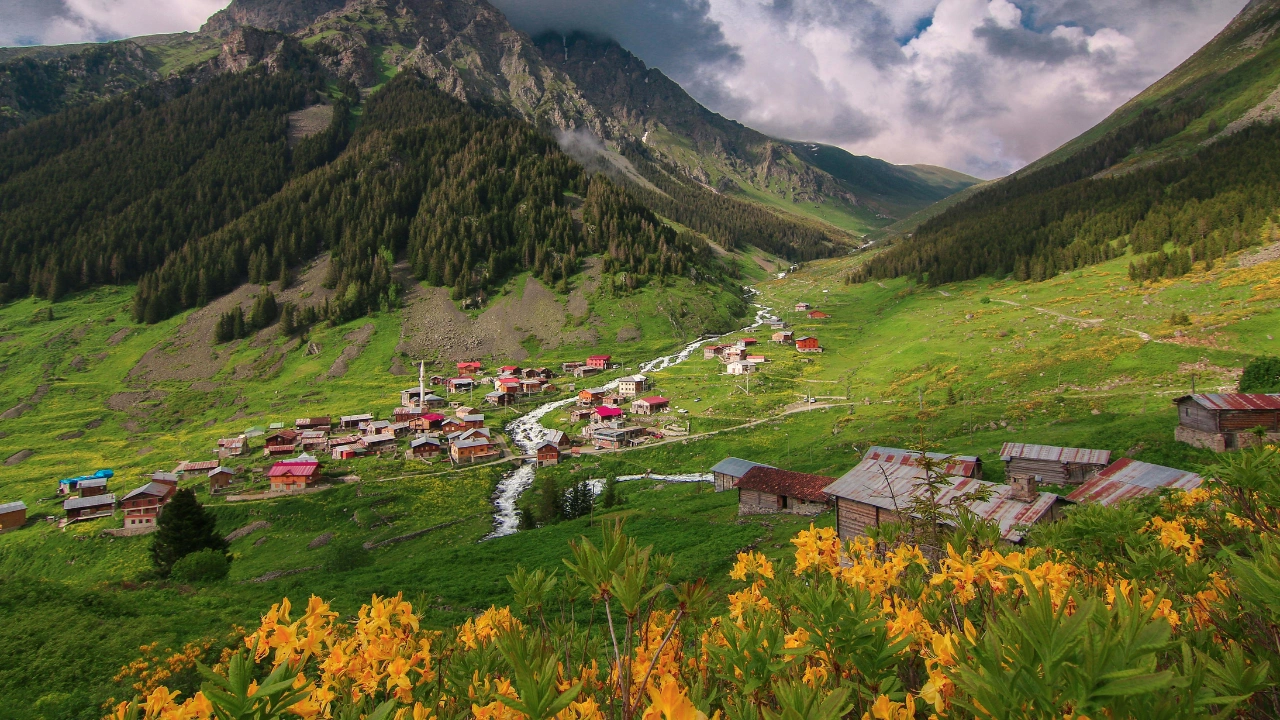
Best for: nature lovers and photographers chasing color rather than summits.
|
Altitude |
3,658 m (12,000 ft) |
|
Duration |
6 days (including a side trip to Hemkund Sahib) |
|
Distance |
~38 km round trip |
|
Difficulty |
Easy–Moderate |
|
Nearest Base |
Govindghat / Ghangaria |
|
Best Months |
July–September (bloom season) |
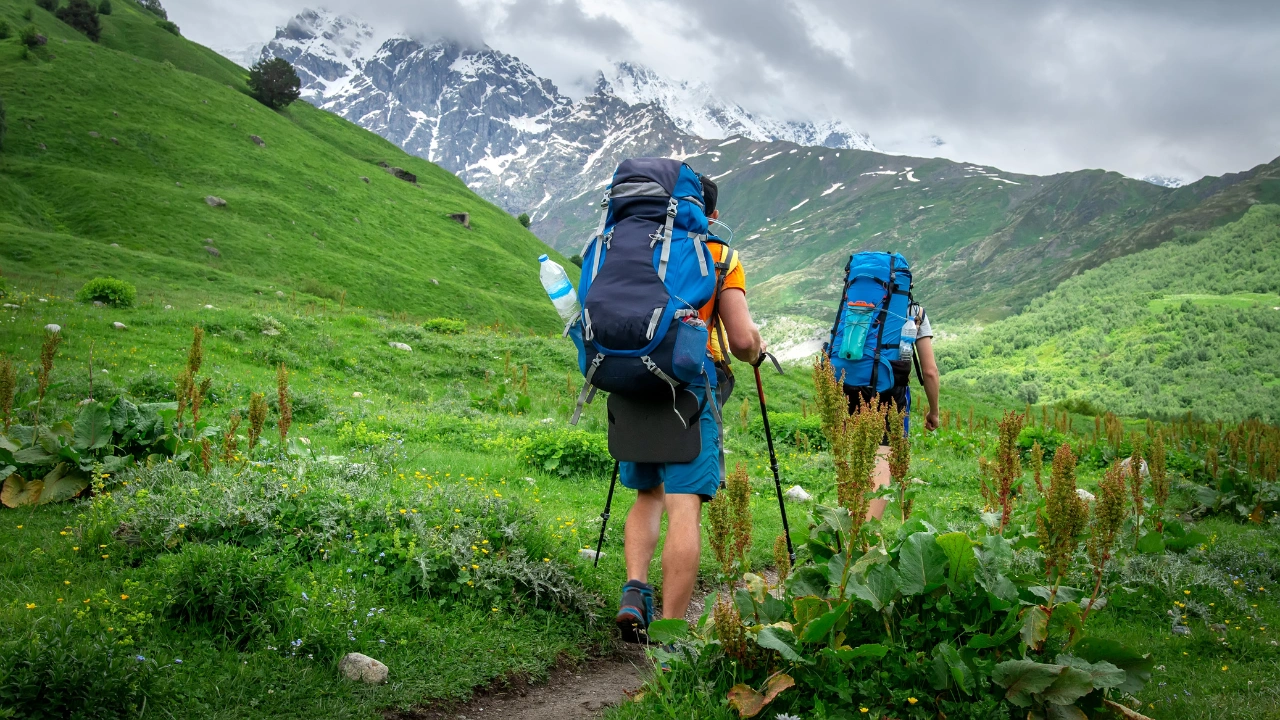
This UNESCO World Heritage Site is a high-altitude valley that turns into a natural flower carpet every monsoon, with hundreds of species — including rare Himalayan blue poppies and orchids — blooming in a tight window each year. British mountaineer Frank Smythe stumbled onto the valley in 1931 and wrote a book about it that put it on the world map. It remains one of the very few treks where the destination is a botanical wonder rather than a peak.
Fly into Dehradun, then travel by road to Govindghat (about 10 hours, usually split over two days via Rishikesh or Joshimath). From Govindghat, a 13 km trek leads to the base village of Ghangaria, from where the Valley of Flowers is a further 3–4 km walk.
Best month to go: early-to-mid August, generally considered the peak of the bloom.
Best for: travelers who want the beauty of a Himalayan trek without the crowds — this one is still refreshingly undiscovered by international visitors.
|
Altitude |
2,452 m (8,046 ft) |
|
Duration |
2–3 days |
|
Distance |
~15 km round trip |
|
Difficulty |
Easy–Moderate |
|
Nearest Base |
Kohima, Nagaland |
|
Best Months |
June–September (Dzukou lily bloom) or October–December (dry season) |
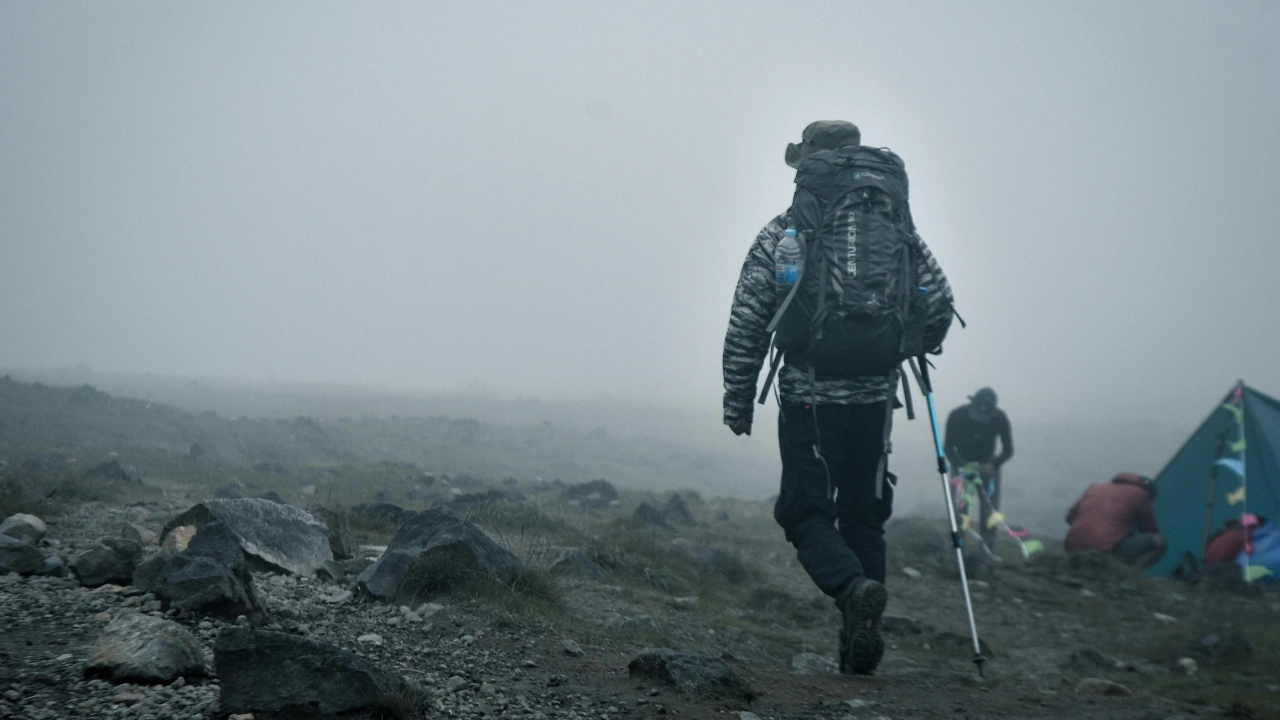
Often called "the Valley of Flowers of the Northeast," Dzukou is a rolling green valley on the Nagaland–Manipur border, home to the Dzukou lily — a flower found nowhere else on Earth. The landscape looks almost otherworldly: soft, rounded hills covered in short grass, with none of the jagged granite associated with typical Himalayan scenery. It's an entirely different visual experience from the northern treks on this list.
Fly into Dimapur, Nagaland's main airport, then drive roughly 3 hours to Kohima. From Kohima, a short drive brings you to the trailhead at Zakhama or Viswema village, and the climb to the valley rim takes about 3–4 hours.
Best month to go: late June, right as the Dzukou lilies begin to bloom.
Best for: a genuine Himalayan summit on a tight schedule — this is the easiest weekend trek on the list.
|
Altitude |
3,022 m (9,915 ft) |
|
Duration |
2 days / 1 night |
|
Distance |
~15 km round trip |
|
Difficulty |
Easy |
|
Nearest Base |
Pantwari village, near Mussoorie |
|
Best Months |
October–February (snow) and March–June (greenery) |
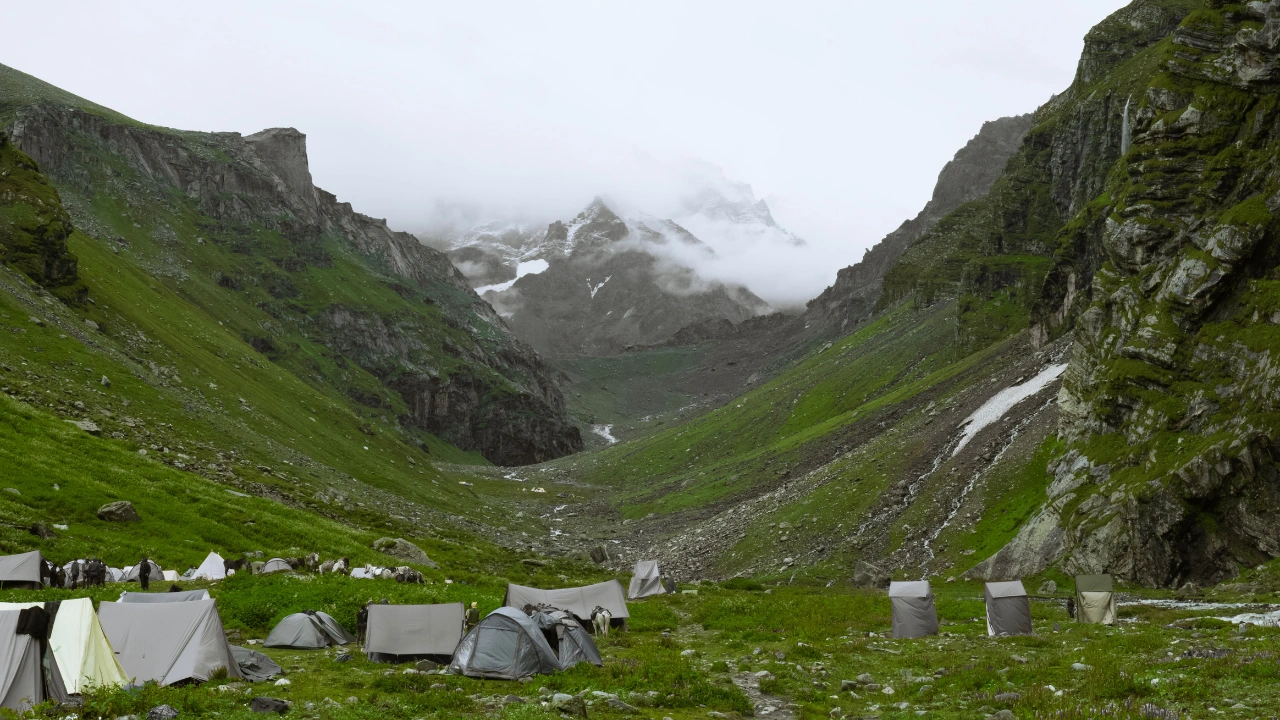
Nicknamed "Serpent's Peak," Nag Tibba is the highest point in its mountain range and one of the few places where a first-time trekker can genuinely summit a Himalayan peak in a single weekend. From the top, the view stretches across the Bandarpoonch, Kedarnath, and Gangotri ranges — a payoff that normally requires far more time and altitude gain elsewhere on this list.
Fly into Dehradun, then drive roughly 3 hours to the trailhead village of Pantwari via Mussoorie. Because it's so close to Dehradun, this is a popular add-on for travelers combining a Himalayan trek with the Golden Triangle or a Rishikesh stop.
Best month to go: December, for a snow-capped summit without the deep-winter extremes of Kedarkantha.
Best for: photographers who want two completely different landscapes on a single trek.
|
Altitude |
4,270 m (14,100 ft) at the pass |
|
Duration |
4–5 days |
|
Distance |
~35 km round trip |
|
Difficulty |
Moderate |
|
Nearest Base |
Manali, Himachal Pradesh |
|
Best Months |
Mid-June–September |
Hampta Pass is famous for its dramatic contrast: the trail begins in the lush, green Kullu Valley, thick with pine forest and grazing pastures, then crosses a high pass into the stark, brown, desert-like landscape of Lahaul. Crossing from one climate zone to a completely different one in the space of a single day is what makes this trek so visually striking — and many trekkers extend the trip to include the turquoise Chandratal Lake nearby.
Fly into Bhuntar Airport near Kullu, or take an overnight Volvo bus from Delhi to Manali (about 12–14 hours). The trailhead begins near the village of Jobra, a short drive from Manali.
Best month to go: mid-July, when the valley is at its greenest and wildflowers are in bloom.
Best for: trekkers who want the single most photographed trek in India — a chain of high-altitude alpine lakes in one trip.
|
Altitude |
4,191 m (13,750 ft) at Gadsar Pass, the highest point |
|
Duration |
7–8 days |
|
Distance |
~72 km |
|
Difficulty |
Moderate |
|
Nearest Base |
Sonamarg, Jammu & Kashmir |
|
Best Months |
July–September |
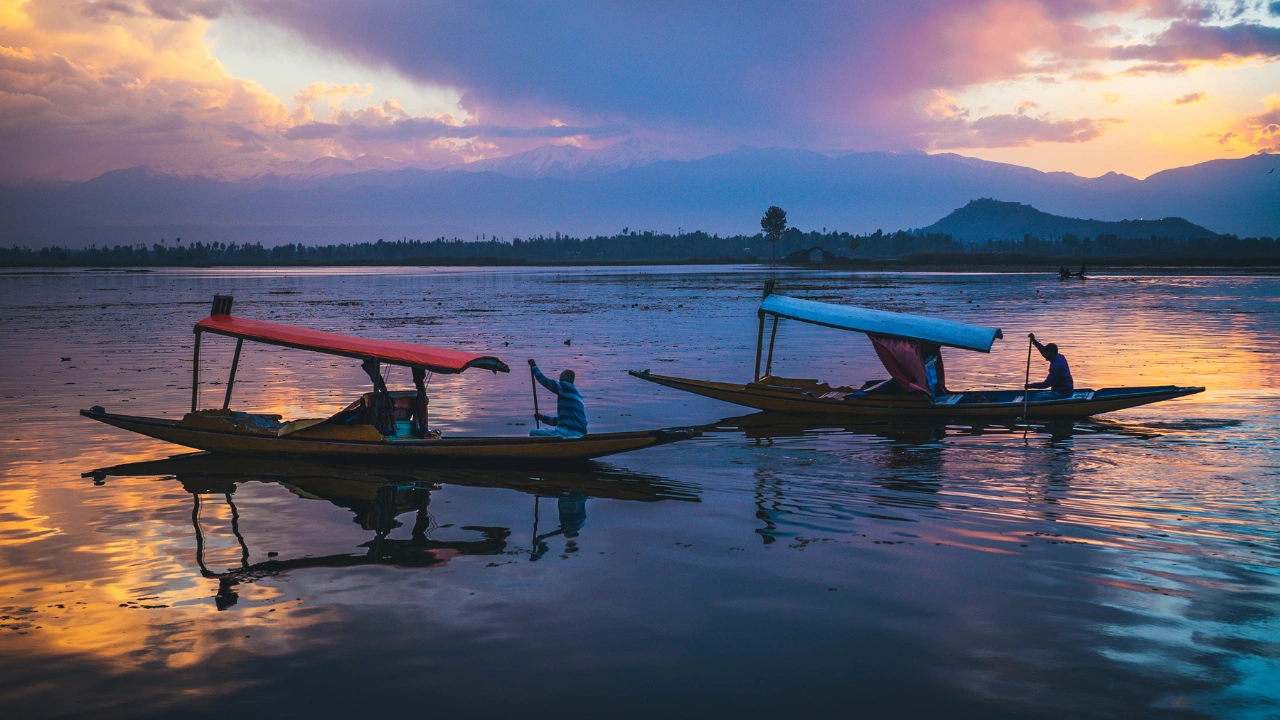
This trek links a series of high-altitude lakes — Vishansar, Kishansar, Gadsar, Satsar, and Gangbal — each a different, almost impossible shade of blue and green, set against snow-streaked peaks and open alpine meadows. It's frequently ranked among the most beautiful treks in the world, not just in India, and it's the trek most likely to produce the exact photos that first got you interested in Himalayan trekking in the first place.
Fly into Srinagar, then drive roughly 3 hours to the trailhead at Sonamarg. The trek finishes at Naranag, from where a short drive returns you to Srinagar — making this an easy loop to plan around a Kashmir sightseeing trip.
Best month to go: August, when all the lakes are free of ice and fully visible.
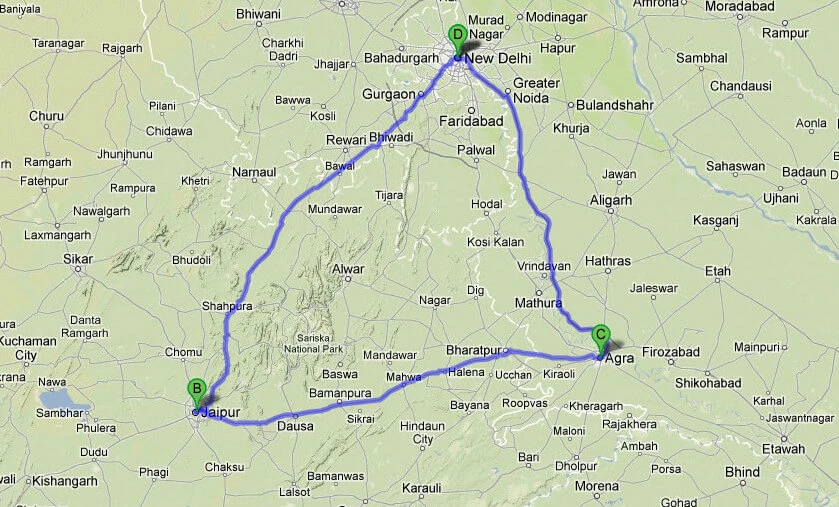
All seven of these treks are genuinely achievable for a reasonably fit first-timer, but altitude, permits, and local logistics are easier to navigate with an experienced local operator — especially if you're arriving from sea level and have a limited number of vacation days to work with. Maharaja Trails can build a custom itinerary that combines any of these treks with a cultural leg of your trip, such as the Golden Triangle (Delhi–Agra–Jaipur) or a Kashmir houseboat stay, so your adventure days and your sightseeing days fit into one seamless trip.
Ready to turn one of these views into your own photo? Get in touch with Maharaja Trails to start planning a custom Himalayan trekking itinerary.
Do I need previous trekking experience to do any of these treks?
No. Triund and Nag Tibba are specifically suited to complete beginners with no prior trekking experience. Kedarkantha, Valley of Flowers, and Dzukou Valley are beginner-friendly as long as you arrive reasonably fit. Hampta Pass and Kashmir Great Lakes are rated moderate and are best attempted after you've completed at least one shorter trek, or with a guided group that can pace the trek for you.
What is the biggest risk for a first-time trekker from the USA?
Altitude sickness is the most common issue, since most of these trails climb above 3,000 metres and many American trekkers are arriving from near sea level. The best prevention is a gradual ascent schedule (which all the itineraries above are built around), staying well hydrated, and spending a day acclimatizing in a nearby town before starting the trek.
Do I need a permit to trek in India?
Some routes do require permits, particularly in border-sensitive areas. Valley of Flowers requires an Indian National Park entry permit, and Kashmir treks may require an Inner Line Permit depending on the exact route. A local tour operator typically arranges these on your behalf as part of the package.
Is it safe to trek in India as a solo traveler or solo female traveler?
Yes, particularly on the well-established routes covered here, which see regular trekking traffic and have organized base camps. Joining a guided group is the safest option for solo travelers of any gender, since it provides a support crew, a fixed itinerary, and other trekkers to share the experience with.
What's the difference between a 'guided' trek and an 'independent' trek?
A guided trek includes a local guide, porters or pack animals for gear, pre-arranged camping or accommodation, and meals — essentially removing the logistical planning. An independent trek means arranging all of this yourself, which is considerably harder in India due to permit requirements, language barriers in remote areas, and the need for local knowledge of trail conditions.
How physically fit do I need to be?
For Triund, Nag Tibba, and Dzukou Valley, the ability to walk 8–10 km on uneven terrain over several hours is sufficient. For Kedarkantha, Valley of Flowers, Hampta Pass, and Kashmir Great Lakes, a base level of cardiovascular fitness is recommended — ideally the ability to hike or run continuously for 45–60 minutes at least a few weeks before departure.
Can I combine a Himalayan trek with a more traditional India sightseeing trip?
Yes, and this is one of the most popular ways international travelers structure their India trip. A common combination is a Golden Triangle tour (Delhi, Agra, Jaipur) followed by a trek in Himachal Pradesh or Uttarakhand, since both regions are a short flight or overnight drive from Delhi.
What is the best month overall to trek in the Indian Himalayas?
It depends on the specific trek. Snow treks like Kedarkantha peak in January, monsoon-bloom treks like Valley of Flowers and Dzukou Valley peak between July and September, and high-altitude lake and pass treks like Hampta Pass and Kashmir Great Lakes are best from mid-June through September, once the snow has cleared from the higher passes.
Do I need travel insurance for trekking in India?
Yes, and it's strongly recommended that your policy specifically covers high-altitude trekking (usually anything above 3,000–4,000 metres), as standard travel insurance policies often exclude this activity or cap coverage well below the altitudes reached on treks like Kedarkantha or Kashmir Great Lakes.
Should I book a trek independently or through a local tour operator?
For a first Himalayan trek, booking through a local, government-recognized operator is generally the safer and less stressful option. It removes the guesswork around permits, altitude acclimatization schedules, and gear rental, and it means you have a dedicated point of contact if plans need to change due to weather — which is common in the mountains.
Your email address will not be published. Required fields are marked *
Recent Post








0 Comments